
A Comprehensive Guide to the Types of Reflective Strips in Clothing
author: Lemon Lin
2024-12-13
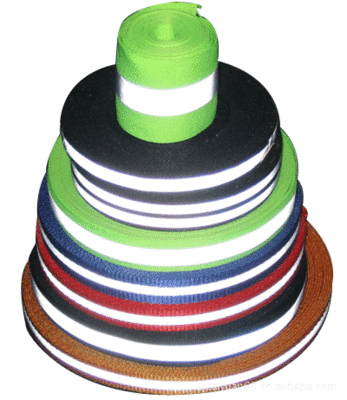
1. Reflective Tape
Reflective tape is a versatile material that can be easily attached to various garments. It is made from a reflective material that bounces light back, creating a bright, visible glow. This type of tape is often used in reflective vests, jackets, and other clothing items designed for nighttime or low-light use.
2. Reflective Webbing (or Piping)
Reflective webbing, also known as reflective piping, is a woven material that incorporates reflective fibers. It is sturdy and durable, making it ideal for use in clothing that requires frequent washing and wear. Reflective webbing can be seen in reflective workwear, such as construction vests and safety jackets, where it provides both visibility and durability.
3. Reflective Crystal Grid Strips
Reflective crystal grid strips are characterized by their intricate grid pattern, which is embedded with tiny reflective crystals. These crystals capture and reflect light, creating a striking visual effect. This type of strip is often used in high-visibility clothing, such as cycling jerseys and running jackets, to ensure that the wearer is easily spotted by others.
4. Reflective Fabric Strips
Reflective fabric strips are made from a specialized fabric that is inherently reflective. This fabric is woven with reflective threads or coated with a reflective material. Reflective fabric strips are highly adaptable and can be integrated into various clothing designs, from casual wear to professional attire.
5. Applications and Importance
Reflective strips are widely used in clothing for a variety of reasons. In work environments where visibility is critical, such as construction sites and roadwork zones, reflective clothing can help prevent accidents by making workers more visible to passing vehicles. Additionally, reflective strips are commonly found in sportswear and outdoor clothing, where they enhance the wearer's visibility in low-light conditions.
Moreover, the growing trend of incorporating reflective elements into fashion clothing has led to an increase in the demand for reflective strips. Designers are utilizing these strips to create unique and stylish clothing that not only looks great but also provides a layer of safety.
Conclusion
Reflective strips play a vital role in enhancing visibility and safety in clothing. With a variety of types available, from reflective tape to reflective fabric strips, there is a solution to fit every need. Whether you're looking for high-visibility workwear, stylish sportswear, or fashion-forward casual wear, incorporating reflective strips into your clothing can make a significant difference in your safety and visibility.
Merry Christmas! Warm Greetings from Sherason
The Advantage of Tricot Fabric
Related Article

"Maintains Level 4 water repellency even after 10 washes." For consumers, this is both a quality promise and a technical mystery—how is such lasting waterproof performance achieved? This article delves into the technical principles and key processes behind it.
How Can Waterproof Fabric Maintain Level 4 Water Repellency After 10 Washes?
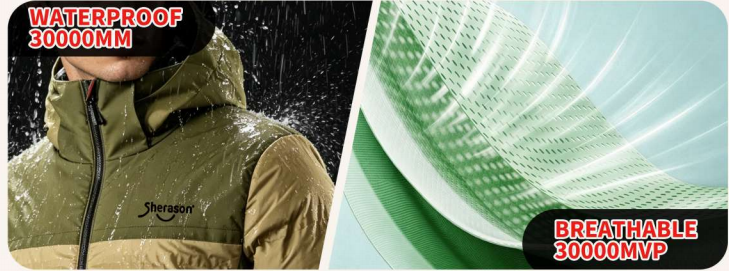
Our advanced materials deliver up to 30K waterproof and 30K breathable performance, ensuring maximum protection from rain, snow, and wind while maintaining superior comfort and moisture control
Premium Men’s Ski Jacket – Built for Extreme Winter Performance
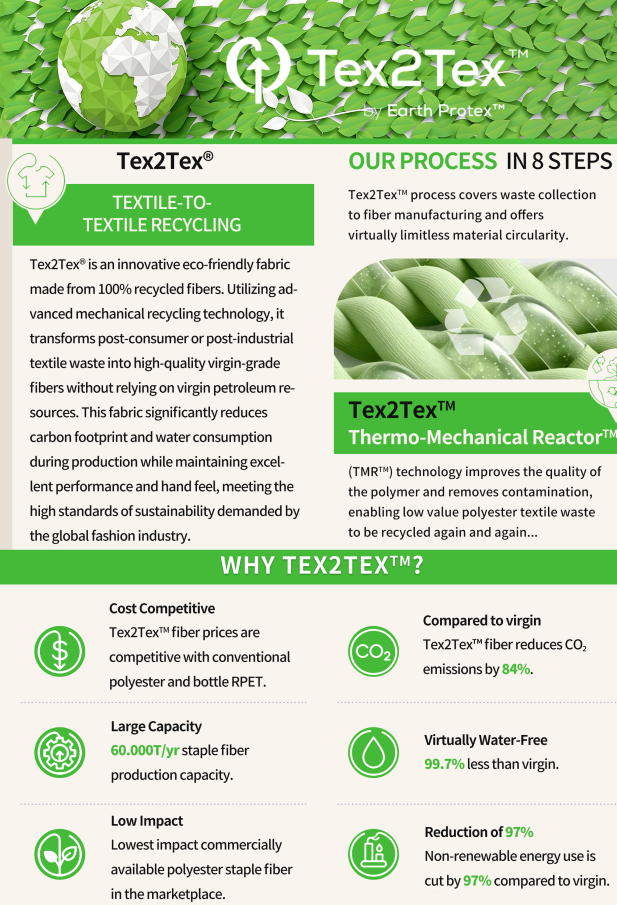
The fashion industry is at a crossroads. On one hand, demand for sustainable materials has never been higher. On the other, textile waste continues to pile up, with only a fraction being truly recycled into new garments.
Tex2Tex™: Closing the Loop on Textile Waste – Without Compromising on Quality or Cost

While bottle-based RPET was the first step, Textile-to-Textile (T2T) recycling represents the true "closed-loop" future. By transforming garment waste back into high-performance fibers, we offer a solution that cuts $CO_{2}$ by 84% without compromising the technical integrity of 2.5L/3L waterproof jackets.
The Next Evolution: From Recycling to Circularity