
Introducing The Powerful WATER-REPELLENT BIONIC-FINISH® ECO With Fluorine-free Impregnation
author: Cherry Chen
2024-01-13
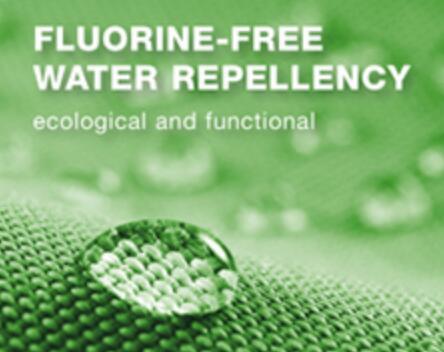
Reach (Registration, Evaluation, Authorization, and Restriction of Chemicals) is a regulation enforced by the European Union to ensure the safe use of chemicals within the EU, including in consumer products such as clothing.
PFAS, or Per- and polyfluoroalkyl substances, are a group of chemical compounds commonly used in waterproof fabrics due to their water and stain-resistant properties.
the European Chemicals Agency (ECHA) is presently conducting a public consultation on restricting the use of PFAS in various applications, including textiles.
If the proposed restriction is implemented, it will impose a limit of 1 µg/m2 for the sum of PFHxA, PFOA, PFOS, and their salts and precursors in textiles intended for consumer use or professional use where there is a risk of exposure to the substances.
The Reach PFAS limit requirement for waterproof jacket fabrics means that the fabrics used in waterproof jackets must not exceed certain levels of PFAS chemical compounds.
The limit is set to protect human health and the environment, as PFAS have been linked to several health concerns, such as cancer, reproductive and developmental disorders, and immune system problems.
Additionally, PFAS are persistent chemicals that do not break down easily and can accumulate in the environment. Therefore, limiting their use and exposure is important for the environment and public health.
Manufacturers of waterproof jacket fabrics must comply with Reach regulations and ensure that their products meet the specified limits for PFAS.
The testing and certification process involves analyzing the composition of the fabric and ensuring that it meets the standards set by Reach.
Compliance with Reach regulations is necessary to ensure that the waterproof jacket fabrics are safe for consumers and the environment.
PFAS, or Per- and polyfluoroalkyl substances, are a group of chemical compounds commonly used in waterproof fabrics due to their water and stain-resistant properties.
the European Chemicals Agency (ECHA) is presently conducting a public consultation on restricting the use of PFAS in various applications, including textiles.
If the proposed restriction is implemented, it will impose a limit of 1 µg/m2 for the sum of PFHxA, PFOA, PFOS, and their salts and precursors in textiles intended for consumer use or professional use where there is a risk of exposure to the substances.
The Reach PFAS limit requirement for waterproof jacket fabrics means that the fabrics used in waterproof jackets must not exceed certain levels of PFAS chemical compounds.
The limit is set to protect human health and the environment, as PFAS have been linked to several health concerns, such as cancer, reproductive and developmental disorders, and immune system problems.
Additionally, PFAS are persistent chemicals that do not break down easily and can accumulate in the environment. Therefore, limiting their use and exposure is important for the environment and public health.
Manufacturers of waterproof jacket fabrics must comply with Reach regulations and ensure that their products meet the specified limits for PFAS.
The testing and certification process involves analyzing the composition of the fabric and ensuring that it meets the standards set by Reach.
Compliance with Reach regulations is necessary to ensure that the waterproof jacket fabrics are safe for consumers and the environment.
Bio Based PA56 Fabric Used In Our New AW26 Waterproof Jacket Collection
Functions and Features of Skiwear
Related Article

"Maintains Level 4 water repellency even after 10 washes." For consumers, this is both a quality promise and a technical mystery—how is such lasting waterproof performance achieved? This article delves into the technical principles and key processes behind it.
How Can Waterproof Fabric Maintain Level 4 Water Repellency After 10 Washes?
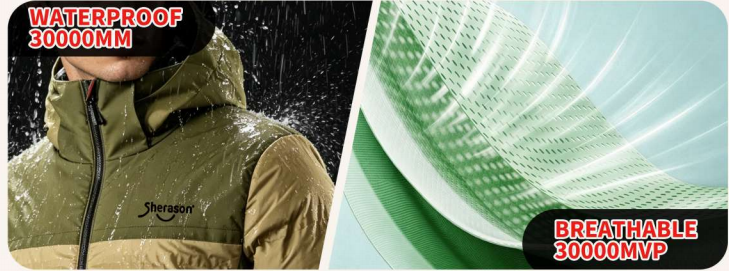
Our advanced materials deliver up to 30K waterproof and 30K breathable performance, ensuring maximum protection from rain, snow, and wind while maintaining superior comfort and moisture control
Premium Men’s Ski Jacket – Built for Extreme Winter Performance
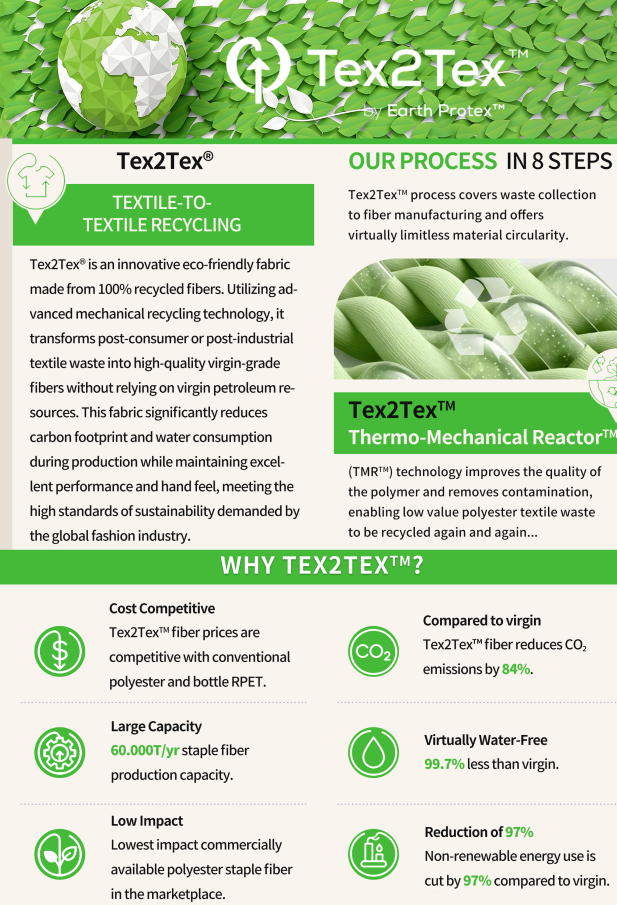
The fashion industry is at a crossroads. On one hand, demand for sustainable materials has never been higher. On the other, textile waste continues to pile up, with only a fraction being truly recycled into new garments.
Tex2Tex™: Closing the Loop on Textile Waste – Without Compromising on Quality or Cost

While bottle-based RPET was the first step, Textile-to-Textile (T2T) recycling represents the true "closed-loop" future. By transforming garment waste back into high-performance fibers, we offer a solution that cuts $CO_{2}$ by 84% without compromising the technical integrity of 2.5L/3L waterproof jackets.
The Next Evolution: From Recycling to Circularity