What is the Difference Between a Down Jacket and a Puffer Jacket?

The main differences between down jackets and puffer jackets are warmth retention , lightness, compressibility and ease of maintenance. Down is generally better than puffer jackets, but puffer jacket also has advantages.
1. What is the thermal insulation principle of down jackets and padded jackets?
The gaps between the down create a barrier that retains heat, plus the weight and quality of down is unmatched by any natural or synthetic equivalent. So down ensures that body temperature remains constant rather than escaping into the surrounding atmosphere.
The higher the fill power,the more heat it accumulates and the warmer it is. The higher the fill power , the velvet is larger and the warmer it is.
The warmth of puffer jackets is also similar to the down. cotton also has a certain degree of bulk, which can preserve heat without losing it. However, the weight of puffer jacket can never reach the weightless feeling of down. In addition, people generally believe that down is a higher level of warmth. In this way, consumption is also constantly upgrading, so the puffer jackets seems a bit cold compared to down.
2. At the same weight,the warmth retention ability of padded jackets is weaker than down jackets.
This is reflected in the warmth-to-weight ratio, which is simply the ratio of warmth to the weight of the thermal insulation material used. The higher it is, the better the warmth retention of the material is at the same weight.
From research,no matter how good the natural cotton is, it is impossible to produce the warmth of down at the same weight. Moreover, the padded jacket itself is heavy and will feel heavy when worn on the body.
3. Disadvantages of down jackets
Down has many advantages, but its disadvantages are also very obvious. In a humid environment, the fluffiness of down will decrease, resulting in a decrease in warmth retention. This is very fatal, because down can ensure that heat is stored around the body because of its fluffiness. If it absorbs water, it will be quite harmful. It becomes like a piece of fabric, similar to the clumps that appear after washing down jackets. Therefore, the better down jackets on the market now use hydrophobic-treated down. This kind of down has the characteristics of being non-hydrophilic and can ensure that it stays in place for a long time. It is less likely to absorb water and clump in a humid environment.
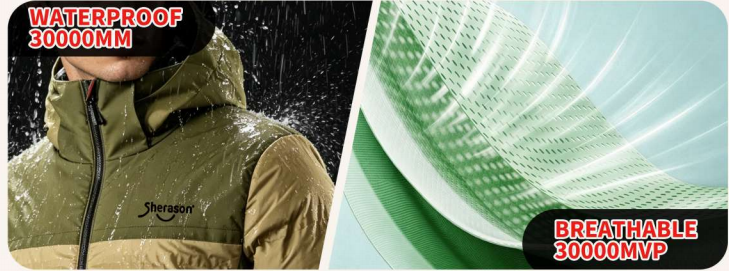
The hydrophobic treatment means the down jacket will perform better in wet conditions, but it's not intended to make the garment completely waterproof.
In addition, cleaning down jacket is more trouble thing. Each cleaning will reduce the warmth retention of down (inevitable) and most people do not know how to clean down jackets, which leads to a shorter life of down. On average, the price/performance ratio is not as good as puffer jackets per year. .
4. Advantages of puffer jackets
Puffer jackets should be said to be relatively low-cost. It only needs to be sewn to the inner layer of the clothing. Unlike down, which requires a filling machine to fill it, most of them do not require gluing. There are no strict requirements for gall bladders, and the storage environment is not as delicate as down, which can be reflected in the price of the product.
Cleaning puffer jackets will be much easier, you can wash them directly in the washing machine or by hand. These steps are very simple and require no specific solvents, and its life will last longer than down.
5. Is compressibility that important?
The most touted feature of down jacket is their compressibility. A large down jacket will be very small when rolled up, and it will not take up any space when placed in a backpack. It only needs to be compressed when storing it during the season, while padded jackets will be much bulkier and bulkier when stored. Compressibility is very important in outdoor activities such as trekking and climbing.
6. How to choose cost-effective down jackets and puffer jackets?
To put it simply, my method for choosing a down jacket is very simple. I only need to look at the down content, fill power, shape of the down jacket (bread style or rib style) and outer fabric.
The detailed steps for choosing a down jacket are as follows:
a. The label of down jacket have to indicate that the down content is more than 90% .
b. According to purpose, if for indoor environments, you can choosing ribs down,which is light and less sensitive to the cold . If for outside purpose, or are afraid of the cold, the bread type maybe a good choice.
c. Fill power:it is an important indicator to measure the warmth of down in the world. Under the same weight, the volume and voids of down with high fill power is larger, retain more air and with better thermal insulation effect. For example,FP 850 is suitable for the temperature between -10°C and -15°C.

Steps for selecting puffer jackets
1. If for daily life, the light weight puffer jackets is a good choice..
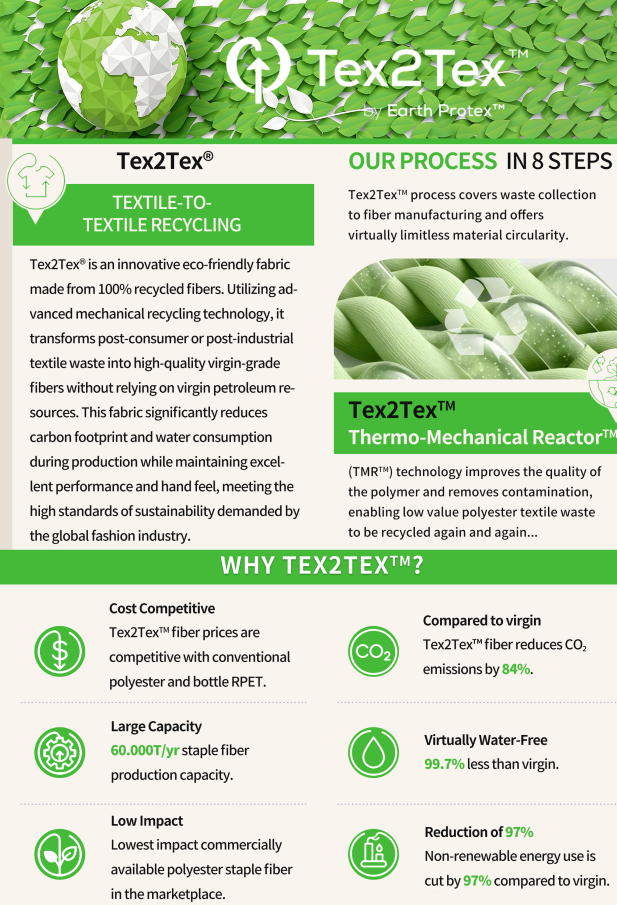
2. If you want to experience new technologies, the Primaloft, Thinsulate,Dupont,Graphene or Recycled filling puffer jackets are good choices.
7 Running Do's and Don'ts for Healthier and More Effective Running
Why Does Your Waterproof Jacket Get Wet Inside?
Related Article