What is the Waterproof and Breathability Index of a Waterproof Jacket?
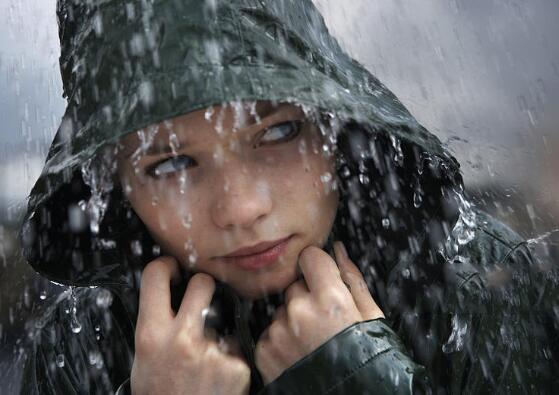
For outdoor sports enthusiasts, a jacket with good waterproof and breathable function is a must-have equipment. The performance of a waterproof jacket is closely related to its waterproof and breathable index.
What is the waterproof and breathable index of a jacket? Regardless of the type of waterproof jacket, waterproof and breathable is the key features when it comes to fabric selection. From the perspective of materials and production, some rain jackets rely on fabrics and coatings to be waterproof, some rely on waterproof and breathable membranes, and some combine the two to achieve waterproofing. Since the fabrics of jackets are waterproof and breathable, how can we distinguish the performance differences between them? Here we will first introduce to you two indicators to measure waterproof and breathable performance:
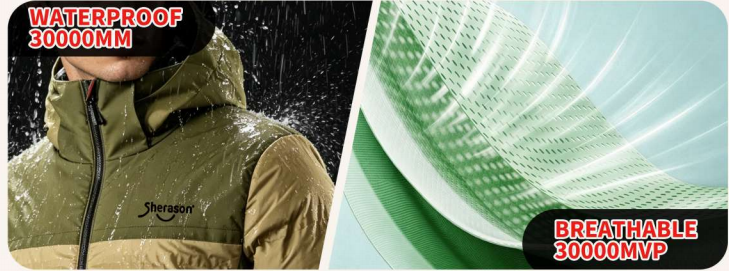
Waterproof index (unit: mmh20, millimeter water column pressure): Simply put, a fabric with a waterproof index of 10000mmH2O can allow a 10000mm high water column to press on it within 24 hours. No more than 3 drops of water should seep out of the fabric.
Breathability index (unit: g/m^2/24Hr, one gram of water vapor per square meter per day): It is how many grams of water vapor can pass through per square meter of area per day. A person loses half a liter of fluid (almost 500g) through the skin every day. As the amount of exercise increases, this loss will increase exponentially. This means that we need a higher breathability index to ensure that water vapor is discharged from the skin surface.

In addition to being waterproof, the jacket also needs to be breathable. When climbing, you will inevitably sweat a lot. If the sweat is not discharged in time, you will get soaked and feel uncomfortable. Therefore, in addition to being rainproof, the waterproof jacket needs to be breathable. Rainproofing is a requirement for safety, while breathability is a requirement for comfort. However, you often cannot have both, so you have to make a balanced choice.
Breathability is related to comfort. The sweat emitted by the human body is transmitted to the outside world in the form of water vapor through the jacket, thereby preventing sweat from gathering and condensing inside the jacket, which is the key to the comfort of the waterproof jacket. There is a "microclimate zone" between the human body and clothing. If the evaporated sweat of the human body cannot be discharged from the fabric, it will increase the water vapor content in the microclimate zone, causing an increase in relative humidity, and even causing sweat to condense, thus making the wearer uncomfortable. The patient feels hot and humid and uncomfortable.
The higher the waterproofness, the weaker the breathability. This is because the waterproofing and breathability of the jacket use the same channel - the micropores of the film. The contradiction between the thicker one and the thinner one creates a contradiction between the two: to improve the waterproofness, it is necessary to make the pores of the film smaller and denser, which is less conducive to the evaporation and discharge of sweat. Therefore, the higher the waterproofness of a jacket, the weaker the breathability, and vice versa.
When to consider high breathability? Since the breathability of a jacket is inversely proportional to its waterproofness, in some outdoor activities that require high perspiration and have little threat of rain or snow, such as cross-country running, you need to prefer a jacket with high breathability. The high waterproofness and high breathability of jackets go hand in hand. How should you choose?
Balance the waterproofness and breathability of the jacket according to the activity. The waterproofness and breathability of the jacket cannot be achieved at the same time. When purchasing, you cannot expect to buy an "all-round" jacket, but should balance it according to your type of outdoor activities. Cross-country running requires the jacket to be highly efficient in wicking away sweat, so it must have high breathability; cross-country running requires little carrying, and the backpack puts little pressure on the jacket in rainy weather, so the waterproofing requirements are low.
The amount of exercise for a single-day hike is moderate, and the jacket does not require high-intensity perspiration. Carrying a light pack will put a certain amount of pressure on the jacket in rainy weather, so a jacket for a single-day hike should have an average level of breathability and waterproofness.
Long-term heavy-duty hiking and high-altitude mountaineering require carrying heavy-duty bags. In extreme rain and snow weather, the jacket may be soaked due to the pressure of the backpack, thereby posing a risk of hypothermia. Therefore, such activities require the jacket to be highly waterproof while compromising on breathability.
There is a dilemma between waterproof and breathable jackets. According to different activity needs, a balanced choice between waterproofness and breathability is the correct way for you to choose a jacket.
What To Wear For Running In Different Seasons?
Introducing Our Latest Release Of Aurora Colors Skiwear
Related Article