What is Cationic Dyed Polyester Fabric? What is the Difference Between it and Nylon Fabric?
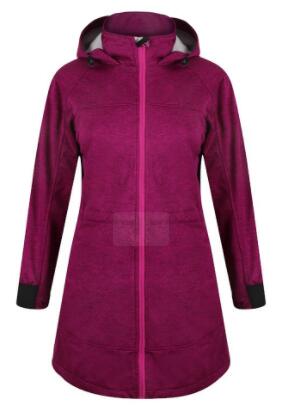
The cationic dyeable polyester, which is a kind of engineering plastic with excellent performance and wide application, widely used in fibers, films and plastic products. This fiber can ensure that cationic dyeing is easy, and at the same time increase the micropores of the fiber, improve the fiber dyeing rate, air permeability and moisture absorption, so as to further adapt to the simulation of polyester fiber.
Through the simulation of silk, the fabric can be made soft, breathable, comfortable, antistatic, and dyeable at normal temperature and pressure. Through the cationic modification of multifunctional wool-like fabric, the fabric can be made soft, antistatic, anti-pilling, and co-dyed with wool at normal temperature and pressure.
Nylon fabric is a chemical fiber fabric. Polyamide, commonly known as nylon, is a general term for thermoplastic resins containing repeated amide groups on the main chain of the molecule. Nylon has good toughness and mechanical strength like polyester, so it has excellent performance in tensile resistance and wear resistance. These characteristics also greatly improve the practicality of nylon.
Nylon fabric is resistant to wear, acid and alkali, oil, high temperature and high tensile strength, making it suitable for making high-quality clothing, luggage, handbags, tents, fishing gear, etc. Nylon fabric also has the advantages of being soft, light, waterproof, tear-resistant and oil-resistant, making it an ideal choice for outdoor products and sports equipment. The strength and hardness of nylon fiber itself have little effect on cleaning and stain resistance.
The simplest difference between nylon and polyester is the way they burn. Polyester emits strong black smoke, while nylon emits white smoke.
Overview of Clothing Accessories
The Difference Between Quick-drying Fabric, Water-repellent, Waterproof, Moisture-permeable, Breathable and Windproof Fabric?
Related Article