
Choosing the Perfect Waterproof Jacket: Your Ultimate Guide
author: luna
2025-01-25
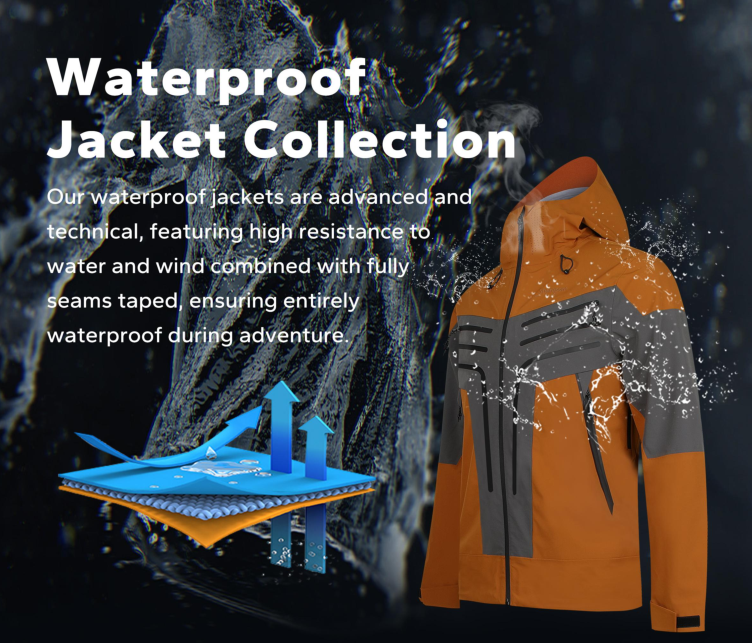
When the skies darken and the rain starts to pour, having a reliable waterproof jacket is essential to staying dry, comfortable, and stylish. But with so many options on the market, how do you pick the one that's perfect for you? This guide will walk you through the key considerations to make when selecting a waterproof jacket, ensuring you find the ideal companion for your outdoor adventures.
1. Understand the Waterproof Rating
The first and foremost criterion is the waterproof rating, often expressed in millimeters (mm). This indicates how much water pressure the fabric can withstand before water starts to penetrate. A rating of 5,000mm or higher is generally considered excellent for heavy rain, while 2,000mm to 5,000mm is suitable for moderate conditions. Remember, higher ratings don't necessarily mean better if you're not facing extreme weather; they might just add unnecessary weight and cost.
2. Breathability Matters Too
A common misconception is that waterproof jackets trap moisture inside. That's why breathability is crucial. Measured in grams per square meter per 24 hours (g/m²/24hr), it tells you how much moisture the fabric allows to escape. Look for a jacket with a breathability rating that matches your activity level. For high-intensity activities, a rating of 10,000g/m²/24hr or more is ideal. Lower ratings are fine for casual wear or light activities.
3. Fit and Comfort
A jacket that fits well not only looks better but also functions more effectively. Choose a size that allows for layering if you plan to wear it in colder climates. Consider the cut – slim-fit jackets are great for a streamlined look and better mobility, while relaxed fits offer more room and comfort. Don't forget to check the adjustability of features like cuffs, hem, and hood, as they can significantly enhance the fit and performance.
4. Durability and Fabric
Waterproof jackets come in various fabrics, each with its own strengths. Gore-Tex, for instance, is highly regarded for its durability and balance of waterproofness and breathability. Polyurethane (PU) coatings are more affordable but may not last as long. Nylon and polyester are common base materials; nylon is lighter and more flexible, while polyester is more durable and resists stretching.
5. Features and Functionality
Think about the features that are most important to you. Do you need multiple pockets? Are zippered vents essential for temperature control? A detachable hood can be a versatile addition. Reflective details enhance visibility in low-light conditions, perfect for early morning or evening strolls. Consider pockets' positions and sizes – they should be accessible and practical for your needs.
6. Style and Versatility
Finally, let's not overlook style. A good waterproof jacket should complement your wardrobe and fit into various occasions. Whether you're hiking in the mountains or meeting friends for coffee, choose a design that reflects your personal taste. Many brands now offer stylish options that blend functionality with fashion, making it easy to stay dry and look great at the same time.
The Various Types of Cotton in Cotton-Padded Clothes
How to Choose a Good Ski Jacket
Related Article

"Maintains Level 4 water repellency even after 10 washes." For consumers, this is both a quality promise and a technical mystery—how is such lasting waterproof performance achieved? This article delves into the technical principles and key processes behind it.
How Can Waterproof Fabric Maintain Level 4 Water Repellency After 10 Washes?
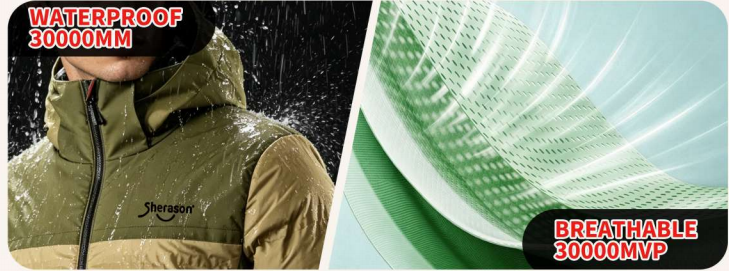
Our advanced materials deliver up to 30K waterproof and 30K breathable performance, ensuring maximum protection from rain, snow, and wind while maintaining superior comfort and moisture control
Premium Men’s Ski Jacket – Built for Extreme Winter Performance
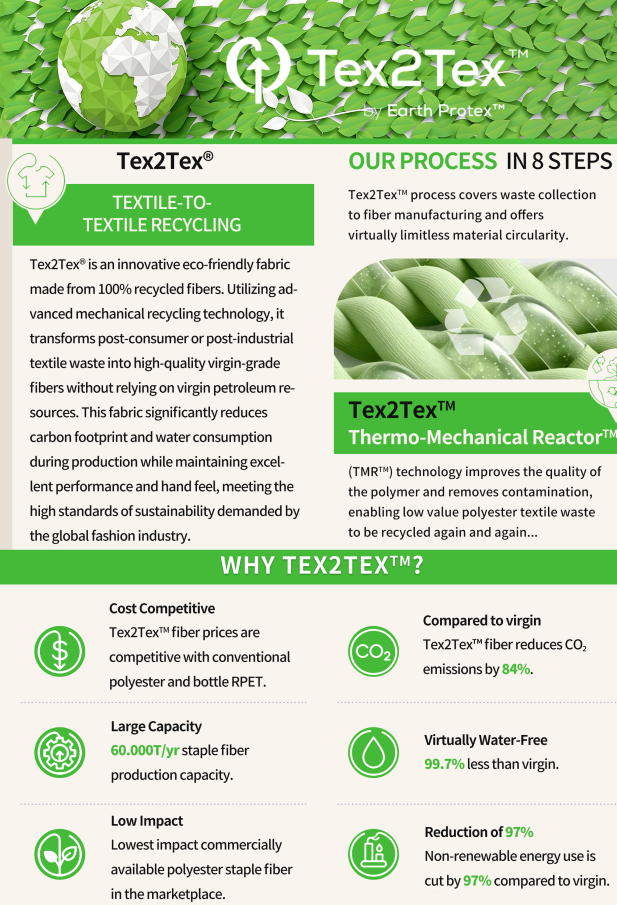
The fashion industry is at a crossroads. On one hand, demand for sustainable materials has never been higher. On the other, textile waste continues to pile up, with only a fraction being truly recycled into new garments.
Tex2Tex™: Closing the Loop on Textile Waste – Without Compromising on Quality or Cost

While bottle-based RPET was the first step, Textile-to-Textile (T2T) recycling represents the true "closed-loop" future. By transforming garment waste back into high-performance fibers, we offer a solution that cuts $CO_{2}$ by 84% without compromising the technical integrity of 2.5L/3L waterproof jackets.
The Next Evolution: From Recycling to Circularity