Why Aren't Softshell Jackets Fully Waterproof?
The answer lies in the fabric structure and the balance between wind resistance and breathability that softshells are designed to achieve.
1. Fabric Construction: The DNA of Softshell Performance
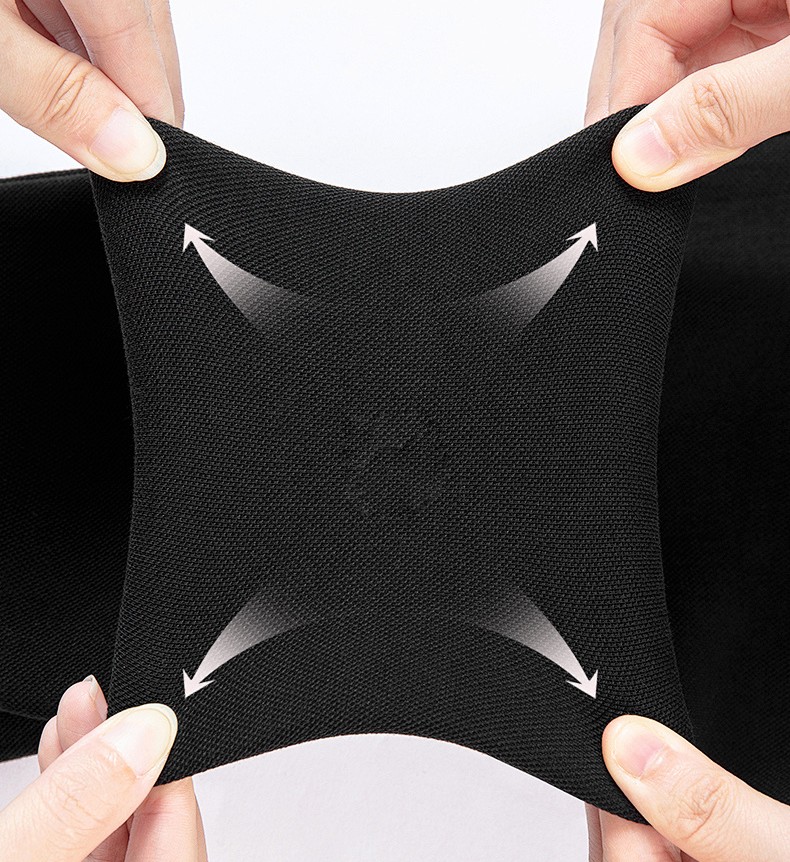
Softshell materials often use tightly woven fabrics or softshell composite structures (such as functional fleece bonded to outer fibers).
This construction gives softshells three key benefits:
-
Soft & Comfortable
-
Flexible & Quiet
-
Highly Breathable
But because breathability requires certain microscopic gaps in the fabric, softshells can never be as waterproof as a fully seam-taped 3-layer hardshell.
2. Breathability vs. Waterproofing: A Constant Trade-Off
True waterproofing typically requires:
-
A waterproof membrane (TPU / PTFE)
-
Fully taped seams
-
High hydrostatic head (10K/20K+)
However, these features tend to:
-
Reduce breathability
-
Make the fabric stiffer
-
Increase noise
-
Lower overall comfort
Softshells are designed with the opposite philosophy:
maximize comfort, elasticity, mobility, and breathability—perfect for hiking, climbing, cycling, and other high-output activities.
3. Water-Repellent ≠ Waterproof
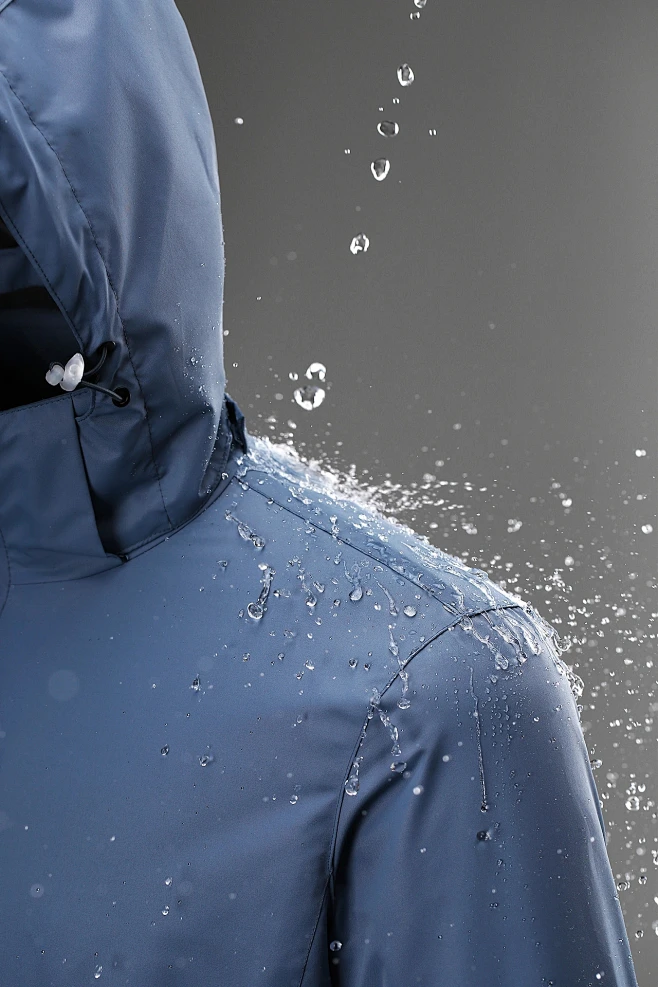
Most softshells use a DWR coating, creating a "beading effect" on raindrops.
This works well for:
-
Light rain
-
Snow
-
Mist
-
Damp environments
But in heavy or long-lasting rain, water will eventually penetrate because there's no waterproof membrane or seam taping.
4. Choose Based on Your Activity
-
Softshell: high mobility, variable weather, all-day comfort
-
Hardshell: heavy rain, harsh wind, or extreme conditions
Softshells aren't "less waterproof"—
they're built for a different purpose:
comfort + performance + breathability.
Did You Know? The "Sun Cure" Might Be Killing Your Waterproof Gear.
Beyond Waterproof: Your Jacket is a Promise to the Future.
Related Article
If you've been hanging your expensive gear on the balcony under direct sunlight, you need to read this.