Did You Know? The "Sun Cure" Might Be Killing Your Waterproof Gear.
author: Owen
2025-12-05
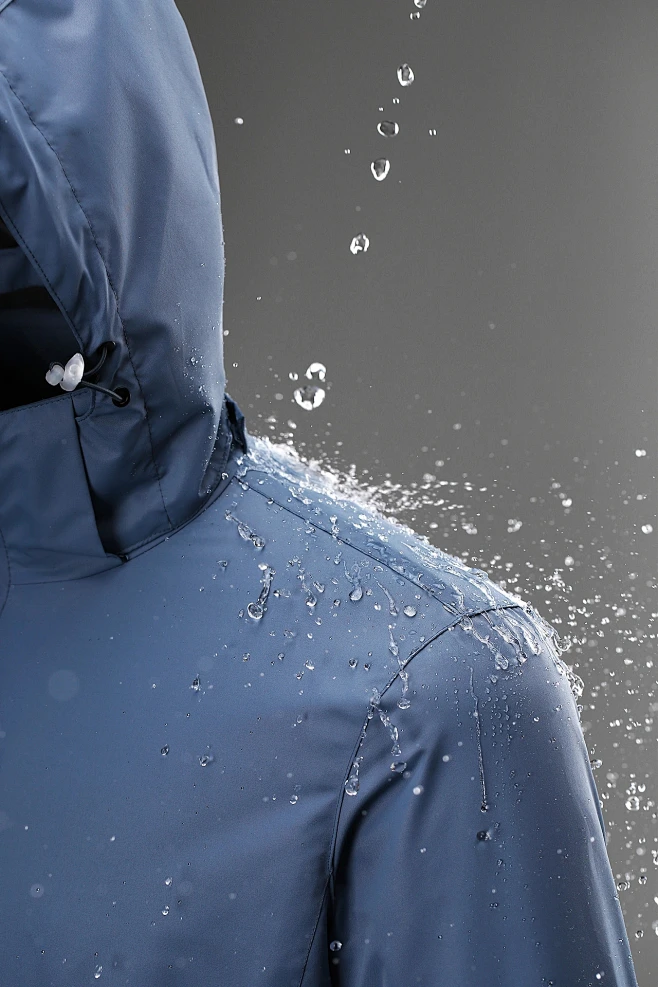
Why "Sun Drying" is a Myth for Outdoor Gear
It comes down to two invisible killers: UV Rays and Heat Accumulation.
UV Damages the Membrane: Most waterproof gear relies on a chemical DWR (Durable Water Repellent) coating and a waterproof membrane. Intense UV radiation accelerates the aging of these polymers, causing the fabric to become brittle and the coating to break down.
Heat Melts the Glue: High temperatures from direct sunlight can soften the seam tape (the glue that seals the stitching). Once this tape peels off, your waterproof jacket is no longer waterproof.
The Result? That expensive jacket starts soaking up water like a sponge, and the fabric might even start to bubble or delaminate.
The Correct Way to Dry: "Cool & Activate"
So, how do you dry it properly and extend the life of the waterproof coating? It’s a paradox: Avoid the sun, but embrace the heat (controllably).
Step 1: The "Vampire" Method (Line Dry in Shade)
After washing, hang your gear in a well-ventilated area strictly out of direct sunlight. A shady porch or an indoor rack with a breeze is perfect.
Tip: Fasten all zippers and velcro to keep the shape.
Step 2: The "Heat Activation" Secret (Cold Knowledge!)
Here is the counter-intuitive part. While UV rays hurt the DWR coating, warmth actually reactivates it. The molecular chains in the water-repellent coating stand up better when heated slightly.
Once the garment is dry, use one of these methods to maintain the water-beading effect:
Tumble Dry Low (Best Option): Put the dry garment in the dryer on low heat (max 60°C) for 20 minutes.
Iron (The Backup): Place a towel between the iron and the garment. Iron on a low setting without steam.
Summary: Treat It Like Skin
Think of your outdoor gear like your own skin. It needs cleaning, it needs to breathe, and it creates a barrier against the elements. But unlike your skin, it can't heal from sunburn.
The Golden Rule: Wash regularly, dry in the shade, and reactivate with low heat.
Take care of your gear, and it will take care of you on the next peak.
Why Aren't Softshell Jackets Fully Waterproof?
Related Article
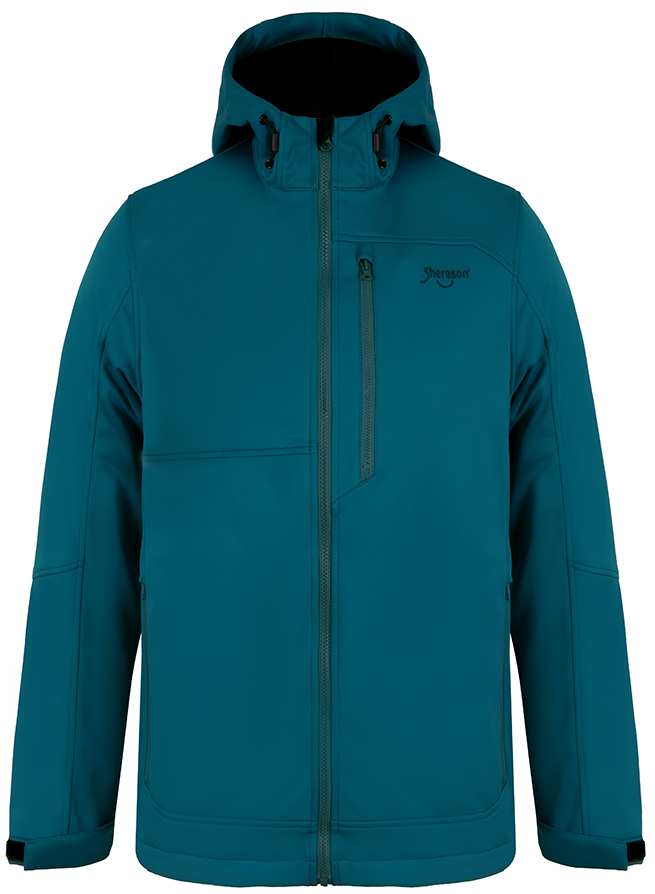
When choosing outdoor jackets, a common question arises:
"If softshells are windproof and water-repellent, why can't they be fully waterproof like hardshell jackets?"
"If softshells are windproof and water-repellent, why can't they be fully waterproof like hardshell jackets?"
Why Aren't Softshell Jackets Fully Waterproof?

When you're planning your next backcountry adventure, performance is everything. You need a jacket that stands up to howling winds and driving rain, keeping you impeccably dry. But have you ever considered that the gear protecting you can also protect the very nature you're exploring?
Beyond Waterproof: Your Jacket is a Promise to the Future.
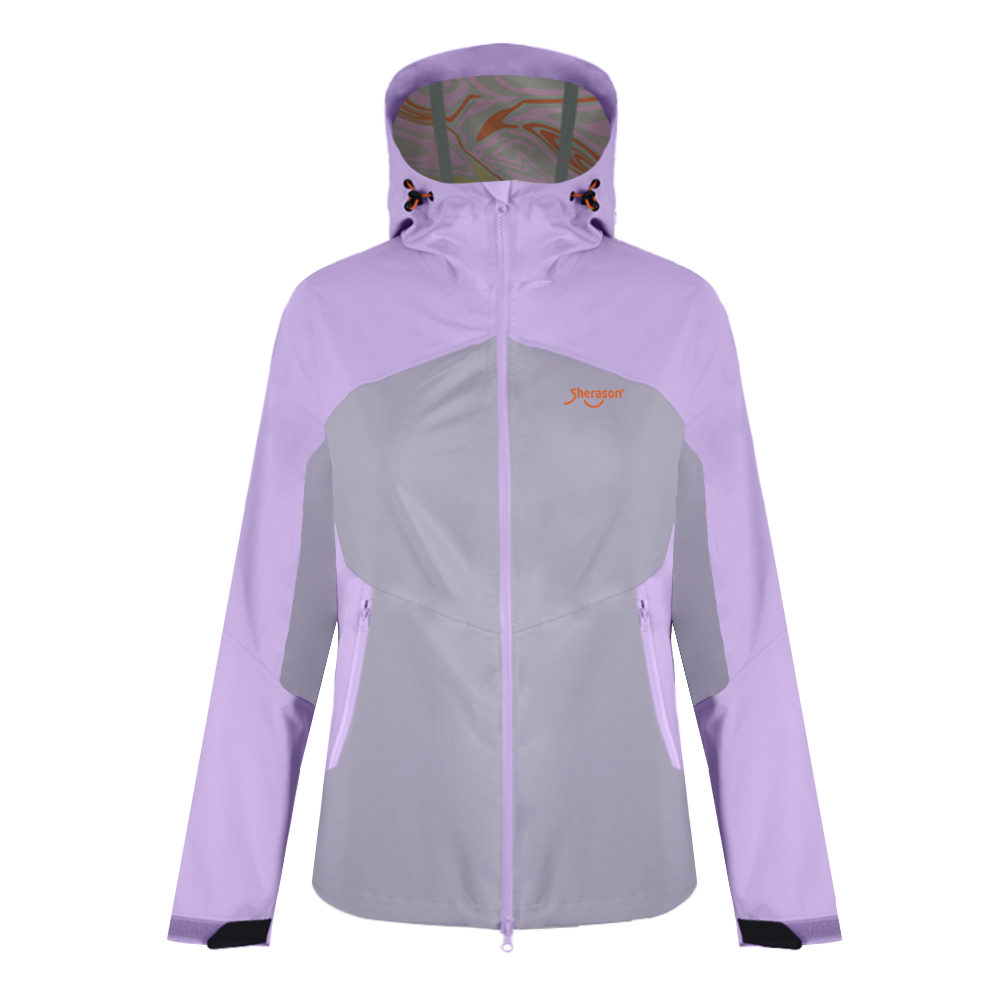
Your waterproof jacket is your essential shield against the rain, thanks to its invisible, breathable membrane. But what happens when this vital layer wears out? If you're noticing these three signs, it's time for a replacement.
Is Your Waterproof Jacket Failing? 3 Tell-Tale Signs of a Worn-Out Membrane