Snow Jacket vs Ski Jacket: Which One Do You Really Need? A Complete Guide to Key Differences

When preparing for a winter trip or ski vacation, a common question arises: "Is there a difference between a snow jacket and a ski jacket? Or is it just marketing terminology?"
The short answer is: Yes, there is a significant difference, and choosing the wrong one can affect your comfort, safety, and overall experience.
Core Difference: Different Design Philosophies
A snow jacket is designed for everyday winter warmth, intended for static or light activity in cold weather.
A ski jacket is a professional protective system built for high-intensity winter sports, specifically engineered to handle the unique challenges of skiing and snowboarding.
Five Key Differences Explained in Detail
Waterproofing & Breathability
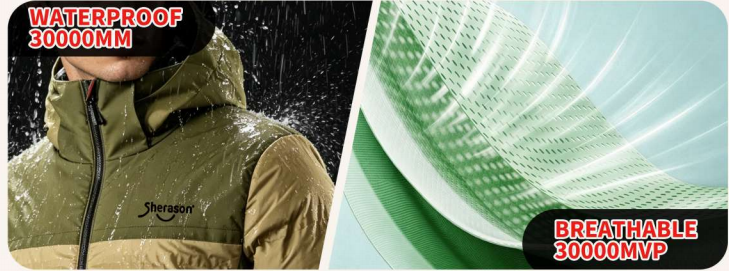
Ski Jacket: Uses high-performance waterproof-breathable membranes (e.g., Gore-Tex, eVent). Waterproof ratings are typically 15,000-30,000mm, with equal emphasis on breathability to expel sweat from strenuous activity.
Snow Jacket: May only have a DWR (Durable Water Repellent) coating with lower waterproof ratings (5,000-10,000mm). Breathability is generally moderate and not suited for high-output activities.
- Athletic Fit & Mobility
Ski Jacket: Features articulated patterning with pre-bent elbows, roomy shoulders, and a longer back for complete freedom of movement in all skiing positions.
Snow Jacket: Typically designed for everyday standing or walking, which may restrict large movements.
3. Specialized Features
Features unique to ski jackets:
Powder Skirt/Snow Gaiter: Prevents snow from entering at the waist.
Venting Zippers: Large mesh-backed openings under arms or on the torso.
Goggle Wipe: Integrated into a sleeve or pocket.
Ski Pass Holder/Lanyard: Internal or external.
Helmet-Compatible Hood: Sized to fit over a helmet.
Reinforced Zones: Extra durability on shoulders and elbows.
4. Fabric Durability
Ski Jacket: Uses tougher, more abrasion- and tear-resistant fabrics to withstand wear from lifts, ice crystals, and ski edges.
Snow Jacket: May use lighter, more fashion-oriented fabrics.
5. Insulation System
Ski Jacket: Often features adjustable or removable insulation layers to adapt to varying conditions—cold on the lift vs. hot while skiing down.
Snow Jacket: Typically has fixed insulation focused on maximum static warmth.
Decision Guide: How to Choose?
Choose a Professional Ski Jacket if:
You plan on moderate to intense skiing/snowboarding (especially alpine or resort skiing)
You'll be active in wet snow or variable weather conditions
You value safety, functionality, and performance
You ski multiple times a year or go on multi-day ski trips
A Snow Jacket Might Suffice if:
You are an occasional, beginner-level skier on gentle slopes
You ski in dry, cold climates only.
Your main activity is low-intensity snow play (e.g., snow walking, light sledding).
You have budget constraints and don't participate in winter sports often.
Hybrid Option: All-Mountain or 2-in-1 Jackets
The market offers growing options for "hybrid" or "all-mountain" jackets that balance everyday styling with technical features. Check if they include key ski-specific functions—especially venting systems and a powder skirt—as these often differentiate a true ski jacket from a regular snow jacket.
Safety Considerations
For backcountry or challenging conditions, the safety features of a professional ski jacket can be critical:
Higher visibility color options
Integrated Recco® reflectors (for avalanche rescue)
Specific pockets for safety gear (avalanche beacon, shovel, probe)
Conclusion
While the terms "snow jacket" and "ski jacket" are sometimes used interchangeably in casual conversation, their technical differences are substantial. Investing in a professional ski jacket is about more than just comfort—it's about better performance and safety on the mountain.
Final Recommendation: If you're a serious skier/snowboarder or plan to be active in challenging conditions, choose a professional ski jacket. If you're an occasional participant in ideal conditions, a high-quality snow jacket might suffice, but be aware of its limitations.
Whichever you choose, ensure it fits well, matches your activity level, and most importantly—enjoy your time on the slopes!
The Search for the "100% Waterproof" Jacket? The Truth, Technology, and Ultimate Selection Guide
10K vs 20K Waterproof Rating: Which is Better? A Practical Guide for Choosing Outdoor Gear
Related Article