The New Directions for 2027 Outdoor Ski Wear and Mountaineering Jacket Development: Intelligent, Sustainable, and Boundless Performance

As outdoor sports continue to gain popularity and technology advances, ski and mountaineering equipment are on the brink of an unprecedented transformation. From the ski resorts of the Alps to the high-altitude climbs of the Himalayas, outdoor apparel in 2027 will no longer be just about "waterproofing" or "insulation." Instead, it will evolve into a high-performance companion that integrates intelligent adaptation, ecological responsibility, and ergonomic design.
Today, we share with you three core directions for the future development of jackets—trends that will not only reshape products but also redefine the very nature of the outdoor experience.
Direction 1: Responsive Intelligent Systems (Adaptive Intelligence)
The jackets of the future will become a "second skin" for the wearer, actively sensing and responding to environmental changes.
Key Technological Breakthroughs:
Microclimate Regulation Systems: Through embedded micro-airflow channels and smart temperature-regulating fibers, jackets will adjust breathability and insulation in real time based on activity intensity, external temperature, and physiological state—eliminating the need for manual vent adjustments.
Augmented Reality (AR) Integration: Low-power AR display modules integrated into ski suit cuffs or mountaineering jacket collars will project critical data such as navigation information, weather alerts, and altitude, allowing users to keep their eyes on the route.
Safety Connectivity Networks: Built-in sensors in jackets will connect to team members' devices and rescue networks, automatically transmitting location and physiological metrics, and triggering distress signals in emergencies.
Direction 2: Circular Design and Carbon-Negative Materials (Circular by Design)
Sustainability has shifted from an "added benefit" to a core performance metric. By 2027, leading outdoor brands will no longer speak of "reducing pollution" but will instead pursue a "net-positive impact."
Material Revolution:
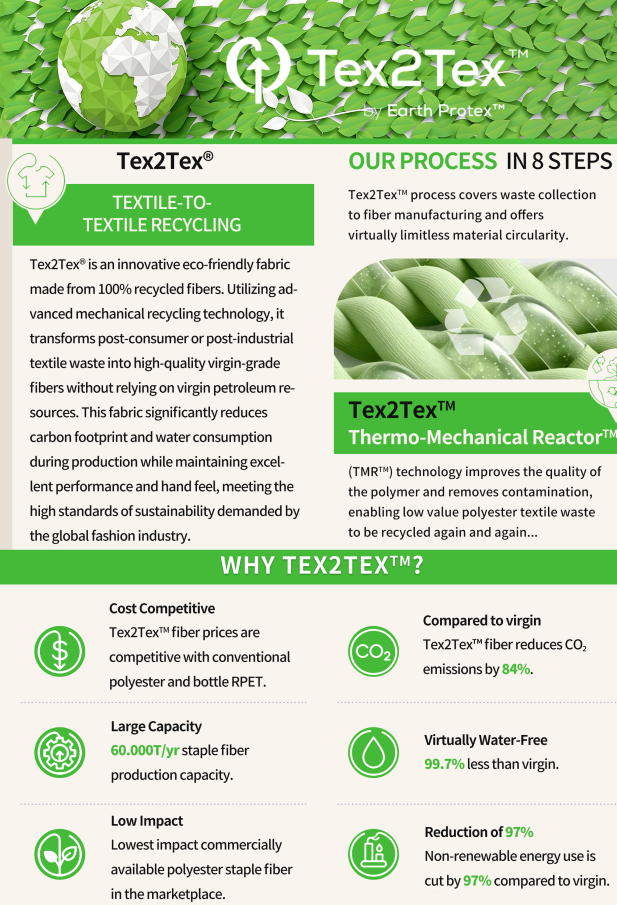
Bio-Based High-Performance Fabrics: From mycelium-derived waterproof coatings to insulation fibers extracted from algae, lab-grown materials will not only match the performance of traditional synthetics but also safely biodegrade after use.
Modular and Repairable Design: Jackets will feature standardized interfaces, allowing components like zippers, elbow abrasion panels, and pockets to be easily replaced, extending product lifespans to over 10 years.
Carbon Footprint Transparency: Each jacket will come with a digital passport (accessible via built-in NFC chips or QR codes), providing a complete overview of its carbon footprint from raw materials to finished product, along with recycling guidelines and repair tutorials.
Direction 3: Personalized Performance Optimization
The "one-size-fits-all" approach will become a thing of the past. By 2027, jackets will fit individual needs like a tailored suit—not just in size, but also in activity patterns and physiological characteristics.
Personalization Innovations:
3D Body Scanning and Dynamic Tailoring: Based on body data generated from mobile device scans and motion capture analysis, jackets will incorporate differentiated structures in areas like joint bends and stretches to achieve "dynamic zero resistance."
Adjustable Insulation Zones: Using inflatable layers or electrochromic materials, users can enhance insulation in specific areas (such as cold-prone hands and feet) without adding bulk overall.
Microbiome-Friendly Linings: Fabric surfaces will be optimized to inhibit odor-causing bacteria while maintaining skin microbiome health, making them suitable for multi-day wear.
Integrated Experience: When Jackets Become Outdoor Operating Systems
Imagine this scenario: Your ski suit automatically adjusts to insulation mode in the early morning. During a climb, the AR interface alerts you to sudden weather changes and suggests evacuation routes. Afterward, the jacket enters "cleaning mode," using sunlight to break down stains. Finally, you schedule a recycling pickup via an app, with the old jacket becoming raw material for new products.
This is the outdoor gear ecosystemis exploring—where products are no longer isolated items but intelligent interfaces for safety, navigation, social connectivity, and environmental stewardship.
The mountains and slopes of 2027 will belong to those who both revere nature and harness intelligence wisely.
The Difference Between PFAS-Free, PFC-Free, and Rudolph-Free Water Repellent
The Search for the "100% Waterproof" Jacket? The Truth, Technology, and Ultimate Selection Guide
Related Article