
Hiking Tip: The Invisible Killer of the Outdoors: Heat Loss
author: Lily
2024-11-28

First, the three accomplices of temperature loss
1) Wind
The presence of high winds means increased heat loss from the body. The higher the wind speed, the more heat the body dissipates, the easier it is to feel cold.
2) Humidity
When high winds and inclement weather overlap, the warm layers of clothing dampen and intensify the loss of body heat.
3) Cold
When the body is exposed to colder environments for extended periods of time, it is prone to primary symptoms of hypothermia. If not responded to in time, it may disrupt the thermoregulatory system and trigger hypothermia.
Any two of the above three elements at the same time can lead to the onset of hypothermia.
Second, the three major ways to cope with temperature loss
1) Hiding
A. Safe transfer: leave the bad environment as soon as possible. Look for places such as rocky backs and caves where you can take shelter from the wind and rain. When transferring the patient, pay attention to panning and gently placing.
B. Insulate the ground: Do not directly touch the wet and cold ground. Dry sleeping mats, clothing, life-saving blankets, etc. can be used to isolate the patient from the ground to prevent continued loss of his/her core body temperature.
2) Change
Drying treatment: If the patient has inner layer of clothes wetting situation, it is recommended to dry the body as soon as possible, change into dry clothes, and let drill into the sleeping bag or wrap the whole body with thick clothes.
3) Replacement
A. Core area warming: you can use hot water bottle, hot water bag, baby warmer, etc. to warm up the core area of the patient's neck and sides, armpits, groin, and so on.
B. Supplementary temperature: you can supplement some high-calorie food such as hot chocolate and thick sugar water.
Third, the prevention of heat loss tips
1. Pre-trip preparation: Know the destination's geography, weather forecast, itinerary and other information in advance, and take good measures to cope with it.
2. Food enough: Carry enough high-calorie food and water, and grasp the rhythm of movement to prevent physical overdraft and dehydration.
3. Wear enough clothes: take off when it's hot, add when it's cold, and change when it's wet.
Follow Three Layers of Dressing Advice
A. Bottom Layer: Includes underwear and underwear pants, mainly for warmth, perspiration and breathability.
B. Intermediate layer: Including fleece jacket and down jacket, mainly for lightweight and warmth.


3. Protective layer: including waterproof vest and waterproof pants, mainly for windproof, waterproof and wear-resistant.


Scaling New Heights: The Thrilling Adventure of Rock Climbing
Polyester Taffeta Fabric and Jacquard Fabric For Outdoorwear
Related Article

"Maintains Level 4 water repellency even after 10 washes." For consumers, this is both a quality promise and a technical mystery—how is such lasting waterproof performance achieved? This article delves into the technical principles and key processes behind it.
How Can Waterproof Fabric Maintain Level 4 Water Repellency After 10 Washes?
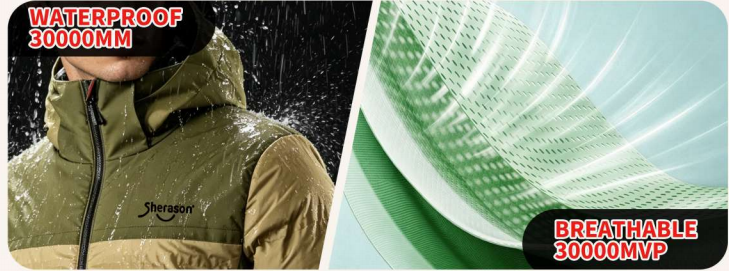
Our advanced materials deliver up to 30K waterproof and 30K breathable performance, ensuring maximum protection from rain, snow, and wind while maintaining superior comfort and moisture control
Premium Men’s Ski Jacket – Built for Extreme Winter Performance
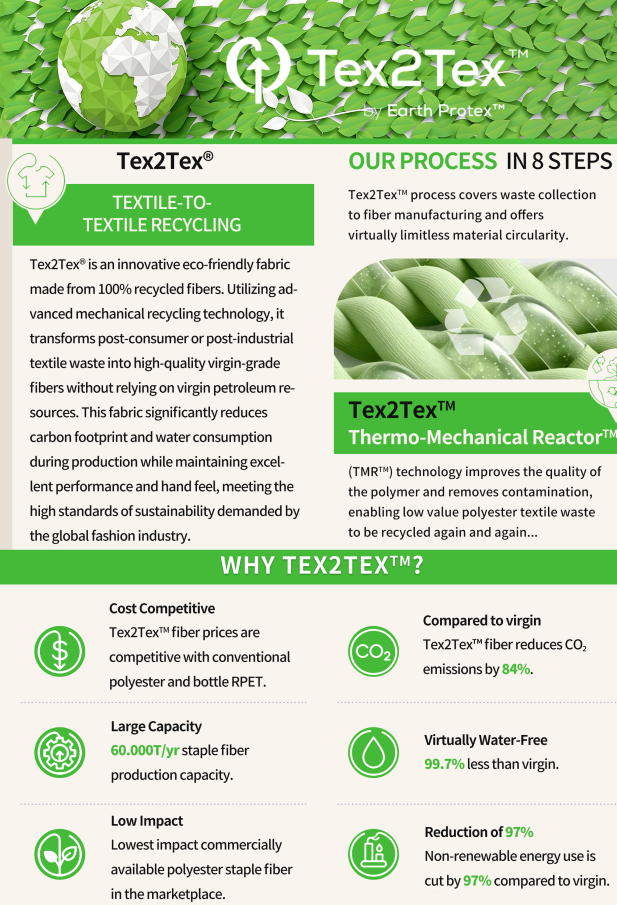
The fashion industry is at a crossroads. On one hand, demand for sustainable materials has never been higher. On the other, textile waste continues to pile up, with only a fraction being truly recycled into new garments.
Tex2Tex™: Closing the Loop on Textile Waste – Without Compromising on Quality or Cost
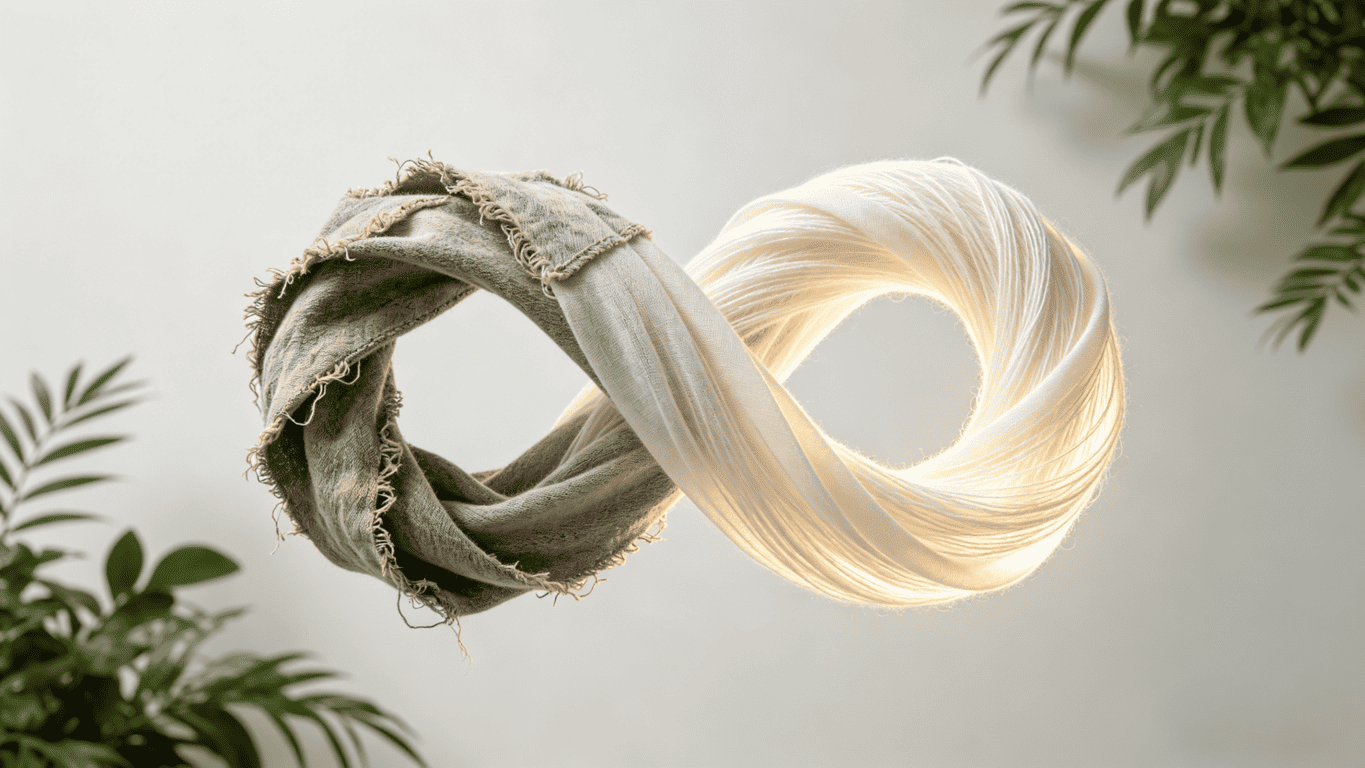
While bottle-based RPET was the first step, Textile-to-Textile (T2T) recycling represents the true "closed-loop" future. By transforming garment waste back into high-performance fibers, we offer a solution that cuts $CO_{2}$ by 84% without compromising the technical integrity of 2.5L/3L waterproof jackets.
The Next Evolution: From Recycling to Circularity