Essential Outdoor Waterproof Clothing Knowledge
The role of outdoor waterproof clothing
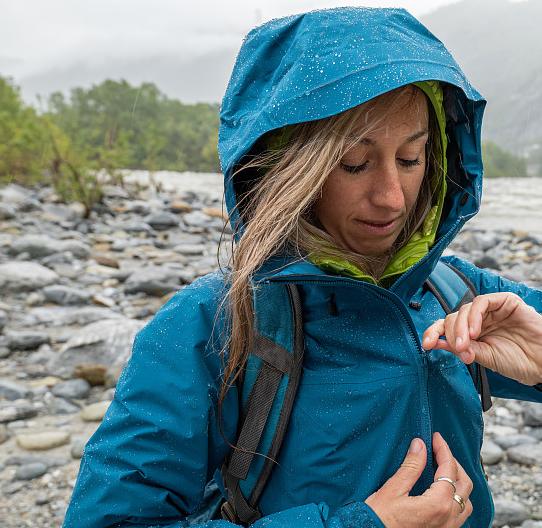
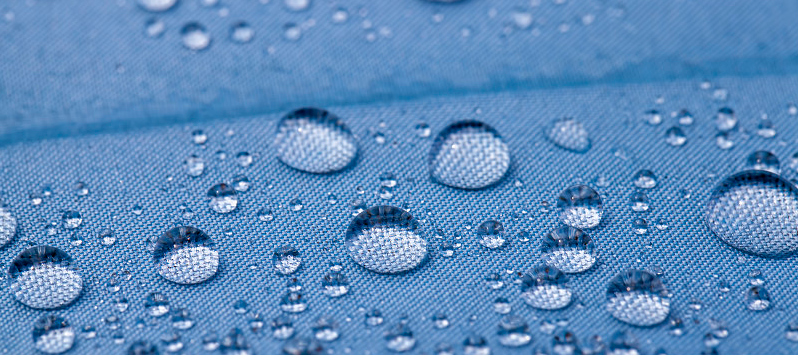
Outdoor waterproof clothing is essential for protecting individuals from the elements during outdoor activities. Clothing that is waterproof is designed to keep individuals dry and comfortable, even during heavy rains or wet conditions. Waterproof clothing is made from specialized materials that are water-resistant and can deflect water droplets away from the surface. These materials are also breathable, allowing you to stay comfortable and dry even during times of high activity. Additionally, waterproof clothing can help prevent hypothermia and keep individuals warm during cold and wet conditions. Overall, outdoor waterproof clothing is essential for individuals who frequently engage in outdoor activities such as hiking, camping, fishing, and more, as it can help protect against the elements and ensure comfort and safety.
The common materials of outdoor waterproof clothing and the difference between them?
When it comes to outdoor waterproof clothing, there are several common materials that are used. Each material has its own unique properties and features. Here are some of the most common materials used in outdoor waterproof clothing:
1. Gore-Tex: Gore-Tex is a waterproof and breathable fabric that is widely used in outdoor clothing. It is made from an expanded polytetrafluoroethylene (ePTFE) membrane that is laminated to other fabrics. Gore-Tex is both breathable and waterproof, which means that it is a great option for outdoor activities where you might get wet.
2. eVent: eVent is another breathable and waterproof fabric that is commonly used in outdoor clothing. It is made from a patented PTFE-based membrane that allows sweat to escape while preventing moisture from entering.
3. Pertex: Pertex is a lightweight and durable fabric that is often used as the outer layer of outdoor clothing. It is water-resistant, but not completely waterproof like Gore-Tex or eVent.
4. H2No: H2No is a waterproof and breathable fabric developed by Patagonia. It is made from a polyurethane-based membrane that is laminated to various fabrics.
Overall, the main difference between these materials is their level of waterproofness and breathability. Gore-Tex and eVent are the most waterproof and breathable options, while Pertex and H2No are slightly less waterproof but still provide good protection from the elements. Ultimately, the choice depends on the needs and activities of the user.
How to judge the quality of outdoor waterproof clothing?
To judge the quality of outdoor waterproof clothing, the following factors should be considered:
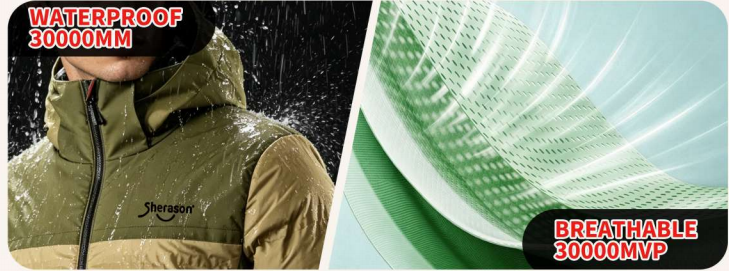
1. Waterproof rating: A good outdoor waterproof jacket should have a waterproof rating of at least 10,000mm. This means that the jacket can withstand a water column of 10,000mm before leaking. The higher the rating, the better the waterproof performance.
2. Breathability: A good outdoor waterproof jacket should also have good breathability to prevent sweat buildup inside the jacket. Look for jackets with a breathable membrane or venting systems.
3. Material quality: High-quality materials such as Gore-Tex or eVent are usually used in high-end outdoor waterproof jackets. These materials are durable, waterproof, and breathable.
4. Seams: The seams of an outdoor waterproof jacket should be fully sealed to prevent water from seeping in. Look for jackets with taped or welded seams.
5. Fit and comfort: A good outdoor waterproof jacket should fit well and be comfortable to wear. It should allow for freedom of movement and have adjustable features to customize the fit.
By considering these factors, you can make an informed decision when choosing an outdoor waterproof jacket that will keep you dry and comfortable during your outdoor adventures.
How to choose your own outdoor waterproof clothing?
When it comes to outdoor activities, especially in rainy weather, the right waterproof clothing can make all the difference. Here are some fundamental elements to consider when selecting the appropriate waterproof clothing for your outdoor activities:
1. Waterproof ability: Ensure that the clothing is completely waterproof. This feature is usually indicated by a waterproof rating system, which measures the water repellency of the fabric.
2. Breathability: It is also essential to choose clothing that allows your body to breathe. Breathability will ensure that your body moisture and perspiration evaporate and prevent you from getting wet from the inside.
3. Durability: Outdoor activities usually involve a lot of physical exertion. Hence, it would help if you had clothing that can withstand such activities.
4. Comfort: You should feel comfortable in your waterproof clothing. It should be the right size, lightweight, and flexible to allow for easy movement.
5. Insulation: If you are engaging in outdoor activities in colder temperatures, you will need insulation to keep you warm. Choose clothing that is designed to offer warmth without compromising on the waterproof qualities.
6. Design and Style: Your waterproof clothing can be stylish and functional. Consider the color, design, and style, ensuring that it suits both your preferences and the activities you engage in.
How should we properly care for our outdoor waterproof clothing in daily life?
As the name suggests, outdoor waterproof clothing is designed to repel moisture and keep you dry during outdoor activities in wet weather conditions. However, like any other clothing item, it requires proper care and maintenance to ensure its longevity and effectiveness.
Here are some tips on how to correctly care for your outdoor waterproof clothing:
1. Washing: Do not use regular detergents to wash your waterproof clothing. Instead, use a mild soap or detergent specifically formulated for waterproof gear. Avoid using fabric softeners or bleach, as they can damage the waterproof coating. Use gentle cycle in the washing machine.
2. Drying: Always hang your waterproof clothing to dry, avoiding direct sunlight and heat sources like a radiator or dryer. Heat can damage the waterproof membrane, which can result in leakage.
3. Maintenance: Keep your waterproof clothing well-maintained by regularly cleaning and checking for any signs of damage. Repair any tears or punctures in the fabric with a waterproof patch or tape immediately.
4. Storage: Store your waterproof clothing in a dry and cool place, away from direct sunlight and moisture. Ensure that the clothing is completely dry before storing it.
By following these simple tips, you can extend the life of your outdoor waterproof clothing, and ensure that you stay dry and comfortable during your outdoor adventures.
What are the essential outdoor equipment?
Everything You Need to Know About Hiking Pants in 2023
Related Article