Features of Nylon 66 Fabric

Nylon 66 (Polyamide 66 or PA66) is a synthetic polymer fabric known for its high strength, durability, and heat resistance. It is one of the most widely used engineering plastics and textiles, especially in performance and industrial applications.
1. What is Nylon 66?
Chemical Structure: Made from hexamethylenediamine (HMDA) and adipic acid, forming a symmetrical, highly crystalline polymer chain.
Key Difference from Nylon 6:
Nylon 6 has a single monomer (caprolactam) and is less heat-resistant.
Nylon 66 has two monomers (HMDA + adipic acid), making it stronger, stiffer, and more thermally stable.
2. Key Properties of Nylon 66 Fabric
Advantages
High Tensile Strength – One of the strongest synthetic fibers, ideal for load-bearing applications.
Excellent Abrasion Resistance – Resists wear and tear better than nylon 6 or polyester.
Heat Resistance – Melting point of ~265°C (509°F), higher than nylon 6 (~220°C).
Chemical Resistance – Resists oils, solvents, and many chemicals.
Low Moisture Absorption – Absorbs less water than nylon 6, reducing swelling and deformation.
Dimensional Stability – Maintains shape under stress and temperature changes.
Disadvantages
Less Flexible – Stiffer than nylon 6, reducing softness in apparel.
Higher Cost – More expensive than nylon 6 due to complex production.
Prone to Static Electricity – Requires anti-static treatments in some uses.
Non-Biodegradable – Petroleum-based, contributing to microplastic pollution.
3. Common Applications of Nylon 66 Fabric
Apparel & Sportswear
High-performance activewear (due to strength & durability).
Swimwear & lingerie (elastic recovery & shape retention).
Military & tactical gear (tear-resistant fabrics).
Industrial & Technical Textiles
Tire cords (reinforcement in radial tires).
Conveyor belts & hoses (abrasion resistance).
Parachutes & ropes (high strength-to-weight ratio).
Automotive & Aerospace
Airbags (heat resistance & rapid deployment strength).
Seat belts & upholstery (durability).
Consumer Goods
Luggage & backpacks (wear-resistant).
Outdoor gear (tents, backpacks).
4. Future & Sustainability Challenges
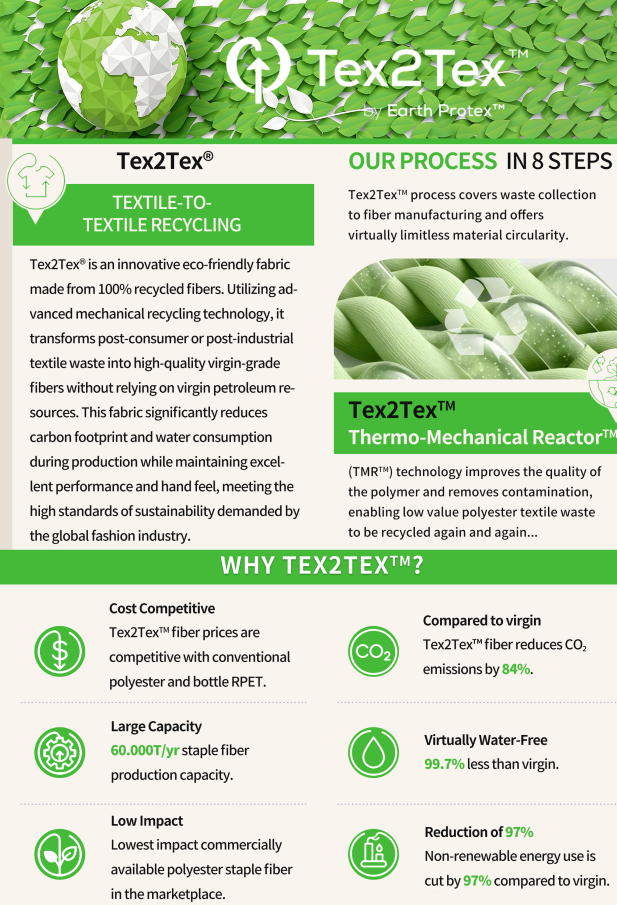
Recycled Nylon 66: Some brands (e.g., Econyl) recycle PA66 from fishing nets and industrial waste.
Bio-Based Alternatives: Research into bio-adipic acid (for partially renewable PA66) is ongoing.
Microplastic Pollution: Nylon 66 sheds microfibers, prompting development of filtration solutions.
Meet one of our expert artisans performing "Bar Tacking"
How to Choose Outdoor Hunting Pants? A Comprehensive Guide to Silently Conquering the Wild
Related Article