
Goose And Duck Down Jacket, Which Is Better?
author: Marianne
2023-04-08
Down jackets are a popular choice for keeping warm in cold weather, and they come in a variety of materials. Two of the most common materials used in down jackets are goose and duck down. While they both provide excellent insulation, there are some differences between them. In this guide, we'll take a closer look at goose and duck down and help you determine which one is better for your needs.
What is Goose Down?
Goose down refers to the soft, fluffy undercoating of geese. It's a natural material that's known for its ability to trap air and provide excellent insulation. The clusters of down have a three-dimensional structure that creates air pockets, which help to retain heat and keep the wearer warm.
One of the key benefits of goose down is its high fill power. Fill power is a measure of the amount of space one ounce of down will occupy when it's compressed. A higher fill power means that the down can trap more air and provide more warmth per ounce. Goose down has a higher fill power than duck down, which makes it an excellent choice for extreme cold weather conditions.
Another benefit of goose down is its durability. Goose down is more resilient than duck down, which means it can withstand more wear and tear over time. This makes it a good investment for those who want a high-quality jacket that will last for years.
What is Duck Down?
Duck down is a natural insulation material that's commonly used in jackets, sleeping bags, and other outdoor gear. It's similar to goose down, but there are a few key differences that are important to understand.
Duck down is the soft, fluffy undercoating of ducks. Like goose down, it's known for its ability to trap air and provide excellent insulation. However, duck down typically has a lower fill power than goose down, which means that it's not as warm and doesn't provide as much insulation per ounce. This doesn't necessarily mean that duck down is a poor choice for insulation, but it's important to consider the fill power when choosing a jacket or sleeping bag that uses duck down.
Which is Better: Goose Down or Duck Down?
When it comes to warmth, goose down is the clear winner. It has a higher fill power than duck down, which means it provides more warmth per ounce. This makes it an excellent choice for extreme cold weather conditions. Goose down is also more durable and long-lasting than duck down, which makes it a good investment for those who want a jacket that will last for years.
However, if you're on a budget, duck down can still provide adequate warmth at a lower cost. It's also a good choice for those who want a lighter weight jacket or who plan to use it for less extreme weather conditions.
It's important to note that the quality of the down is also an important factor to consider. Higher quality down, whether it's from a goose or a duck, will provide better insulation and last longer. Look for jackets with high-quality down that's been ethically sourced to ensure that you're getting a product that's both effective and sustainable.
In conclusion, both goose and duck down jackets are excellent choices for keeping warm in cold weather. Goose down provides more warmth per ounce and is more durable, but it's also more expensive. Duck down is less expensive and lighter weight, making it a good choice for budget-conscious shoppers or less extreme weather conditions. When choosing a down jacket, look for high-quality down that's been ethically sourced to ensure that you're getting a product that's both effective and sustainable.
What Is The Best Fabric To Wear For 3 In 1 Jacket?
Tips For Your Little Ones To Enjoy A Skiing Experience
Related Article
"Maintains Level 4 water repellency even after 10 washes." For consumers, this is both a quality promise and a technical mystery—how is such lasting waterproof performance achieved? This article delves into the technical principles and key processes behind it.
How Can Waterproof Fabric Maintain Level 4 Water Repellency After 10 Washes?
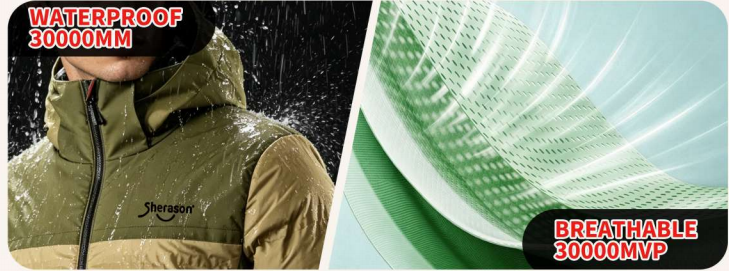
Our advanced materials deliver up to 30K waterproof and 30K breathable performance, ensuring maximum protection from rain, snow, and wind while maintaining superior comfort and moisture control
Premium Men’s Ski Jacket – Built for Extreme Winter Performance
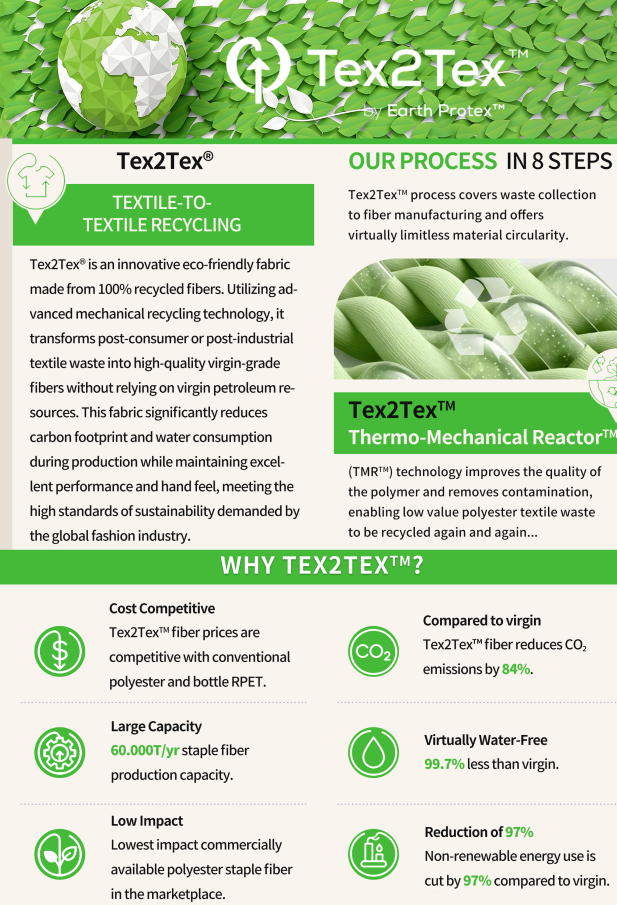
The fashion industry is at a crossroads. On one hand, demand for sustainable materials has never been higher. On the other, textile waste continues to pile up, with only a fraction being truly recycled into new garments.
Tex2Tex™: Closing the Loop on Textile Waste – Without Compromising on Quality or Cost

While bottle-based RPET was the first step, Textile-to-Textile (T2T) recycling represents the true "closed-loop" future. By transforming garment waste back into high-performance fibers, we offer a solution that cuts $CO_{2}$ by 84% without compromising the technical integrity of 2.5L/3L waterproof jackets.
The Next Evolution: From Recycling to Circularity