How Does The Outdoor Jacket Works?
Understanding how breathable waterproof fabrics work can help you decide which one to buy and how to care for them and extend their life.
1. How are waterproof fabrics constructed?
2. How is water resistance measured?
3. How is breathability measured?
4. what is a durable waterproofing agent?
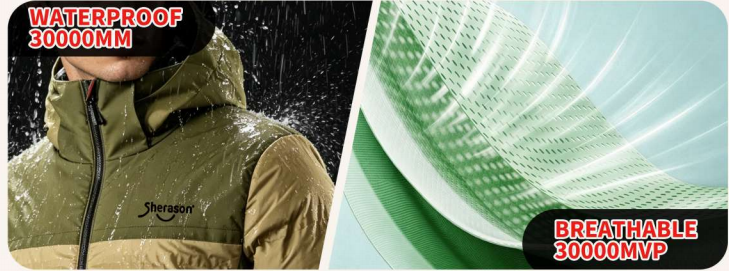
The waterproof fabric is made up of different layers with a breathable waterproof membrane at its core.
This membrane blocks rain drops but still allows sweat to pass through, keeping you dry inside and out.
Domestically it is preferred to use 2, 2.5 and 3 layers to differentiate waterproof and breathable materials.

2 layers fabric made from a waterproof membrane bonded fabric, often with a separate mesh or fabric lining sewn in to provide comfort and protection.2 Layers are the cheapest fabrics available, but the sewn in lining usually makes them heavier and less breathable.
Used more for entry level rashers, GORE's output of this type of material is also plentiful and is supplied to various brands producing junior GORE material rashers.

2.5 layer fabric similar to two-layer fabrics, but they have a protective print on the inside (i.e. the half-layer) to protect the film. Sometimes this print contains carbon or silica to make it feel more comfortable against the skin. There is no separate mesh or fabric lining sewn on, so 2.5 ply fabrics are often very light and easy to pack.

3 layers fabric they consist of an inner lining, a waterproof membrane and a surface fabric, all bonded together. They are more expensive than the 2 and 2.5 layers, so they are heavier and bulkier, wear better and offer better protection.
The surface fabric provides better abrasion resistance and protection
The inner lining material protects the waterproof membrane and prevents it from being applied directly to your skin. As a result, they are more durable and more comfortable to wear.
High-end rashers are made of three layers of material.

Coated fabrics
The fabrics listed above (2, 2.5 and 3 layers) are similar to the fabrics above: a thin waterproof membrane is bonded to the outer shell fabric. However, some manufacturers also produce coated waterproof fabrics. A coated fabric is where a waterproof coating (usually polyurethane) covers the inside of the outer shell fabric.
The main differences between laminated and coated fabrics are breathability and price.
Coated fabrics are much less breathable - it is not possible to make a coating as thin as a membrane fabric. Laminated fabrics perform better because we can make the waterproof membrane very thin to maintain breathability. However, the cost of making laminated fabrics means you pay more for them.
Waterproof hydrostatic head
Hydrostatic Head (HH) rating tells you how much water pressure the material can withstand before letting water in. It is measured using a column of water (for a fabric with a diameter of 10 cm). This value indicates the height of the water column required for water to leak.
It is recommended that you look for an HH of at least 10,000 mm for most activities, or at least 20,000 to be suitable for all-weather use.

Generally speaking, the more you use your rash guard, the more rain you will need to withstand and therefore the higher the hydrostatic head you will need. It's worth noting that rucksack straps increase the hydrostatic pressure on waterproof layers as they push water through the fabric. If you regularly carry a heavy canvas rucksack, you may need a waterproof product with a higher hydrostatic head.
Breathability and moisture permeability
The most waterproof material in the world , if it doesn't breathe it won't be comfortable.
The moisture generated during exercise needs to escape somewhere. If moisture doesn't get through your protective layer quickly enough, it will build up inside your garment and feel damp.
Breathable fabrics are those that allow moisture to pass from the inside of the fabric to the outside. One measure of breathability is moisture vapour transmission rate (MVTR), measured in grams per square metre per day (g/m2/24hrs).
It is recommended that MVTR follows the following guidelines:
- 8000 for sedentary activities
- 10,000 - 15,000 is breathable enough for most activities where you expect to sweat - such as hiking.
- 20,000 is great for intense activity as you will really push yourself.

What else affects the breathability of waterproofing?
Breathability depends on "solid diffusion": water vapour is absorbed through the fabric and transferred to the other side. Water vapour always tries to move to the least moist side of the fabric to keep it in balance.
In most cases, this means that water flows from the inside of the jacket to the outside. However, when it is very wet, your jacket will not feel as breathable.
Breathability
Breathability is a measure of how much air a fabric allows to pass through it. Not all waterproof materials have a breathability rating.

Features
Pockets on an assault jacket can affect breathability as they add another layer of fabric to the interior. Some styles have mesh pockets which reduce the amount of fabric and allow you to vent excess heat and sweat as well.
Dirt and abrasion: Dirt and abrasion will material reduce breathability.
What is Durable Water Repellent (DWR) coating?
Durable Water Repellent (DWR) is a fabric coating that prevents water from soaking into the jacket and causing it to roll up and down. Without the DWR coating, the outer fabric of the jacket will 'soak' (become soaked with water). When this happens, your jacket loses its breathability, becomes heavier and feels colder as the wet fabric pulls heat away from the skin. Regular cleaning and re-waterproofing will maintain the DWR coating so that your jacket continues to be waterproof.
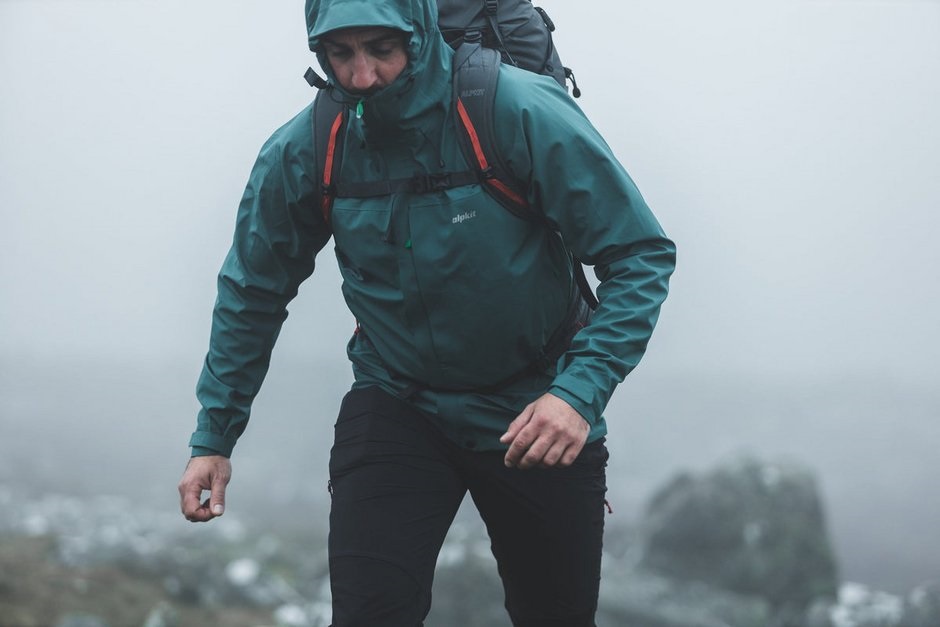
Your DWR turns water droplets into droplets and rolls off the waterproofing surface to keep it breathable
Durable water repellents and the environment
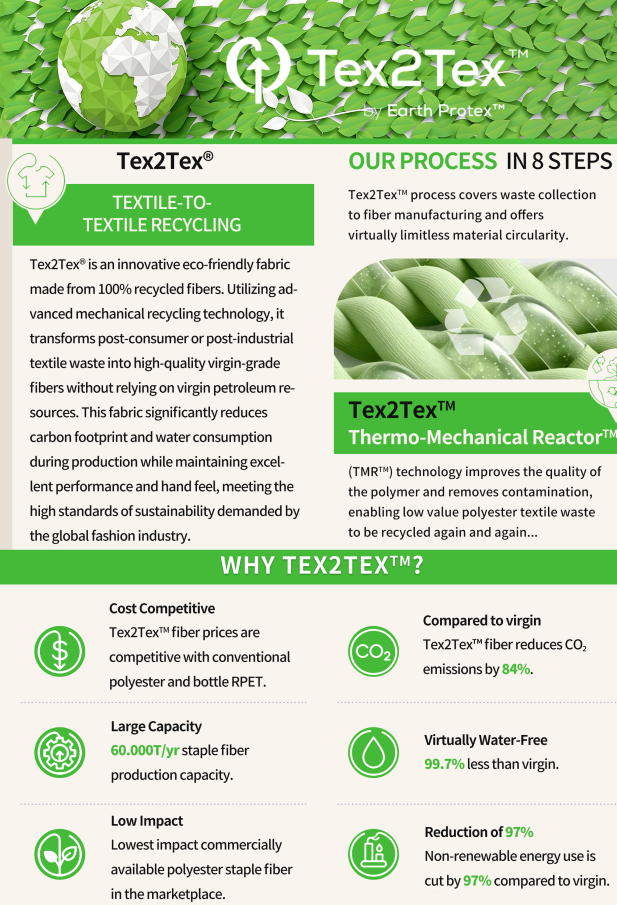
Brands may tell you what type of DWR they use - C8, C6 or C0 - but this will only tell you how many carbon atoms are in the DWR and whether it contains PFC. the only thing you really need to know about DWR is its The only thing you really need to know about DWR is its impact on the environment.
Historically, the outdoor industry has used C8 DWR exclusively because they are incredibly durable. You don't need to check your jacket much, but it was found that these chemicals create toxic by-products that are passed down through generations in the environment (PFOS and PFOA). As a result, the industry has turned to C6 DWRs. they are less durable and require more maintenance than C8s, but they do not accumulate as much or produce toxic by-products.
However, all PFCs, even the less harmful C6 chemicals, can accumulate in the environment. We do not yet know the damage that PFCs can cause, so the industry has now shifted the entire waterproofing range to C0 DWRs that are completely PFC-free.
The Important Properties of Ski Wear
The Difference Between A 3 in 1 Jacket And An Ordinary Outdoor Jacket ?
Related Article