
Introducing Durable Fabrics That Resist Fading
author: luna
2025-02-27
In the world of fashion, finding garments that not only look stylish but also retain their vibrant colors over time is a priority for many. The secret lies in choosing the right fabric – one that is resilient and designed to withstand the test of time, including exposure to sunlight, frequent washing, and general wear and tear. Here, we explore some of the most fade-resistant fabric options available today.
1. Synthetic Fibers: Polyester and Nylon
Synthetic fabrics, particularly polyester and nylon, have earned a reputation for their durability and colorfastness. Polyester, known for its strength and wrinkle-resistance, is often blended with natural fibers to enhance longevity and color retention. Nylon, on the other hand, is lightweight yet highly resilient, making it ideal for outdoor wear where exposure to the elements is inevitable. Both materials undergo rigorous dyeing processes that ensure colors stay vibrant wash after wash.
2. Cotton Treated with Advanced Technologies
While pure cotton is beloved for its comfort and breathability, it can sometimes suffer from fading. However, advancements in textile technology have led to the development of treated cottons that offer enhanced fade resistance. These fabrics undergo special treatments or are woven using innovative techniques that lock in dyes more effectively, preserving their vivid hues. Look for labels that mention "color-locked," "fade-resistant," or similar terminology to identify these enhanced cotton blends.
3. Performance Fabrics: Spandex and Elastane Blends
Performance fabrics, often found in athletic wear, are engineered to perform under stress while maintaining their appearance. Blends containing spandex or elastane, combined with polyester or nylon, provide stretch and recovery while ensuring colors stay true. These fabrics are treated with special finishes that resist fading even after repeated stretching and exposure to sweat and detergents.
4. Wool and Silk with Specialized Dyeing Techniques
Natural fibers like wool and silk, though luxurious, can be prone to fading if not properly dyed and cared for. High-quality wool and silk garments that have undergone specialized dyeing processes, such as acid dyeing for silk, are more likely to retain their colors. These techniques involve using dyes that bond deeply with the fiber, making them more resistant to fading over time. Proper care, including hand washing and avoiding harsh chemicals, further extends their color vibrancy.
The Difference Between Softshell Jacket and Hardshell Jacket
What are the Fabric Finishing Processes?
Related Article
"Maintains Level 4 water repellency even after 10 washes." For consumers, this is both a quality promise and a technical mystery—how is such lasting waterproof performance achieved? This article delves into the technical principles and key processes behind it.
How Can Waterproof Fabric Maintain Level 4 Water Repellency After 10 Washes?
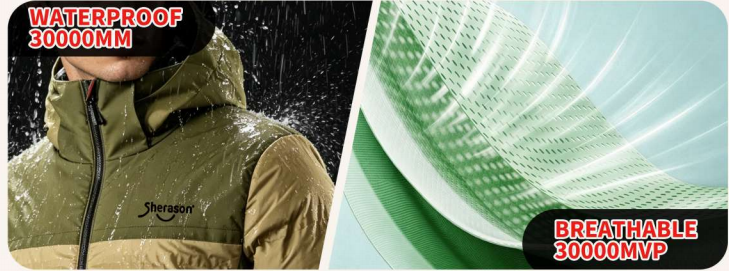
Our advanced materials deliver up to 30K waterproof and 30K breathable performance, ensuring maximum protection from rain, snow, and wind while maintaining superior comfort and moisture control
Premium Men’s Ski Jacket – Built for Extreme Winter Performance
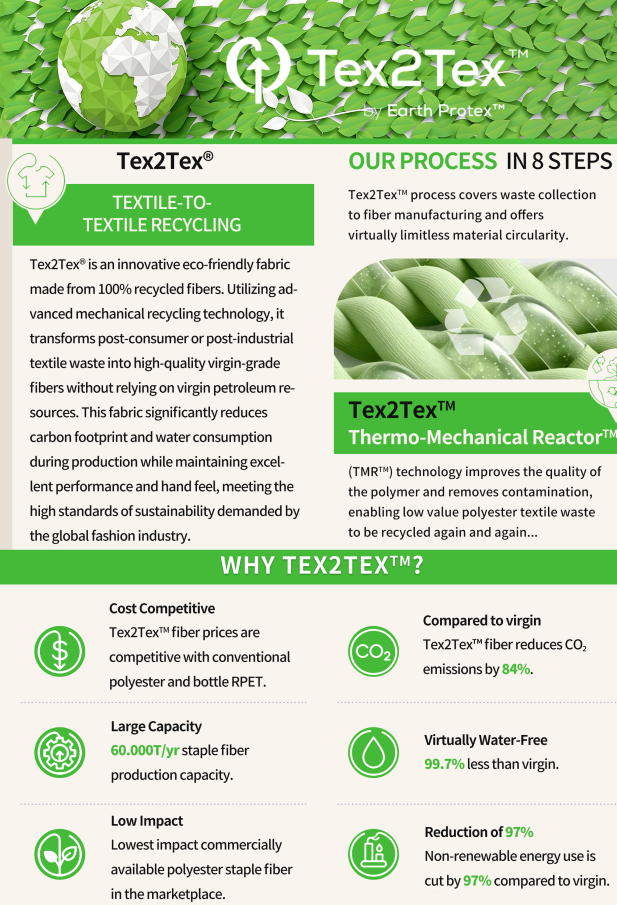
The fashion industry is at a crossroads. On one hand, demand for sustainable materials has never been higher. On the other, textile waste continues to pile up, with only a fraction being truly recycled into new garments.
Tex2Tex™: Closing the Loop on Textile Waste – Without Compromising on Quality or Cost
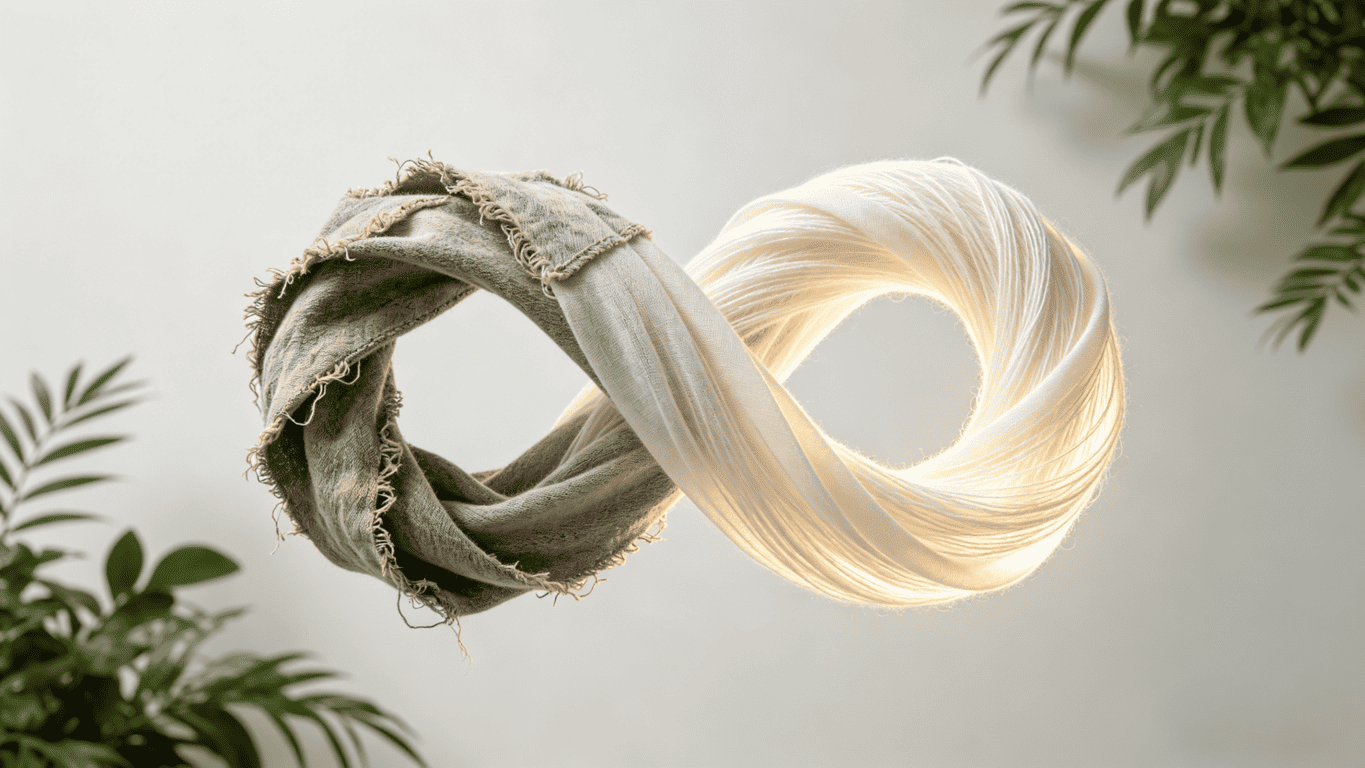
While bottle-based RPET was the first step, Textile-to-Textile (T2T) recycling represents the true "closed-loop" future. By transforming garment waste back into high-performance fibers, we offer a solution that cuts $CO_{2}$ by 84% without compromising the technical integrity of 2.5L/3L waterproof jackets.
The Next Evolution: From Recycling to Circularity