
Overview of Clothing Accessories
author: Lemon Lin
2025-01-18
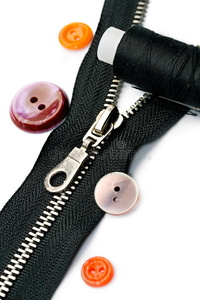
Main Types of Clothing Accessories
1. Lining (Lining Fabric)
Definition: The lining is the material inside the clothing, often used to partially or fully cover the main fabric or interlining.
Functions: It enhances comfort and protects the outer fabric.
Examples: Cotton lining, silk lining, synthetic fiber lining, etc.
2. Filling (Stuffing)
Definition: Filling materials are used to increase the warmth of clothing, such as down in down jackets.
Examples: Cotton, artificial cotton, polyester wadding, silk wadding, acrylic staple fibre, down, etc.
3. Padding (Padding Material)
Definition: Padding materials are often used in areas that require extra support, such as the shoulders and chest.
Examples: Shoulder pads, breast pads, etc.
4. Sewing Thread Materials
Definition: Sewing threads are the bonds that connect the main fabric and accessories.
Examples: Cotton thread, silk thread, nylon thread, polyester thread, embroidery thread, etc.
5. Fastening Materials
Definition: Fastening materials include zippers, buttons, and other devices used to open and close clothing.
Examples: Zippers (nylon zipper, polyester zipper, metal zipper, plastic zipper, etc.), buttons (decorative buttons, special-shaped buttons, plastic buttons, glass buttons, metal buttons, etc.).
6. Decorative Materials
Definition: Decorative materials are used to add aesthetic appeal to clothing, such as lace, embroidery, and piping.
Examples: Lace, webbing, piping, fashion tape, etc.
7. Other Auxiliary Materials
Definition: These include a wide range of materials that support the functionality and aesthetics of clothing, such as hangers, hangtags, accessories, labels, cord, and packaging materials.
Examples: Hangers, hangtags, accessories (hooks, loops, fur, etc.), labels, cord, packaging boxes and bags, etc.
The Role of Clothing Accessories
Clothing accessories, though not as eye-catching as the main fabric, are indispensable in the production of clothing. They enhance the comfort and durability of clothing while also adding aesthetic appeal. The choice of accessories often determines the overall quality and style of the garment.
In summary, clothing accessories are an important part of the clothing production process. They play a crucial role in enhancing the comfort, durability, and aesthetics of clothing. With the continuous development of the textile industry, more innovative and functional accessories will emerge, further enriching the diversity and quality of clothing.
The Difference Between Single-Brush and Double-Brush Polar Fleece
What is Cationic Dyed Polyester Fabric? What is the Difference Between it and Nylon Fabric?
Related Article

"Maintains Level 4 water repellency even after 10 washes." For consumers, this is both a quality promise and a technical mystery—how is such lasting waterproof performance achieved? This article delves into the technical principles and key processes behind it.
How Can Waterproof Fabric Maintain Level 4 Water Repellency After 10 Washes?
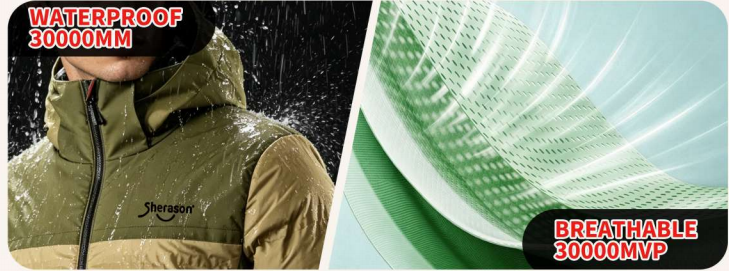
Our advanced materials deliver up to 30K waterproof and 30K breathable performance, ensuring maximum protection from rain, snow, and wind while maintaining superior comfort and moisture control
Premium Men’s Ski Jacket – Built for Extreme Winter Performance
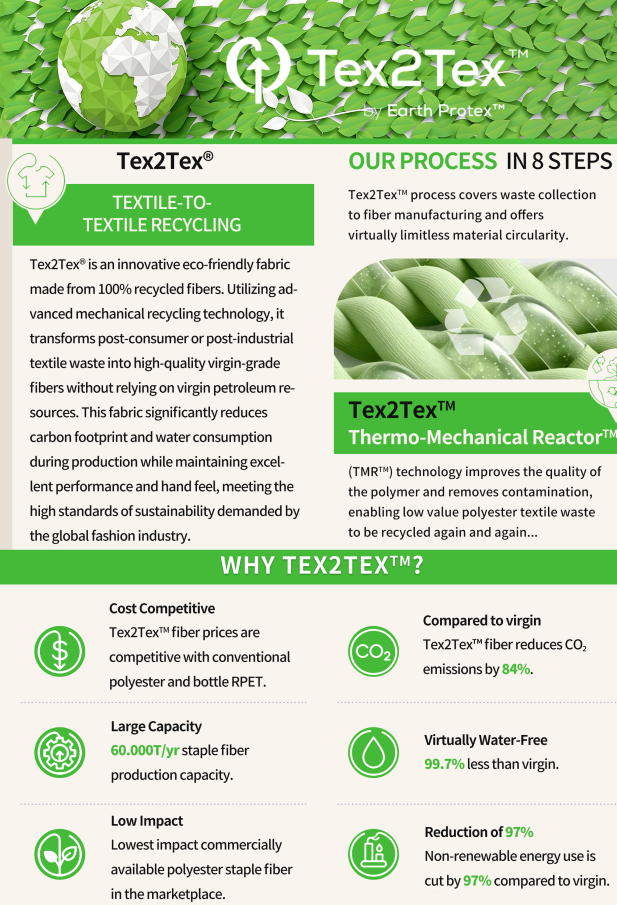
The fashion industry is at a crossroads. On one hand, demand for sustainable materials has never been higher. On the other, textile waste continues to pile up, with only a fraction being truly recycled into new garments.
Tex2Tex™: Closing the Loop on Textile Waste – Without Compromising on Quality or Cost
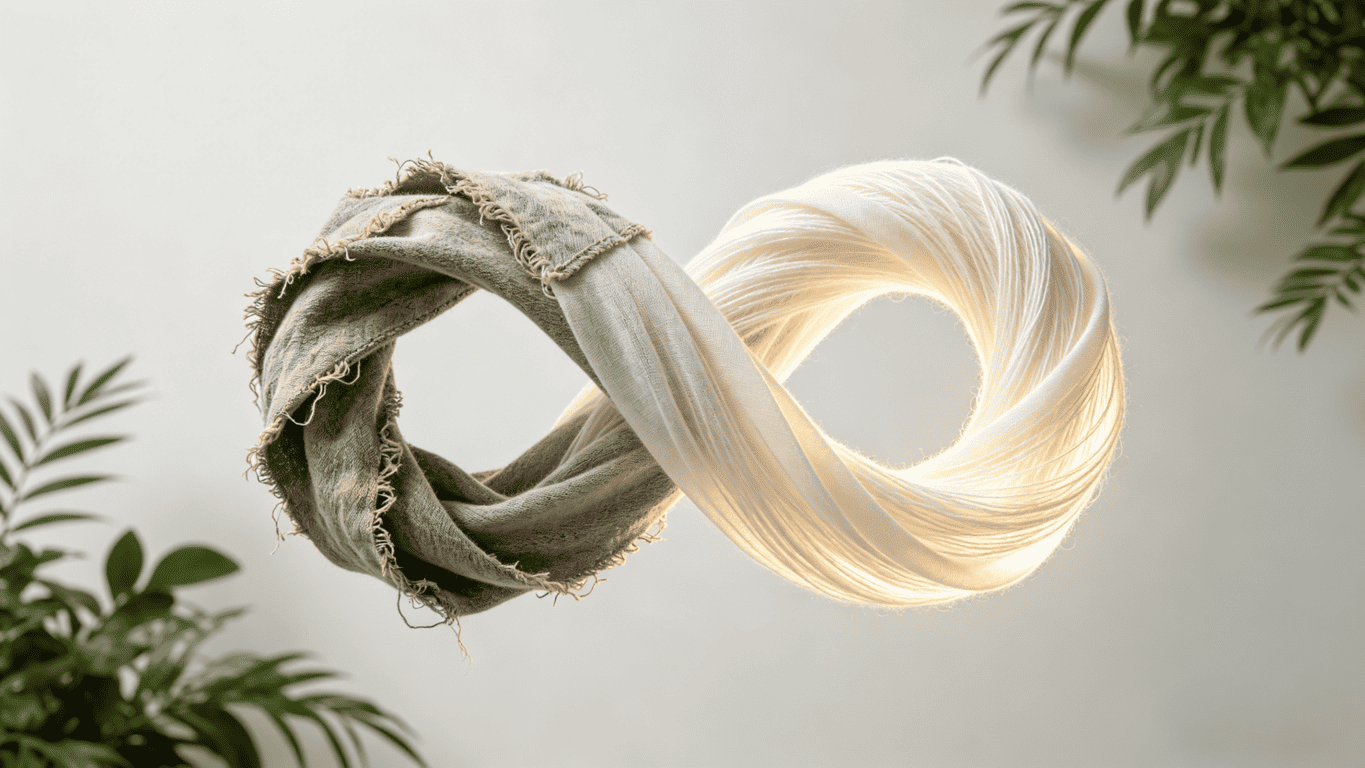
While bottle-based RPET was the first step, Textile-to-Textile (T2T) recycling represents the true "closed-loop" future. By transforming garment waste back into high-performance fibers, we offer a solution that cuts $CO_{2}$ by 84% without compromising the technical integrity of 2.5L/3L waterproof jackets.
The Next Evolution: From Recycling to Circularity