Something You Need To Know About Zippers In Outdoor Clothing
The zipper is a continuous chain of teeth that allows items to be joined or separated, and is now used in a large number of garments, bags, tents, etc.
By material
Nylon zips, resin zips, metal zips.
1. Nylon zip: invisible zip, heart piercing zip, waterproof zip with adhesive backing, non-heart piercing zip, double-bone zip, woven zip, etc. 2.
2. Resin zip: gold (silver) tooth zip, transparent zip, translucent zip, animal light-emitting zip, lei-shot zip, diamond zip.
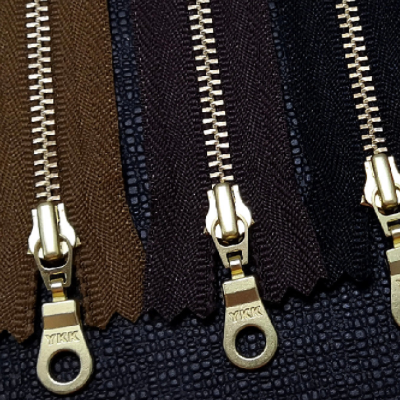
3. Metal zip: aluminum tooth zip, copper tooth zip (brass, white copper, antique copper, red copper, etc.), black nickel zip.
By species
Double Open End O
1. Closed end zip
Double open tail X type
2. Open tail zip (left or right insert)
3. Double closed tail zip (X or O)
4. Double open tail zipper (left or right insert)
5. Double open tail zipper (X or O)
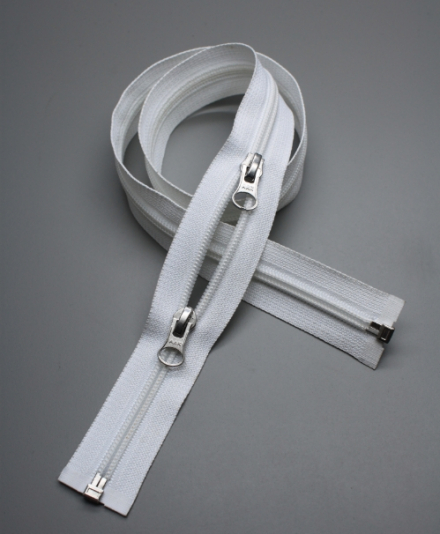
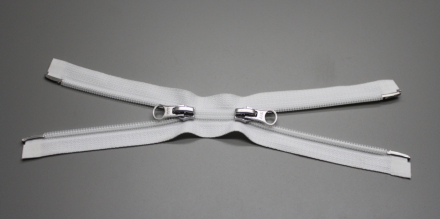
6. Single open end (left and right inserts, limited to nylon and resin, common for joint cap models)
Classification by specification
0#, 2#, 3#, 4#, 5#, 7#, 8#, 9#, 10#, 20# ....... .30#, the size of the model is proportional to the size of the zip teeth.
Zippers history
The invention of the zip originally came from the long boots that people wore. In the mid-nineteenth century, long boots were popular, especially for walking in mud or on roads with horse excrement, but the disadvantage was that they had more than 20 hook-and-loop buttons, which were extremely time-consuming to put on and take off. This disadvantage caused the inventor a lot of trouble and cost the sponsor a lot of money and patience. People even endured wearing the boots all day without taking them off in order to avoid the hassle of putting them on and taking them off.
It was not until 1893 that an American engineer called Judson developed and patented a "sliding locking device", which was the original prototype of the zip. This device was a shock to the use of buttons on tall boots. However, the invention did not catch on quickly, mainly because these early locking devices were of poor quality and could easily be loosened at inappropriate times and places, embarrassing people.
In 1913, the Swedish Sambak improved this crude locking device and turned it into a reliable commodity. The method he used was to attach metal locking teeth to a flexible shaft. This zip works on the principle that each tooth is a small hook that matches an eyelet under a small tooth on another strip next to and opposite it. This type of zip is very strong and can only be pulled open when the slider slides to open the teeth.
The zip manufacturing technology gradually spread around the world as the product spread. European countries such as Switzerland and Germany, and Asian countries such as Japan and China also began to set up zip production workshops one after another.
YKK is the originator of the zip industry and represents the industry standard. Because of the precise process, raw materials and management methods used in Japan, YKK prices are about 10 times higher than other brands of zips. YKK is still the largest market share holder in the zip industry. It is because of their irreplaceable good quality. Because of their high price and the amount of bag zips used, most backpacks do not spare YKK's zips. But Vertical Limit, which has always strived for perfection, certainly cannot afford to have any regrets on its products.
Nowadays, zips are widely used in our outdoor clothing, waterproof jackets, ski jackets, 3 in 1 jackets, 3 layer jackets, softshell jackets, padded jackets, down jackets, rain jackets, etc.
Cautions for zippers in outdoor garments
In the process of using zips on a regular basis, you will certainly encounter more or less some problems, how to solve them?
1. What should I pay attention to when using a zip?
(1) Do not use too much force when pulling the slider;
(2) When using a plug and socket, it is important to insert the plug into the bottom end of the socket cavity before pulling the slider;
2. When opening and closing a zip, sometimes the chain bites into the tape or fabric and the slider cannot be pulled, what should I do?
In this case, if you force the slider, it will bite deeper and deeper, so you should back off the slider and untie the fabric. When the zipper is fully seated, do not pull hard on the slider, but back it up slowly.
3. What should I do if my zip gets stuck?
If a jam occurs when pulling the zip, back the slider up a certain distance before pulling the zip forward, do not pull hard, otherwise the teeth will be skewed and fall off.
4. What should I do if my zip does not open and close smoothly?
If the zipper is pulled hard, the chain teeth will bite. Apply paraffin or lubricating spray to the surface and inside of the teeth, then move the slider a few times and it will slide loose.
5. What should I pay attention to when washing clothes with zips?
When washing clothes, it is advisable to keep the zip closed. This is the best way to keep the zip in place during washing. This prolongs the life of the zip and reduces wear and tear on the inside of the washing machine.
6. What should I do if the zip head gets stuck in the fabric and the zip plate breaks or the zip does not close?
Use one hand to break the jammed fabric to the sides and pivot to the back, use the other hand to pull the chain head forward, do not use too much force to prevent the zip plate from breaking, and then bring the zip back to its original state. In addition, when sewing, make sure the amount of space in the zip fabric belt so that the zip head can be used smoothly.
7. What can I do to solve the problem of colour transfer printing when placing dark coloured zips and light coloured garments together?
When storing dark coloured zips in the same polythene bag as the light coloured main material, this can be avoided by separating the zips from the main material with paper.
What Are The Waterproof Fabrics For Outdoor Clothing?
How To Choose Professional Ski Down Jackets Manufacturers For A New Wholesaler?
Related Article