Technical Features about Cycling Jacket
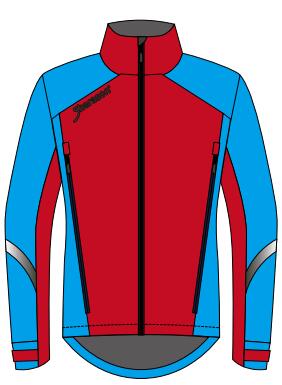
A cycling waterproof jacket is a functional outerwear specifically designed for cycling, balancing waterproofing, breathability, flexibility, and safety. Below are its key features:
1. Waterproof Performance
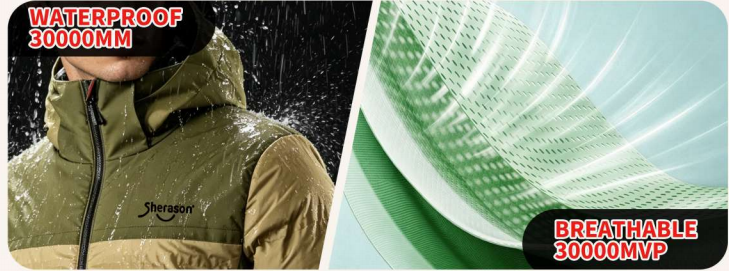
Waterproof Fabric: Uses high waterproof-rated materials (e.g., 10,000mm+ hydrostatic head) such as Gore-Tex, eVent, or Dermizax to withstand moderate to heavy rain.
Taped Seams: Critical seams are sealed with heat-bonded tape to prevent water penetration.
Waterproof Zippers: Features waterproof zippers or storm flaps to block rainwater from seeping through zipper gaps.
2. Breathability & Moisture Wicking
Breathable Membrane Technology: Utilizes microporous membranes (e.g., Gore-Tex Active) or hydrophilic coatings (e.g., Pertex Shield) to expel sweat and prevent overheating.
Pit Zips: Adjustable underarm ventilation zippers enhance airflow.
Back Ventilation: Optimized breathable zones (e.g., mesh lining or vented panels) for the hunched cycling posture.
3. Cycling-Specific Fit
Ergonomic Cut: A shorter front and longer back prevent rear exposure when bending; extended sleeves cover wrists in riding position.
Stretch Design: Articulated elbows/shoulders and elastic fabrics ensure freedom of movement.
Lightweight: Typically weighs 200–400g to minimize riding burden.
4. Safety & Visibility
Reflective Elements: Reflective strips/prints on cuffs, back, and hem improve nighttime visibility.
High-Vis Colors: Bright hues like fluorescent yellow or orange enhance daytime recognition.
Helmet-Compatible Hood: A rear collar accommodates helmets, blocking rain from dripping inside.
5. Practical Details
Adjustable Hem/Cuffs: Prevents wind or rain entry.
Hidden Pockets: Waterproof side or chest pockets for quick access to phones/gels.
Backpack-Compatible: Rear design prevents riding-up when wearing a cycling backpack.
6. Durability & Easy Care
Tear-Resistant Fabric: Nylon/polyester blends resist abrasion from branches or falls.
Easy Cleaning: Most are machine-washable; periodic DWR spray restores water repellency.
7. Seasonal Adaptability
Spring/Fall: Lightweight and breathable for drizzles and cool weather.
Winter: Lined or compatible with mid-layers for warmth.
Buying Tips
Prioritize Needs: Choose waterproof/breathability levels based on riding conditions (commuting/off-road/long-distance).
Fit Test: Simulate cycling posture to check sleeve length and back coverage.
Features of Cycling Insulated Jackets
The Ultimate Guide to High-Performance Outdoor Apparel: Innovation Meets Durability
Related Article