The Function and Structure of Ski Wear

What is the function of ski wear?
1. Waterproof
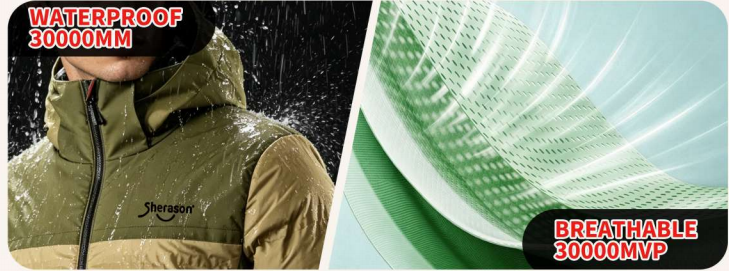
When skiing, you spend most of your time dealing with ice and snow. Snow will definitely stick to the skiing process, and the snow left on the clothes will melt quickly. If the ski jacket and ski pants is not waterproof, the snow water is likely to penetrate the clothes, making the skier uncomfortable or causing illness.
2. Windproof
It can be said that the windproof function of ski clothing is an important indicator of its warmth. When you are skiing down the slopes at high speed and the wind is howling, you will understand why windproof function is important for a piece of clothing. Ski clothing can be very important.
3. Breathable
Skiing is a relatively strenuous sport, which consumes a lot of calories and increases sweating. If the sweat cannot be discharged in time, it will make the underwear soaked. Sweating in cold weather is not good. Especially when the skier is sitting on the car or relatively still, the sweat will condense in the clothes, and the condensed water will quickly freeze. At this time, if you continue to stay still, there is a risk of frostbite.
The structure of ski suit:
1. Cutting
Ski suits are generally cut in a better way, such as draping. A ski suit that is too tight will restrict the gliding movement when skiing, while a good ski suit should feel comfortable and loose when worn. Generally speaking, the front of the ski suit should be slightly longer than the wrist when you stretch your arms straight. At this time, there should be no tightness or other discomfort in the armpits, because the upper limbs will be in a wider range when skiing. In the full range of motion, it is especially suitable for beginners.
2. Filling
The material of the filling determines the warmth retention of the ski suit, and also affects the weight, breathability and comfort of the ski suit. At present, most ski suits use hollow cotton or DuPont cotton with good heat retention.
3. Neckline
The collar of the ski suit is designed with an upright high collar, which can effectively prevent the entry of cold air. It is also worth noting that the hood of some ski suits can be retracted into the collar, causing the shape of the collar to change and affecting the comfort of the collar. For example, some ski suits will swell after the hood is retracted into the collar, making the neck uncomfortable; the collar of some ski suits will not fit tightly against the skin because the hood becomes thinner when taking off the hood, making it easy for cold air to enter, reducing the warmth of the clothes. Gender.
4. Cuffs
The cuffs of ski suits should be designed as collars and should be adjustable in tightness. Better ski suits should also have hand guards to enhance the cuffs' wind resistance and prevent snow from entering.
5. Zipper
The zipper head of the ski suit should be as large as possible to facilitate pulling when wearing gloves. At the same time, the seam design around the zipper should be simple and reasonable to avoid being cumbersome, so as to avoid pinching the lining when pulling the zipper. Of course, as outdoor sportswear, the zipper of the ski suit should also be strong and durable.
6. Placket
The zipper on the collar of the ski suit should be waterproof and windproof.
7. Waist
For two-piece ski suits (tops), a waist design is a must, and there should be a drawstring or belt when tightening to effectively prevent the entry of cold air and snow.
8. Color
In terms of color, red, orange, yellow and other colors that contrast with white will make the wearer look more eye-catching. At the same time, it can also increase the dynamic feeling when skiing. However, in recent years, more simple color trends such as dark green and dark gray have gradually emerged.
What are the fabrics for ski wear?
Ski wer fabrics are generally made of GORE-TEX and nylon. The outer layer of the ski suit is made of highly waterproof, breathable, windproof, wear-resistant and tear-resistant fabrics with a strong texture. The inner layer of thermal insulation material is usually silk cotton or DuPont cotton with good thermal insulation properties, which can comprehensively improve the thermal insulation and breathability of the ski suit and provide good thermal insulation conditions for skiers riding the cableway.
Since most ski resorts have low temperatures, strong winds and hard snow, from the perspective of clothing materials, ski suit fabrics use windproof nylon or tear-proof materials. Most skiers would prefer to wear GORE-TEX fabrics with excellent waterproof, windproof and breathable properties in severe snowstorms.
What Are the Characteristics of Dupont Cotton?
Water Repellent and Water Proof, Can You Really Distinguish Between Them?
Related Article