The International Day for the Preservation of the Ozone Layer

The International Day for the Preservation of the Ozone Layer is celebrated on 9.16 every year to commemorate the signing of the Montreal Protocol on Substances that Deplete the Ozone Layer in 1987 and to emphasize the importance of protecting the ozone layer. This day reminds the world to focus on the problem of ozone layer depletion and to act together to reduce the emission of harmful substances and protect the earth's ecosystem.
Sherason has always been committed to recyclable fabrics, and also adopts C0 in DWR grade. We are more willing to choose to protect our home planet than abusing resources for profit, and we believe that there will be a group of like-minded partners with us.
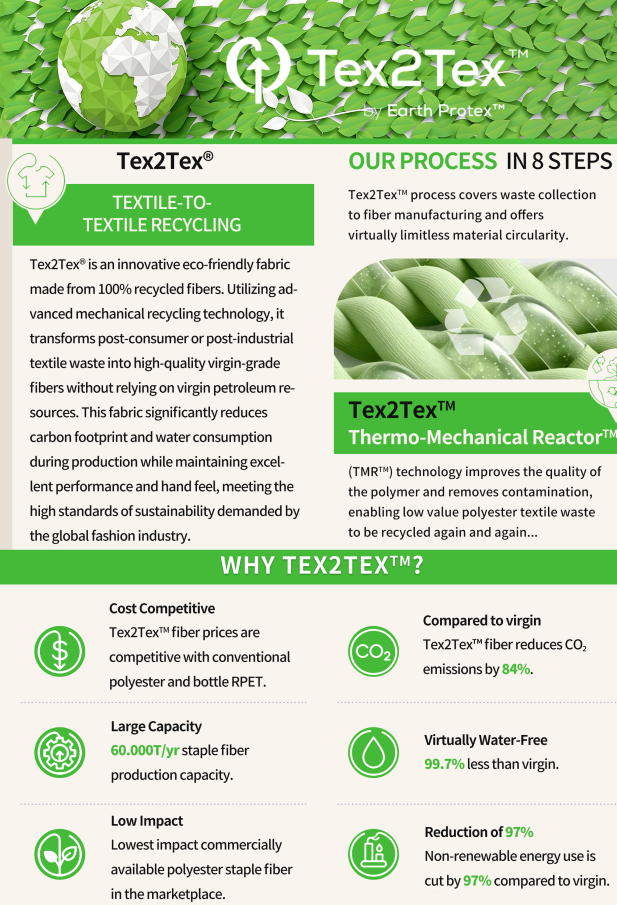
Clothing recyclable fabrics are fabrics that use environmentally friendly materials or raw materials in the production process, and the fabric can be recycled or reused after use. This kind of fabric is characterized by the reduction of pollution and waste to the environment, which is in line with the requirements of modern society for environmental protection. It not only helps to reduce energy and water consumption in the production process, but also reduces the use of chemicals, thus reducing the burden on the environment.
The preparation of recyclable fabrics for garments requires several steps, including screening, decomposition, reduction and purification. First, waste textiles are screened and then decomposed in various ways, such as physical or chemical methods, to break down the waste textiles into fibers. Next, the renewable fibers are processed into renewable fabrics through the textile process. Such fabrics offer a significant improvement in environmental performance compared to traditional textiles.
The use of recyclable fabrics for apparel not only helps the environment, but also has significant commercial value. As consumers become more environmentally conscious, more and more of them tend to choose products made of environmentally friendly materials. Therefore, apparel brands and products that use recycled fabrics are more likely to attract environmentally conscious consumers, thus enhancing brand image and market competitiveness.
In the future, the market for recyclable fabrics for garments will be broader. With the popularization of environmental awareness and technological progress, the preparation technology of recyclable fabrics will be more mature and perfect. This will make recyclable fabrics closer to or even beyond traditional textiles in terms of performance, so as to better meet the needs of consumers. At the same time, with the increase of capital support and policy promotion, recyclable fabric industry will usher in faster development.
In conclusion, garment recyclable fabric is an environmentally friendly and sustainable material, which has important environmental significance and commercial value in the modern garment manufacturing industry. In the future, with the progress of technology and market expansion, recyclable fabrics will play a more important role in the garment industry.
Celebratioln to World Tourism Day
Climbing Attire: A Guide to Picking the Perfect Gear for Your Ascent
Related Article