
The Various Types of Cotton in Cotton-Padded Clothes
author: Lemon Lin
2025-02-06

1. Pure Cotton (Cotton)
Pure cotton is derived from the cotton plant and is known for its moisture absorption, heat resistance, and alkaline resistance. However, it tends to wrinkle and shrink easily, so it requires special care to prevent mildew. Despite these drawbacks, pure cotton remains a popular choice for its comfort and breathability.
2. Combed Cotton (Highly Combed Cotton)
Combed cotton undergoes a special process using a combing machine, which removes shorter fibers and impurities, resulting in a smoother and finer fabric. It offers excellent moisture absorption and a sleek touch, making it ideal for high-end cotton-padded clothes. However, its price is slightly higher due to the extra processing step.
3. Knitted Cotton (Knitted Fabric Cotton)
Knitted cotton is a versatile fabric known for its lightweight, elasticity, and moisture absorption. It's breathable and comfortable, making it perfect for various styles of cotton-padded clothes. However, it's prone to snags and pilling, so it requires careful handling.
4. Washed Cotton (Pre-Washed Cotton)
Washed cotton undergoes a high-temperature pre-washing process, which gives it excellent shape retention and colorfastness. It's warm and breathable, making it ideal for winter wear. However, its high cost and relatively poor durability are some drawbacks to consider.
5. Organic Cotton (Organic Cotton)
Organic cotton is grown without the use of synthetic pesticides and fertilizers, making it an environmentally friendly choice. It's durable, antimicrobial, and has excellent drape. However, its price is higher due to the specialized farming practices required.
6. Mercerized Cotton (Mercerized Cotton)
Mercerized cotton is treated with a process that adds lycra, giving it a high gloss and smooth finish. It's wrinkle-resistant and excels at wicking away sweat. However, it's not suitable for acidic environments.
7. Lycra Cotton (Lycra Cotton Blend)
Lycra cotton is a blend that combines the stretchability of lycra with the comfort of cotton. It's wrinkle-resistant, easy to care for, and maintains its shape well. However, its breathability is moderate compared to other types of cotton.
8. Ice Cotton (Ice-Feel Cotton)
Ice cotton is coated with a PU layer, making it feel cool and breathable. It's excellent at moisture absorption, but it's prone to mildew if not properly cared for.
9. Polyester Cotton (Poly-Cotton Blend)
While not purely cotton, polyester-cotton blends are common in cotton-padded clothes due to their durability and wrinkle resistance. They offer a good balance of warmth and breathability, making them a practical choice for various weather conditions.
In conclusion, the variety of cotton types used in cotton-padded clothes offers a wide range of options to suit different needs and preferences. Whether you're looking for comfort, durability, or a unique aesthetic, there's a type of cotton out there that's perfect for you. Choose wisely and stay warm and stylish this winter!
Different Levels of Fabric Pilling
Choosing the Perfect Waterproof Jacket: Your Ultimate Guide
Related Article

"Maintains Level 4 water repellency even after 10 washes." For consumers, this is both a quality promise and a technical mystery—how is such lasting waterproof performance achieved? This article delves into the technical principles and key processes behind it.
How Can Waterproof Fabric Maintain Level 4 Water Repellency After 10 Washes?
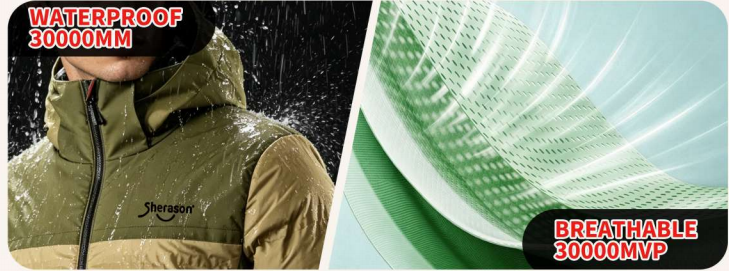
Our advanced materials deliver up to 30K waterproof and 30K breathable performance, ensuring maximum protection from rain, snow, and wind while maintaining superior comfort and moisture control
Premium Men’s Ski Jacket – Built for Extreme Winter Performance
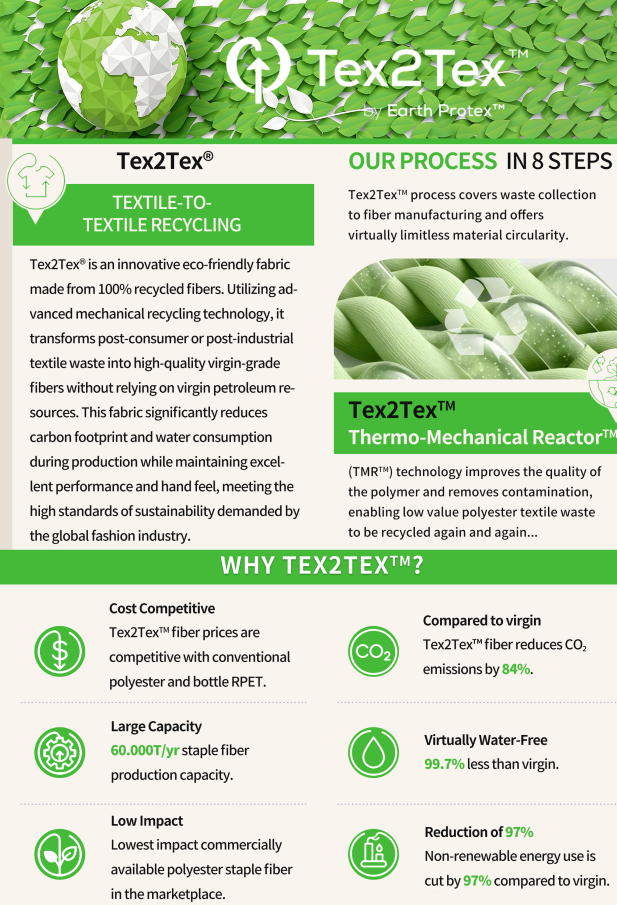
The fashion industry is at a crossroads. On one hand, demand for sustainable materials has never been higher. On the other, textile waste continues to pile up, with only a fraction being truly recycled into new garments.
Tex2Tex™: Closing the Loop on Textile Waste – Without Compromising on Quality or Cost
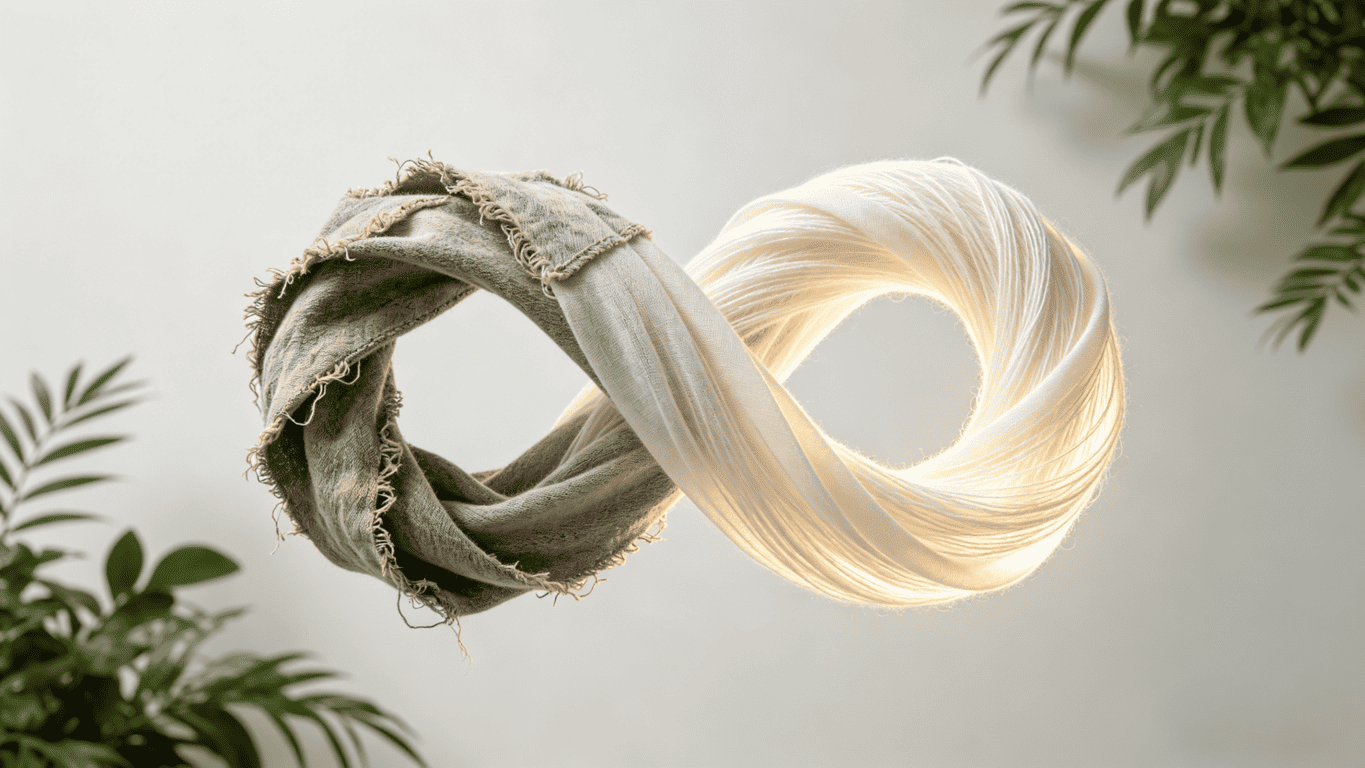
While bottle-based RPET was the first step, Textile-to-Textile (T2T) recycling represents the true "closed-loop" future. By transforming garment waste back into high-performance fibers, we offer a solution that cuts $CO_{2}$ by 84% without compromising the technical integrity of 2.5L/3L waterproof jackets.
The Next Evolution: From Recycling to Circularity