
Unraveling the Mystery Behind Clothing Size Measurement
author: Lemon Lin
2024-12-20


Body Measurements: The Foundation
It all starts with understanding the fundamental dimensions of the human body. Key measurements include bust (the circumference around the fullest part of the chest), waist (the narrowest point around the abdomen), hip (the circumference around the fullest part of the buttocks), and height (the vertical distance from the top of the head to the sole of the foot). These measurements are the cornerstone for determining what size will best fit an individual.
Size Charts: Bridging the Gap
Manufacturers and retailers use size charts to translate body measurements into standardized clothing sizes. These charts list numerical ranges for each body measurement, corresponding to specific size labels (e.g., Small, Medium, Large). Size charts vary slightly between brands and countries, reflecting differences in sizing standards and consumer preferences.
Fit Variations: The Art of Tailoring
Beyond the numbers, the fit of a garment also depends on its pattern and design. Different brands may use unique patterns and fabrics that influence how a size fits. For instance, a brand known for its slim-fitting jeans might have a size Small that fits tighter than a size Small from a brand that specializes in relaxed-fit clothing.
Personal Preferences and Adjustments
Personal taste and comfort levels play a significant role in size selection. Some people prefer a looser fit for comfort, while others opt for a snugger fit to showcase their body shape. Additionally, features like stretch fabrics and adjustable hems offer further customization, allowing individuals to fine-tune the fit to their liking.
Technological Advancements
In recent years, technology has revolutionized the sizing process. 3D body scanning technology, for example, captures precise measurements of a person's body shape, enabling more accurate size recommendations. Virtual fitting rooms and augmented reality (AR) tools allow shoppers to visualize how clothes will fit before making a purchase.
Conclusion: Finding Your Perfect Fit
Navigating the world of clothing sizes can be challenging, but with the right knowledge and tools, finding the perfect fit becomes less daunting. Understanding your body measurements, consulting size charts, considering brand-specific sizing, and embracing personal preferences will guide you toward clothing that not only fits well but also enhances your confidence and style.
In essence, clothing size measurement is a meticulous blend of science and personalization, evolving continuously to meet the diverse needs and preferences of consumers worldwide. With each technological advancement and increasing consumer awareness, the journey to finding the perfect fit becomes more seamless and enjoyable.
Down Jackets Change Color?Do You Know About Temperature-Sensitive Color-Changing Down Jacket Fabrics?
Merry Christmas! Warm Greetings from Sherason
Related Article

"Maintains Level 4 water repellency even after 10 washes." For consumers, this is both a quality promise and a technical mystery—how is such lasting waterproof performance achieved? This article delves into the technical principles and key processes behind it.
How Can Waterproof Fabric Maintain Level 4 Water Repellency After 10 Washes?
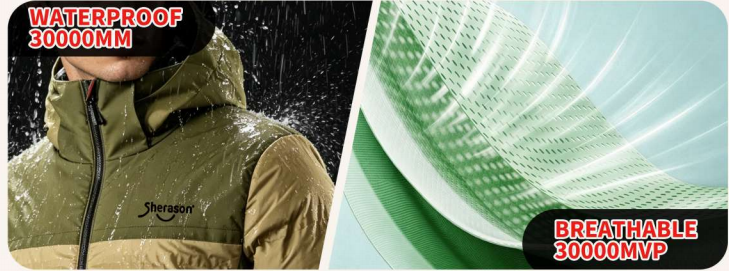
Our advanced materials deliver up to 30K waterproof and 30K breathable performance, ensuring maximum protection from rain, snow, and wind while maintaining superior comfort and moisture control
Premium Men’s Ski Jacket – Built for Extreme Winter Performance
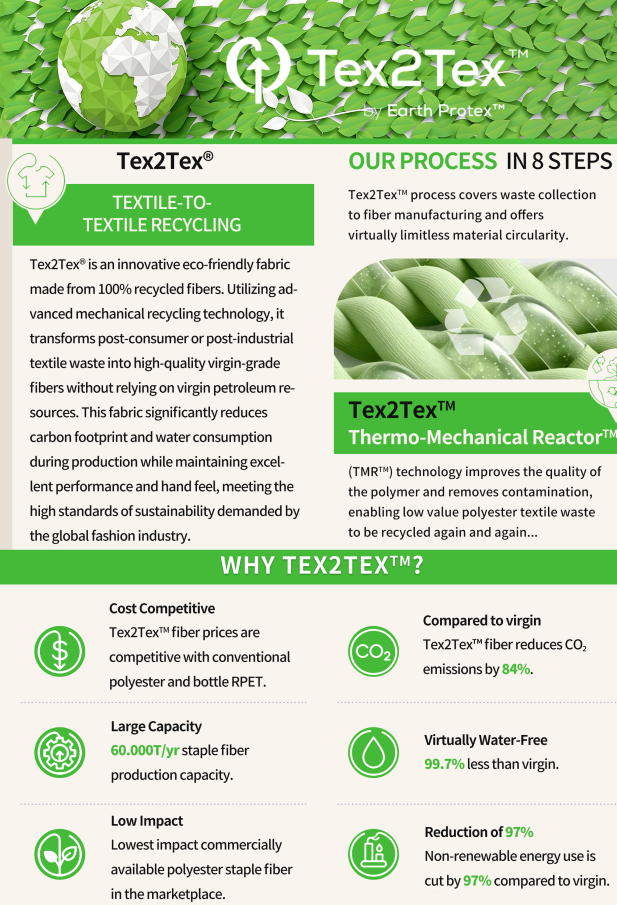
The fashion industry is at a crossroads. On one hand, demand for sustainable materials has never been higher. On the other, textile waste continues to pile up, with only a fraction being truly recycled into new garments.
Tex2Tex™: Closing the Loop on Textile Waste – Without Compromising on Quality or Cost

While bottle-based RPET was the first step, Textile-to-Textile (T2T) recycling represents the true "closed-loop" future. By transforming garment waste back into high-performance fibers, we offer a solution that cuts $CO_{2}$ by 84% without compromising the technical integrity of 2.5L/3L waterproof jackets.
The Next Evolution: From Recycling to Circularity