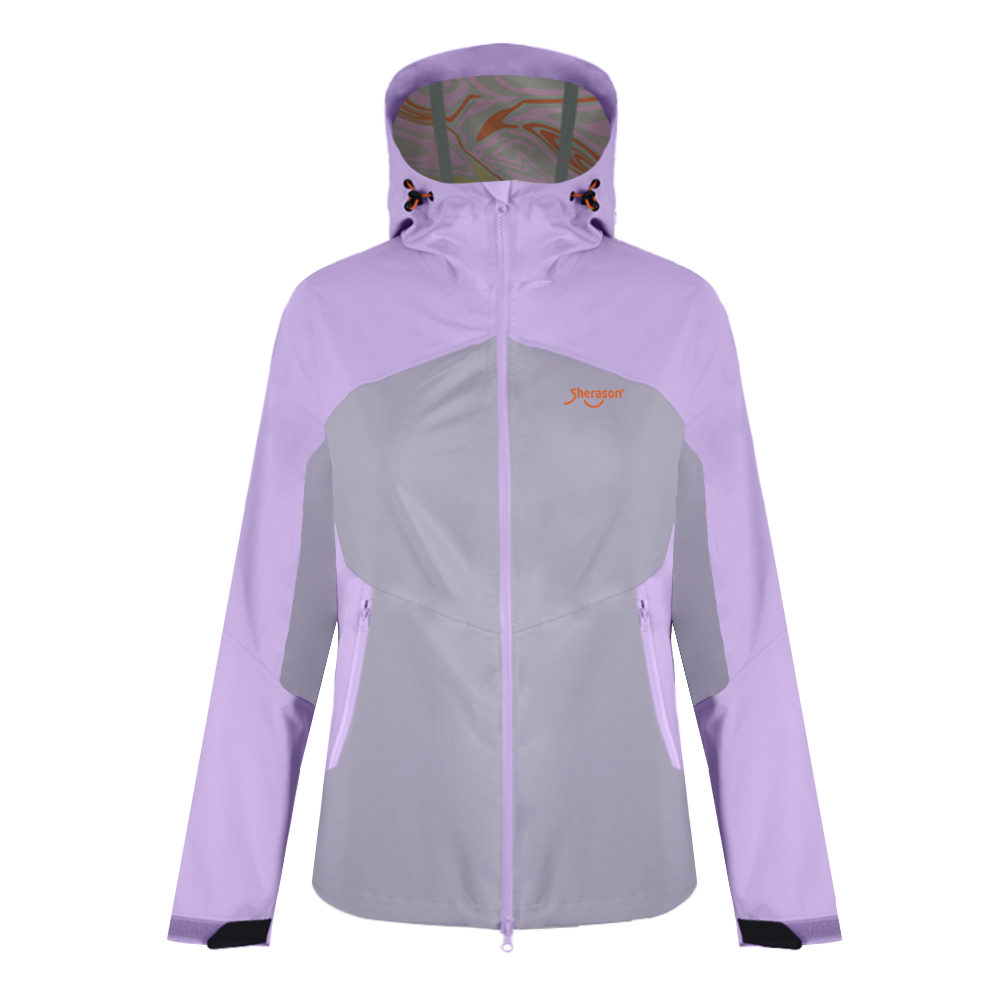
Tips For Washingyour Ski Jacket

Regardless of whether you engage in skiing or snowboarding, after several weeks of use, your jacket will inevitably accumulate stains and odors. Having gone through numerous seasons of improperly cleaning my jackets, and after numerous jackets, here is what you need to know about washing ski jackets:
It is not only permissible but also advisable to wash your ski and snowboard jackets. Typically, most people wash theirs once during the season and once more after it ends. Beyond merely eliminating odors and stains, washing your jacket offers several performance benefits, including enhancing its waterproofing capabilities, breathability, and overall longevity.
Perhaps this is self-evident, but if you don't want to prematurely replace your ski or snowboard jacket, it's crucial to adhere to the manufacturer's care label instructions. However, contrary to what many people believe, washing your ski and snowboard jacket is actually beneficial – and here's the reasoning behind it.
-
Prolong the Lifespan of Your Ski Jacket
Improper maintenance can cause any type of technical outerwear to lose its effectiveness. Continuous use wears down jackets, damaging the fabric.Washing your ski jacket removes dirt, salt, oils, and other residues that contribute to this deterioration. In essence, it aids in extending the lifespan of your jacket.
Surprisingly, some individuals wear the same jacket year after year without ever washing it. While they may present the appearance and scent of a seasoned skier or snowboarder, the real issue is that their jacket is unable to fulfill its intended purpose. The jacket serves as the first barrier against snow, moisture, and wind.
If compromised, these conditions can result in an uncomfortable experience at best and serious health consequences at worst. While the general rule of thumb is to wash your jacket once during the season and once after, wash it as needed. If you frequent the slopes often during the season, consider washing it every few weeks or after every new stain.
-
Restore "Like-New" Water Resistance
Maintaining your jacket's waterproof capabilities is essential for any ski jacket maintenance. As your outer layer in snowy conditions, this is crucial for withstanding the elements of the mountain.Without adequate cleaning and care, you will gradually lose your jacket's water resistance and waterproofing features. It's important to note that these are two distinct qualities. Water-resistant treatments prevent water or snow from being absorbed into the fibers, while waterproof items have a barrier that prevents water from penetrating, graded on a scale of waterproofness.
DWR (Durable Water Repellent) is a popular coating applied to nearly all types of water-rated outerwear.
Your ski jacket is your trusted companion on the slopes, keeping you warm, dry, and shielded from the elements. However, after several seasons of wear and tear, even the best jacket will begin to lose its waterproof qualities due to the accumulation of oils, dirt, and stains that clog and degrade the DWR coating.
As your jacket ages, its waterproofness decreases, akin to a phone's battery life diminishing over time. Similarly, the repellency of your jacket has a shelf life, and after numerous uses and wash cycles over the years, you may need to replace it. Although aftermarket alternatives exist, a new jacket is generally the most effective solution.
So, treat your jacket well to ensure it retains its performance for another season.
-
Maintain Breathability
If you ski or snowboard, you understand that staying warm isn't always the objective. The real goal is maintaining a comfortable temperature that adapts to your body's needs.The breathability of your jacket is a crucial factor in maintaining a comfortable temperature. Regular and proper washing is essential to preserve your jacket's breathability, as neglecting it can compromise this feature over time, potentially leading to irreparable damage.
To understand how breathability works in your ski or snowboard jacket, think of your skin. Your pores, when functioning properly, help moisturize your skin. When clogged, they lose this capability.
Similarly, your jacket is covered with millions of pores per square inch that allow air to move through membranes and provide breathability. Just like clogged pores on your skin, blocked pores on your jacket can lead to a loss of breathability, and your jacket can quickly become covered in oils and dirt after just a few uses.
Riding the Waves of Adventure: An Unforgettable Surfing Journey
What is The Best Clothing to Wear for Hunting?
Related Article
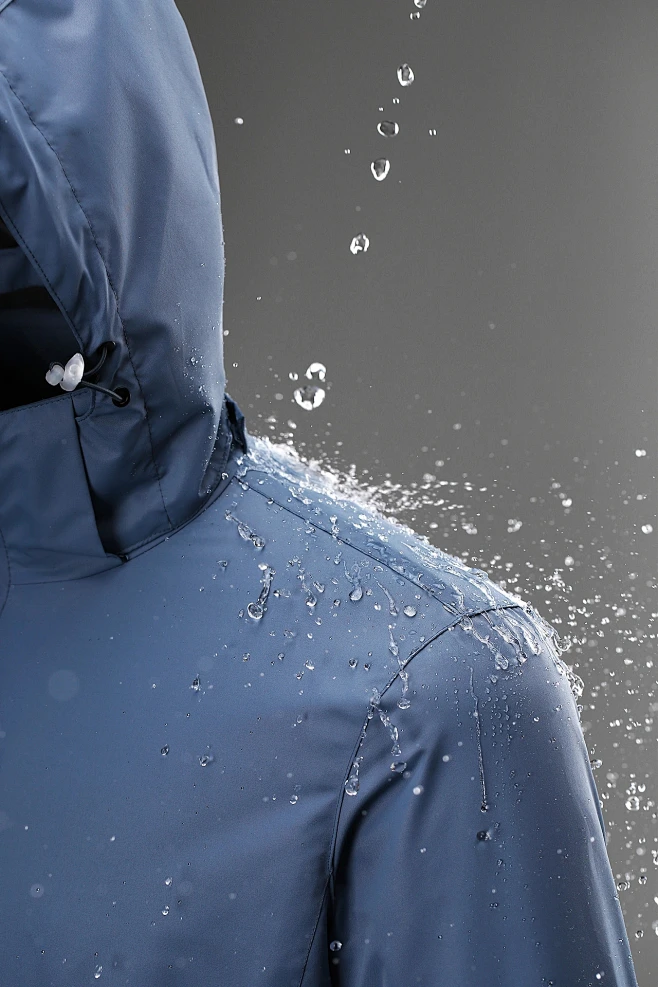
If you've been hanging your expensive gear on the balcony under direct sunlight, you need to read this.
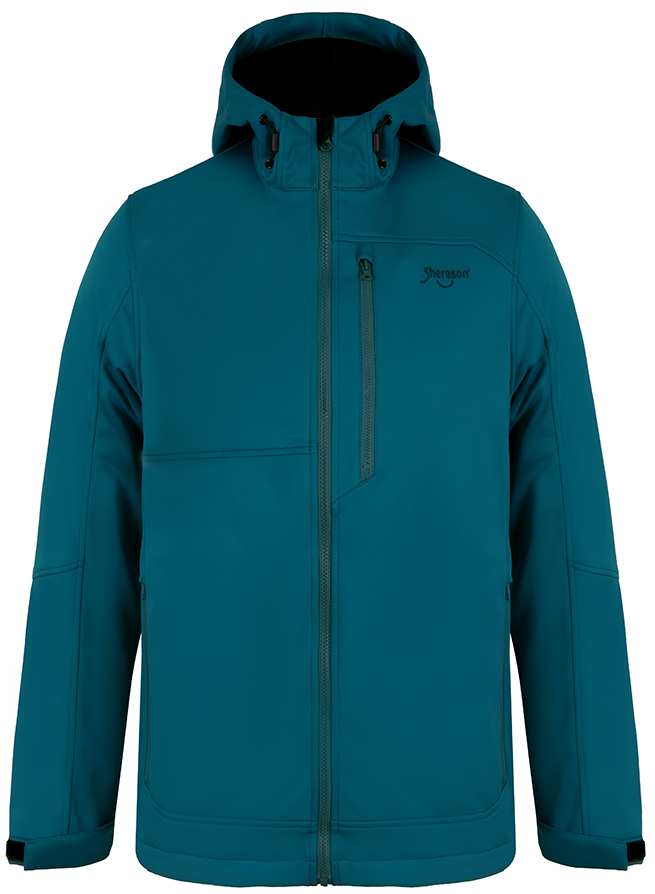
"If softshells are windproof and water-repellent, why can't they be fully waterproof like hardshell jackets?"