Color Evolution: How Outdoor Clothing Rewrites the Laws of Survival with Color
High Visibility: An Extra Layer of Safety
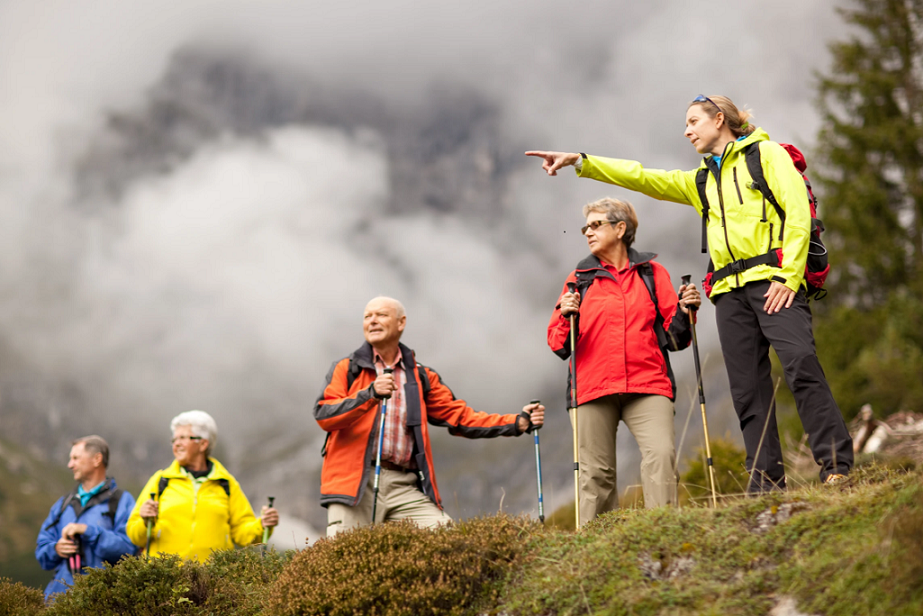
Picture this: you’re hiking through a misty mountain trail at dawn or cycling along a forested path at dusk. In moments like these, a brightly colored piece of outdoor clothing could be the “protective line” between you and an accident. Fluorescent yellow, vivid orange, or bold red—these high-visibility hues don’t just stand out; they grab attention instantly in low-light conditions. Studies show that outdoor enthusiasts wearing high-visibility clothing are far more likely to be spotted by vehicles or companions, especially in rain, fog, or darkness when visibility is poor.
For instance, many professional mountaineers or trail runners opt for fluorescent jackets with reflective strips. These designs shine during the day and, at night, reflect light to boost safety even further. So, next time you’re picking out outdoor gear, consider something “eye-catching”—it might just be the most thoughtful “guardian” on your adventure.
Heat Absorption and Dissipation: The “Temperature Magic” of Color
Beyond safety, color also impacts the functionality of outdoor clothing, particularly when it comes to temperature regulation. Different colors absorb and reflect sunlight in distinct ways, directly affecting whether you’ll feel “sweaty and overheated” or “cool and comfortable” outdoors.
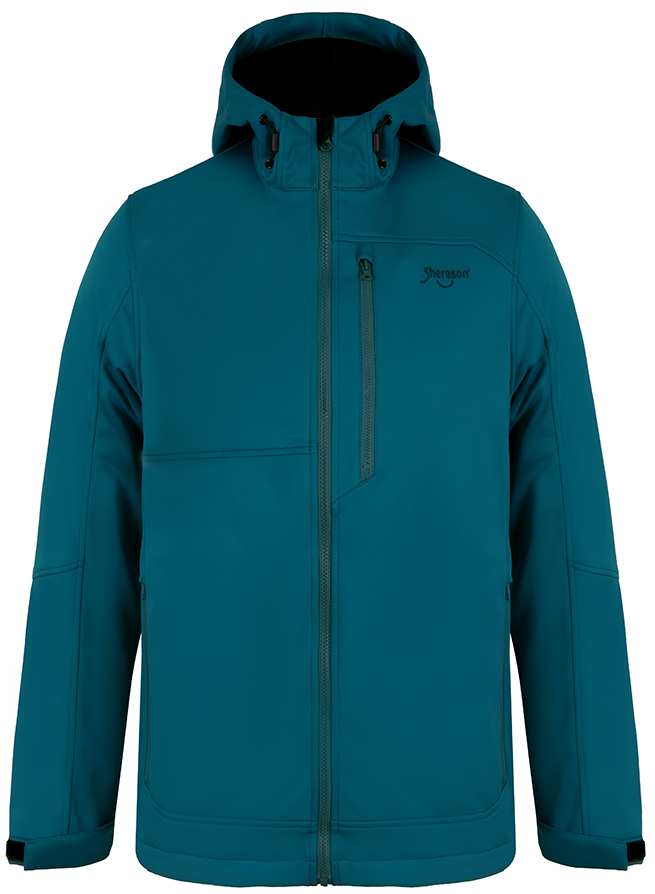
Dark colors like black, navy, or forest green may exude understated style but tend to soak up heat. In cold winters or high-altitude areas, this trait helps trap warmth, keeping you cozy against the chill. However, in scorching summer months, dark clothing can turn you into a “walking oven.” On the flip side, light colors—white, pale gray, or beige—reflect sunlight effectively, reducing heat absorption. They’re perfect for desert treks or sweltering campsite days.
Interestingly, some premium outdoor brands have introduced “smart color” technologies, like special coatings that allow dark fabrics to reflect infrared rays. This keeps the stylish look intact while enhancing heat dissipation. The fusion of color and technology makes you marvel: a piece of clothing can be this “clever”!
Blending In or Standing Out: The Balance of Psychology and Practicality
Of course, choosing the color of outdoor clothing also involves psychological and environmental factors. For those who enjoy wildlife photography or observing animals, earthy tones like olive green, khaki, or brown are ideal—they help you blend into nature without startling creatures. Meanwhile, for those who crave individuality or group activities, vibrant reds, blues, or color-block designs radiate energy and make it easy for teammates to spot you in vast wilderness.
Whether you’re a “low-key” explorer or a “bold” adventurer, the best choice is what suits you. After all, outdoor pursuits are as much a physical challenge as they are a mental escape. A garment that balances function and style can make that experience even more fulfilling.
Conclusion: Color Makes the Outdoors More Vibrant
Next time you’re shopping for outdoor clothing, ask yourself: Do I need higher visibility? Will this trip be colder or hotter? Do I want to blend into nature or stand out? The answers will guide you to your perfect color match. The hues of outdoor clothing are never just decorative—they’re your invisible allies for safety and comfort, and a unique language for connecting with nature.
So, slip into your “signature color” and set off into the mountains, rivers, and seas for an adventure that’s both safe and stylish!
Sherason Supplier: Multi-scenario applications and customization of waterproof jackets
How to Wash Waterproof Jackets Without Ruining Them?
Related Article
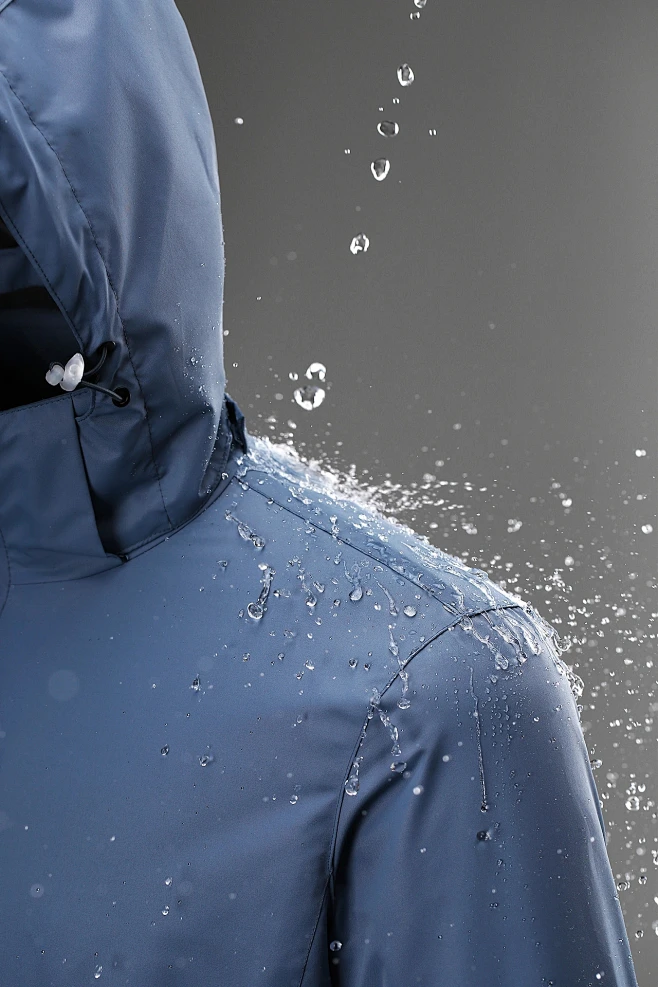
If you've been hanging your expensive gear on the balcony under direct sunlight, you need to read this.
"If softshells are windproof and water-repellent, why can't they be fully waterproof like hardshell jackets?"