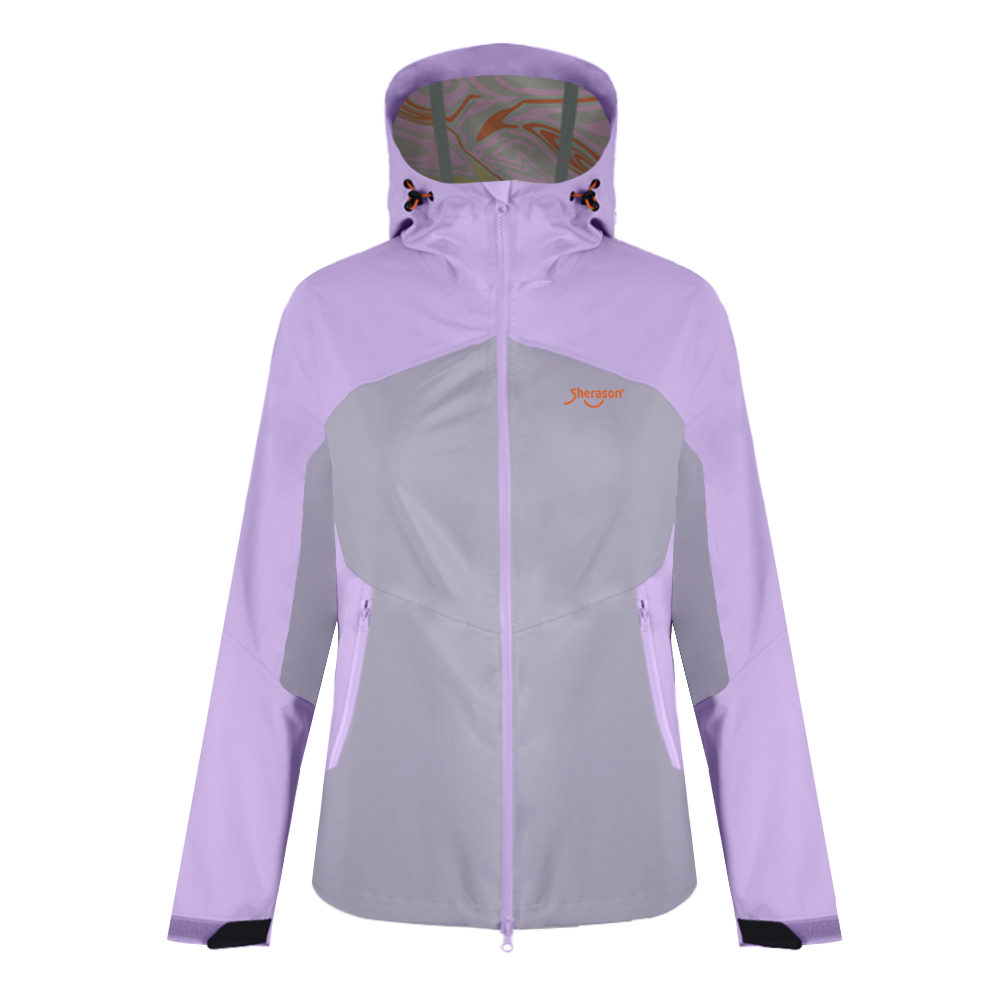
How to choose suitable clothing for different outdoor activities?
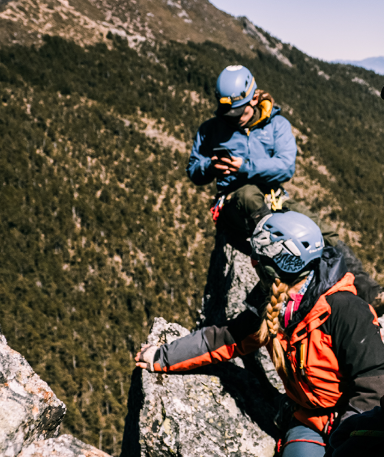
Hiking: lightweight, breathable and adaptable to changing terrain
Hiking involves long hours of walking in changing terrain and weather, and the tops and pants need to be lightweight, breathable and durable to ensure comfort and mobility.
Functionality
1.Breathability and wicking: Hiking involves a lot of sweating, so tops and pants need to wick away moisture quickly to keep you dry.
2.Layering: The top needs to be able to support “three layers” (inner layer for wicking, middle layer for warmth, and outer layer for windproof and waterproof), and the pants need to be flexible to cope with temperature differences.
3.Abrasion Resistance and Flexibility: pants need to be abrasion-resistant and adaptable to rocky and muddy terrain; tops need to provide freedom of movement.
Selection Points
In the choice of tops, focus on windproof and waterproof rushing jacket (such as Gore-Tex fabric) with adjustable hood and breathable zipper to cope with the wind and rain; for pants, choose quick-drying hiking pants or softshell pants, and give preference to styles with elastic fibers (such as Spandex) to make it easy to stride and crouch; choose abrasion-resistant fabrics (such as nylon blended fabrics) with thickening at knees and hips to enhance durability; or styles with multifunctional pockets to make it easy to carry small items. Choose durable fabrics (e.g. nylon blends) with thickened knees and hips for added durability, or styles with multifunctional pockets for easy carrying of small items.
Recommended scenarios: From short excursions to multi-day treks, lightweight and hardwearing tops and pants let you focus on the scenery and tackle the elements with ease.
Climbing: fit and flexibility,abrasion resistant protection
Climbing is a high-intensity, extreme sport, and tops and pants need to be highly flexible, fit well and be abrasion-resistant in order to accommodate large movements and friction on the rock face.
Functionality
1. High elasticity: tops and pants need to fit snugly without restricting movement, to accommodate arm extension and leg elevation.
2. Abrasion and tear resistance: rock face friction is frequent, materials need to be tough and thickened in key areas.
3. Breathable and lightweight: quick perspiration to reduce the stuffiness of climbing.
Selection points
Tops can choose tight stretch T-shirt or long-sleeved sweatshirt, recommended nylon blend or polyester fiber material, both elasticity and abrasion resistance, long-sleeved models can protect the arm from abrasion, the cuffs need to be designed to fit, to avoid slipping, try to choose seamless or flat sewing process, to reduce friction discomfort. Pants, choose climbing pants or high elastic leggings, knees and hips need to be thickened wear-resistant layer, to extend the service life, and at the same time to ensure that the pants fit but not binding, crotch three-dimensional tailoring, to increase the degree of freedom of movement; give priority to choose the style with elastic waistband, easy to take off and adjust.
Recommended scenarios: Whether you are in an indoor rock gym or on an outdoor rock wall, the close-fitting and wear-resistant tops and pants will help you to launch your force accurately and challenge every height safely.
Skiing: warmth, waterproofing, flexibility and protection
Skiing takes place at low temperatures and high speeds, and tops and pants need to focus on warmth, waterproofing and protection against cold, wetness and the risk of falls.

Functionality
1. Warmth: tops and pants need to lock in body heat and prevent hypothermia.
2. Waterproof and windproof: block snow and water penetration and protect against strong winds.
3. Breathable and flexible: expel sweat generated by exercise and keep you dry while ensuring freedom of movement.
Selection points
1. Tops: you can start from three angles. Inner layer: merino wool or synthetic fiber thermal underwear, taking into account perspiration and heat preservation. Midlayer: Fleece top or light down jacket for warmth and easy layering. Outer layer: waterproof and breathable ski jacket (e.g. Gore-Tex) with multiple pockets and a snow skirt to keep snow out. For pants, choose waterproof ski pants with built-in knee pads or padded layers for protection in case of a fall; choose styles with stretch material to ensure flexibility when squatting and sliding, and adjustable suspenders or waistbands to prevent pants from slipping off.
Recommended Scenario: When you are speeding down the snowy trail, the warm and waterproof top and pants allow you to enjoy the speed and passion without fear of the cold.
General advice: prioritize function, win with details
Regardless of the type of activity, the selection of tops and pants should follow the following principles:
1. Choose Professional Materials: Prioritize functional fabrics from well-known brands for better breathability, waterproofing and abrasion resistance.
2. Try on to ensure a good fit: tops and pants need to fit well but not tightly, and simulate the movement of the activity when trying them on to confirm flexibility.
3. Pay attention to weather and terrain: Adjust the number of layers of tops and thickness of pants according to the activity environment to cope with changing conditions.
4. Focus on the environment: Choose sustainable fabrics (e.g. recycled polyester) and do your bit for nature.
Conclusion: Gear up for the adventure
The leisure of hiking, the excitement of rock climbing, the pleasure of skiing, every kind of outdoor activity is made more exciting by the right tops and pants. By understanding your functional needs and the essentials, you'll be able to choose gear that combines comfort and protection. Put on your professional outdoor clothing, bring your adventurous heart, and start your own nature journey!
How to Choose The Waterproof Cycling Jacket?
Keep Your PU Raincoat in Top Shape with These Easy Care Tips
Related Article
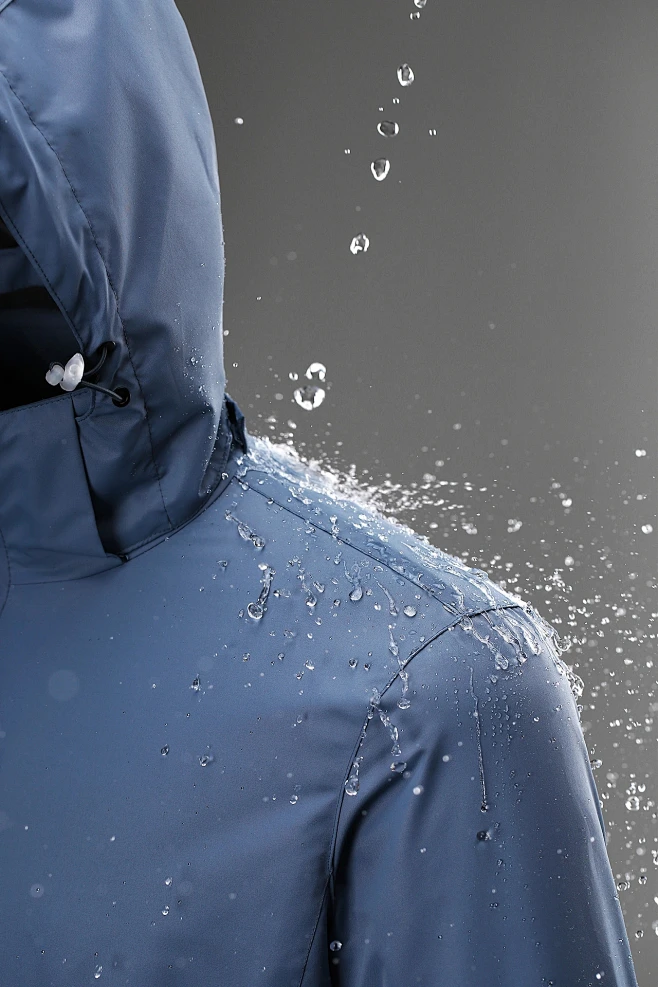
If you've been hanging your expensive gear on the balcony under direct sunlight, you need to read this.
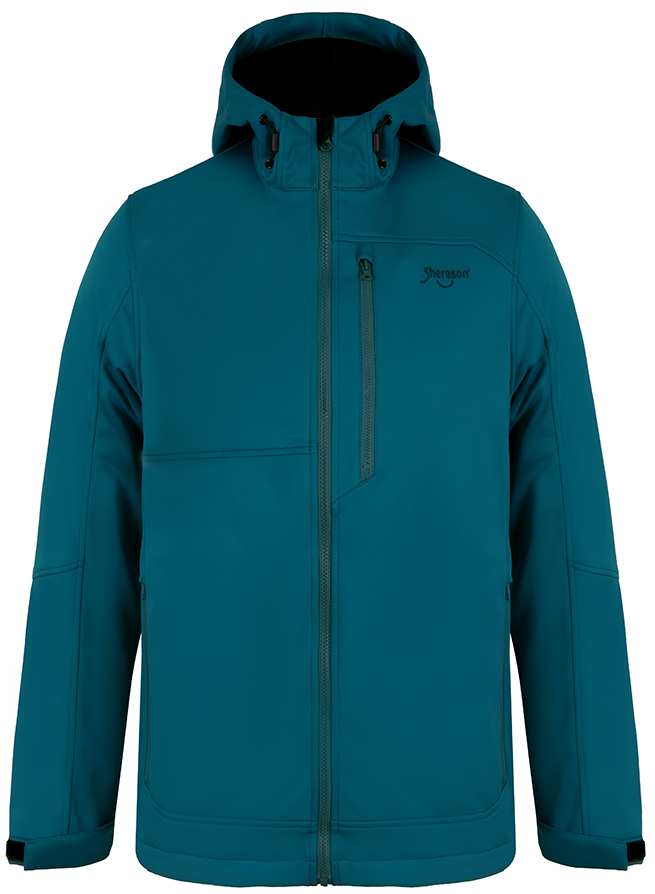
"If softshells are windproof and water-repellent, why can't they be fully waterproof like hardshell jackets?"