
The Past and Present of Punching Jackets: The Evolution of Outdoor Clothing
author: Owen
2025-05-22

Ancient adventure: the starting point of original equipment
Back in the 19th century, when explorers faced extreme weather, their equipment was extremely limited. Early “rushing clothes” were often cloaks made of animal fur or coarse linen, coated with wax or grease to protect against the elements. Although these primitive equipment could barely protect against the rain, it was bulky and heavy, with almost zero breathability, and explorers often suffered in the cold and wet. In those days, the core appeal of outdoor clothing was simple: stay alive.
With the advent of the Industrial Revolution, cotton canvas gradually replaced fur, and rubber coatings were added to increase water resistance. However, weight and lack of breathability continued to plague explorers. It wasn't until the early 20th century that the rise of mountaineering and polar exploration led to the first revolution in outdoor clothing.
The 20th Century: The First Awakening of Technology
In the mid-20th century, the emergence of synthetic materials such as nylon and polyester changed the landscape of outdoor apparel forever, and in the 1950s, the prototype of the wetsuit began to take shape - based on lightweight nylon fabrics with a simple waterproof coating. This type of garment not only lightened the load of the explorer, but also improved comfort to some extent. However, the contradiction between waterproofing and breathability remained unsolved. Sweat could not be discharged during strenuous exercise, and explorers still faced the embarrassment of “not wet on the outside, but wet on the inside” .
In the 1960s, the epoch-making Gore-Tex fabric was introduced. This film material invented by the American chemist Wilbert Gore, has a microporous structure, can block rain, but also allows water vapor discharge, for the first time to achieve a balance of waterproof and breathable. The emergence of Gore-Tex upgraded the punching bag from a “rainproof tool” to an “all-weather protection”, and gradually became the starting point of modern outdoor clothing. Since then, outdoor clothing has become the standard for mountaineering, hiking, skiing and other outdoor sports.
The 21st century: the fusion of high technology and personalization
Entering the 21st century, the evolution of outdoor clothing entered the fast lane. Advances in material science have made assault clothing lighter, more durable and more environmentally friendly. The application of nano-coating technology makes fabrics more stain-resistant and wear-resistant while waterproofing; the popularization of 3L composite fabrics integrates windproof, waterproof and breathable performance, making outdoor clothing still easy to use in extreme environments.
At the same time, the design of outdoor clothing has begun to embrace personalization and fashion. From the initial single military green, to today's colorful color schemes and cuts, outdoor clothing has long ceased to be the exclusive domain of explorers. It has become a trend icon in the city, combining functionality and aesthetics. Whether you're an extreme challenger climbing Mount Everest or a trendsetter walking through the streets of the city, outdoor apparel is the perfect fit.
Environmental protection has also become an important issue in modern outdoor clothing. More and more brands are using recycled materials, such as recycled polyester fiber, to reduce the carbon footprint of the production process. Some high-end outdoor clothing even incorporates smart technology, such as built-in temperature control systems or wearable device interfaces, to make the outdoor experience smarter and more comfortable.
The Future of Outdoor Apparel: Infinite Possibilities
Looking ahead, the evolution of outdoor apparel is far from stopping. With the further development of wearable technology and bio-based materials, future outdoor clothing may be able to adaptively regulate temperature, or even automatically change color or structure based on the environment. The addition of artificial intelligence may allow outdoor clothing to become the “smart partner” of the explorer, monitoring the body's condition in real time and providing navigation or distress signals.
From the initial animal fur to today's high-tech fabrics, each iteration of outdoor clothing carries the human desire for the unknown and the fear of nature. It's not just a piece of clothing, it's a symbol of the spirit of adventure. Whether you are an outdoor enthusiast who is about to challenge the limits, or an urban traveler who pursues quality of life, a good outdoor clothing can provide you with a fearless armor and take you to meet every adventure.
Conclusion: Choose the right outdoor clothing to start your journey!
In this fast-changing era, outdoor clothing has long surpassed the definition of “tool” and become a bridge connecting nature and life. Choosing a suitable outdoor clothing is not only a choice of protection, but also a choice of lifestyle. Wear it to conquer the mountains, through the jungle, or just in the rainy day street, feel the freedom and ease.
Are you, ready for your next adventure?
Revolutionize Your Comfort: The Ultimate 4-Way Stretch Jacket for Active Lifestyles
Fit design of outdoor clothing: ergonomics and freedom of movement
Related Article
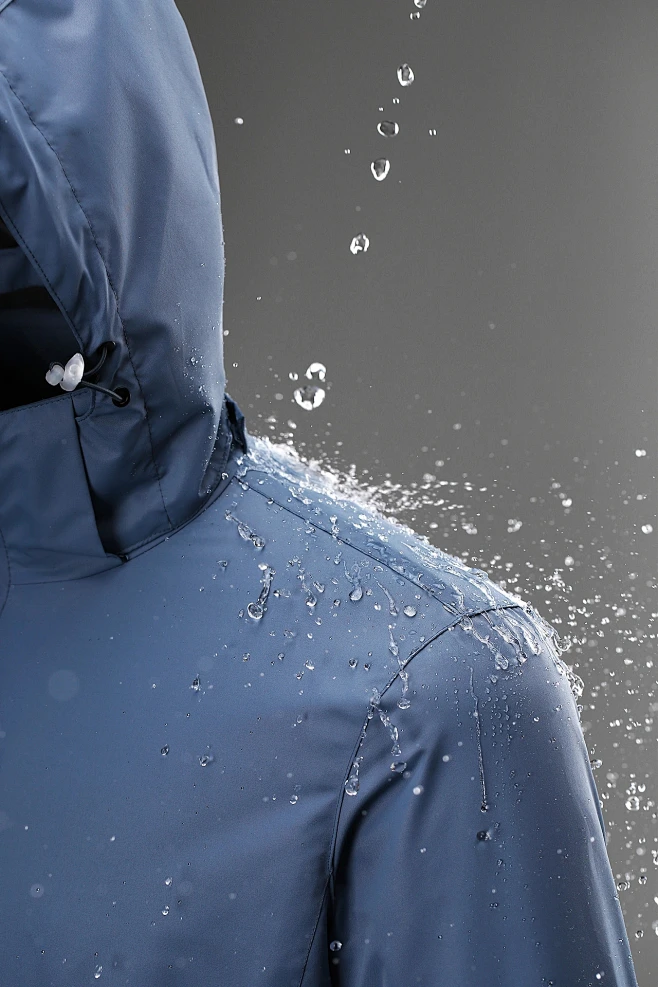
We all love the smell of sun-dried laundry. It feels natural, clean, and traditional. But when it comes to your technical outdoor gear—especially your waterproof hardshells and trekking pants—the sun is actually Enemy No. 1.
If you've been hanging your expensive gear on the balcony under direct sunlight, you need to read this.
If you've been hanging your expensive gear on the balcony under direct sunlight, you need to read this.
Did You Know? The "Sun Cure" Might Be Killing Your Waterproof Gear.
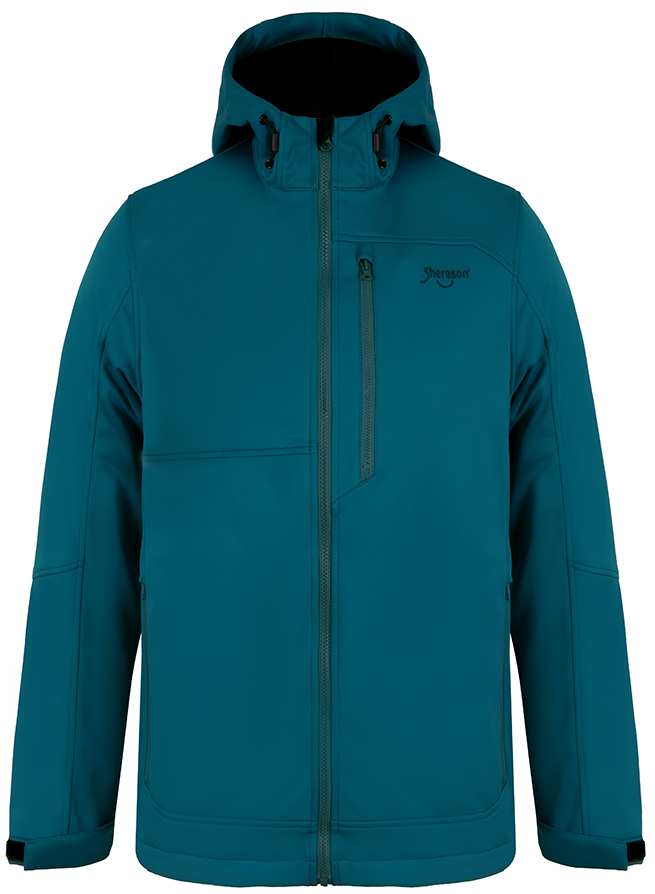
When choosing outdoor jackets, a common question arises:
"If softshells are windproof and water-repellent, why can't they be fully waterproof like hardshell jackets?"
"If softshells are windproof and water-repellent, why can't they be fully waterproof like hardshell jackets?"
Why Aren't Softshell Jackets Fully Waterproof?

When you're planning your next backcountry adventure, performance is everything. You need a jacket that stands up to howling winds and driving rain, keeping you impeccably dry. But have you ever considered that the gear protecting you can also protect the very nature you're exploring?
Beyond Waterproof: Your Jacket is a Promise to the Future.
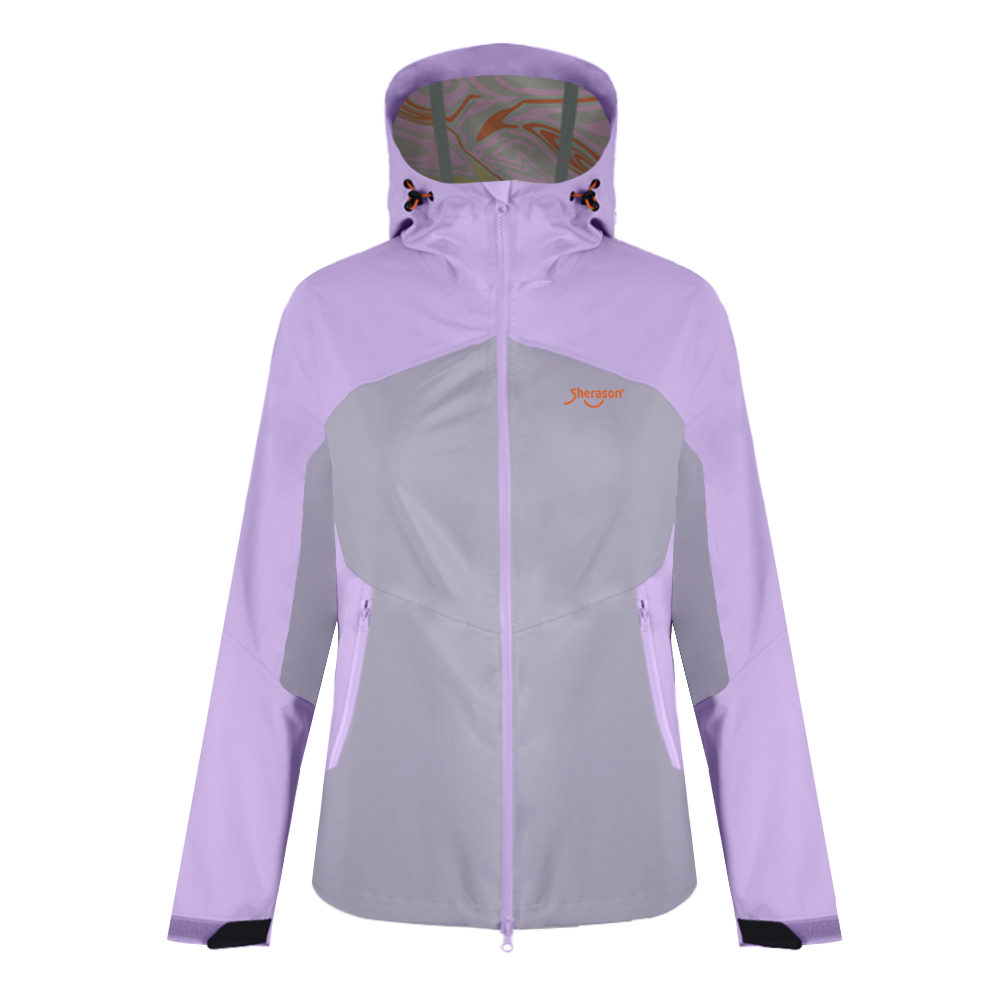
Your waterproof jacket is your essential shield against the rain, thanks to its invisible, breathable membrane. But what happens when this vital layer wears out? If you're noticing these three signs, it's time for a replacement.
Is Your Waterproof Jacket Failing? 3 Tell-Tale Signs of a Worn-Out Membrane