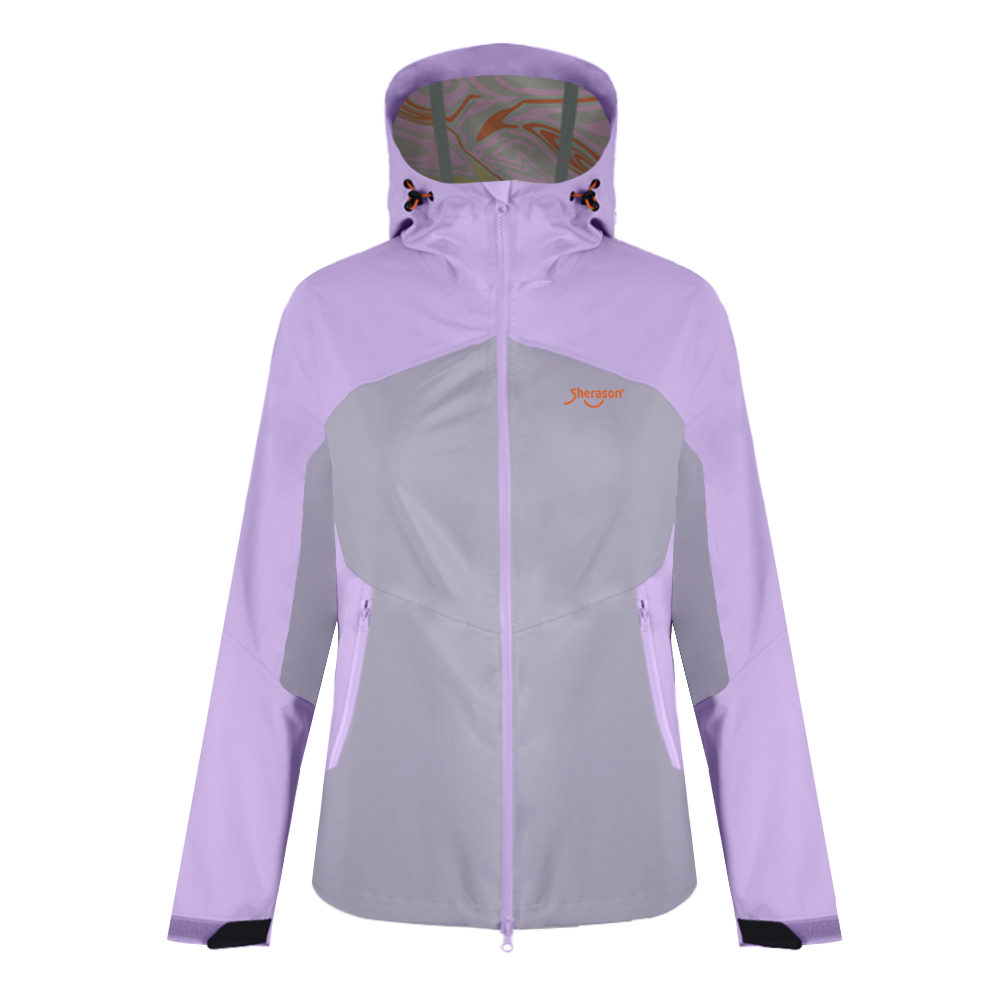
How to Choose the Right Cycling Jacket? A Professional Guide for Easy Selection!

1. Material: Breathability and Moisture-Wicking are Key
Cycling jerseys should be made of breathable, quick-drying fabrics to prevent sweat buildup during long rides. Common high-performance materials include:
-
Polyester: Lightweight and fast-drying, ideal for intense cycling.
-
Spandex: Adds stretch for unrestricted movement.
2. Fit: Aerodynamic and Comfortable
Professional cycling jerseys feature aerodynamic cuts—snug but not tight—to reduce wind resistance and minimize chafing. Choose a fit that matches your body shape for optimal freedom of movement.
3. Functional Details: Practical and Comfortable
-
Rear Pockets: Convenient for storing phones, energy bars, and other small items.
-
High Collar or Zipper Design: Blocks wind and adapts to changing weather.
-
Reflective Strips: Enhances visibility for night riding.
4. Seasonal Adaptability: Dress for the Weather
-
Summer: Opt for lightweight, breathable jerseys with mesh panels.
-
Winter: Look for fleece-lined or windproof/waterproof options.
5. Brand and Price: Balance Quality and Budget
Avoid cheap, low-quality products, but you don't need to splurge on premium brands. Focus on reputable manufacturers that prioritize fabric and craftsmanship.
6. Try Before You Buy: Fit is Everything
Check sizing charts carefully when shopping online. If possible, try the jersey on to ensure proper shoulder, sleeve, and torso length.
Final Tip: New to cycling? Start with a basic jersey and upgrade as your needs evolve.
Conclusion: The right cycling jersey makes every ride smoother and more enjoyable. By considering material, fit, and design, you'll find the perfect match for your adventures.
PU Jacket Care Guide – Keep Your Favorite Coat Looking Brand New
Niche but hardcore: what life-saving designs are hidden in the '2-way zipper' favored by alpine guides?
Related Article
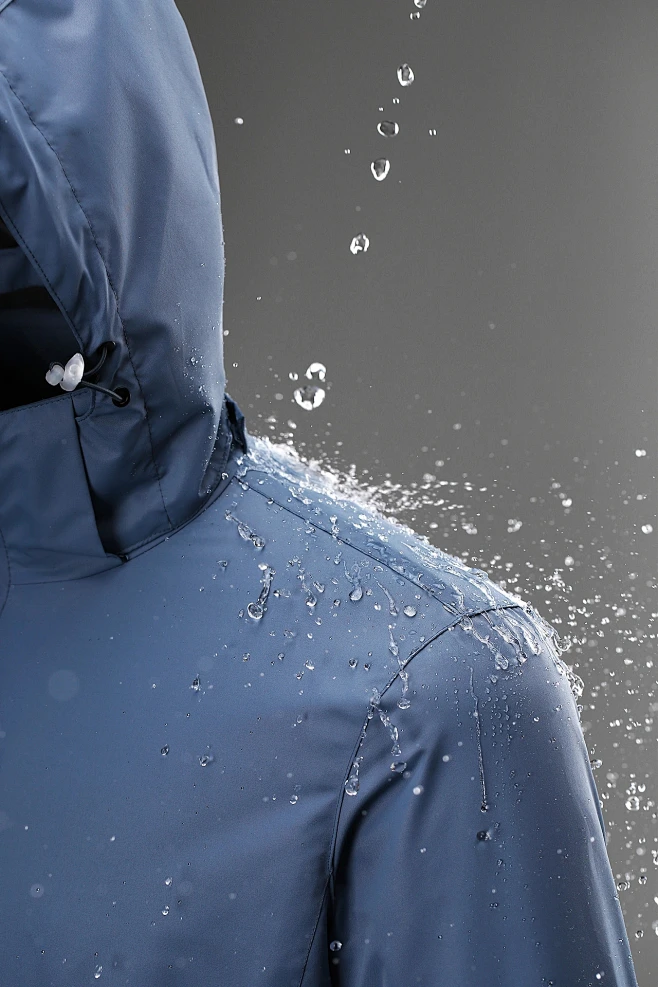
If you've been hanging your expensive gear on the balcony under direct sunlight, you need to read this.
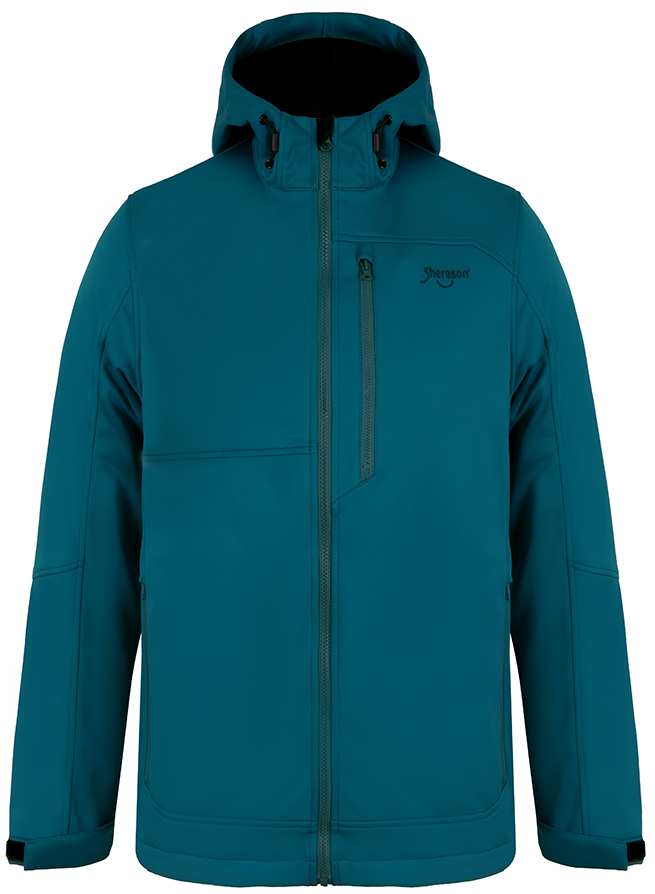
"If softshells are windproof and water-repellent, why can't they be fully waterproof like hardshell jackets?"