
Recycled Nylon vs. Virgin Nylon: Is Eco-Friendly Outdoor Gear Less Durable?
author: Owen
2025-07-01
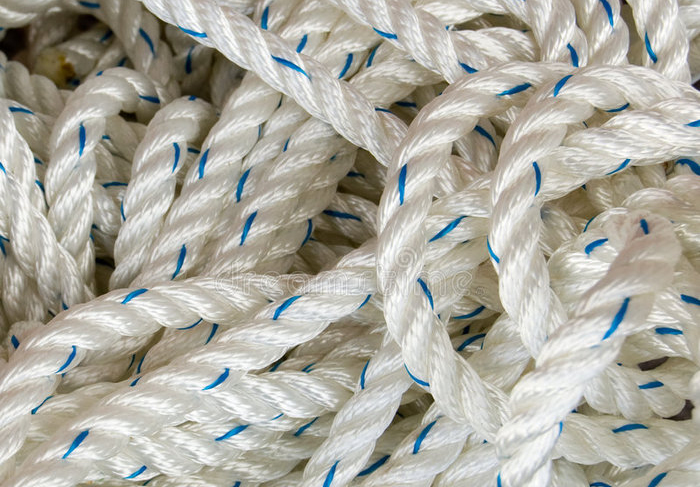
The Basics: What's the Difference?
Virgin Nylon: Made from petroleum-based materials, it's known for high strength, elasticity, and abrasion resistance.
Recycled Nylon: Typically sourced from discarded fishing nets, fabric scraps, or industrial waste, then processed into new fibers. It retains similar performance qualities while reducing environmental impact.
Durability Showdown: Myth vs. Reality
Myth: "Recycled nylon isn’t as tough as virgin nylon."
Truth: Modern recycling technologies (like ECONYL®) produce fibers that match virgin nylon in:
✔ Tensile strength – Resists tearing under stress
✔ Abrasion resistance – Holds up against rough surfaces
✔ Longevity – Maintains shape after repeated use and washes
Truth: Modern recycling technologies (like ECONYL®) produce fibers that match virgin nylon in:
✔ Tensile strength – Resists tearing under stress
✔ Abrasion resistance – Holds up against rough surfaces
✔ Longevity – Maintains shape after repeated use and washes
Independent tests by brands like Patagonia and The North Face show recycled nylon performs equally in extreme conditions, from rock scraping to heavy pack straps.
Environmental Impact: The Clear Winner-Recycled nylon
Recycled nylon reduces:
Energy consumption by 50%+ vs. virgin nylon
Petroleum dependency by diverting waste from oceans/landfills
Carbon footprint by up to 80%
When to Choose Each?
Pick Recycled Nylon if: You prioritize sustainability without compromising performance (ideal for jackets, backpacks, and climbing gear).
Opt for Virgin Nylon if: You need specialized coatings (e.g., ultra-slick finishes for lightweight running apparel).
The Future of Outdoor Fabrics
Brands like Primaloft and Polartec are investing in *100% recycled, high-performance blends. Innovations like bio-based nylon (made from castor plants) are also emerging—proving eco-friendly gear can be tougher than ever.
Brands like Primaloft and Polartec are investing in *100% recycled, high-performance blends. Innovations like bio-based nylon (made from castor plants) are also emerging—proving eco-friendly gear can be tougher than ever.
Final Verdict:
Today's recycled nylon rivals virgin nylon in durability while protecting the planet. The next time you shop, look for certifications like Global Recycled Standard (GRS)—and adventure guilt-free.
Down Jacket Storage Myths: Are Vacuum Bags Really Safe for Long-Term Storage?
PU Jacket Care Guide – Keep Your Favorite Coat Looking Brand New
Related Article
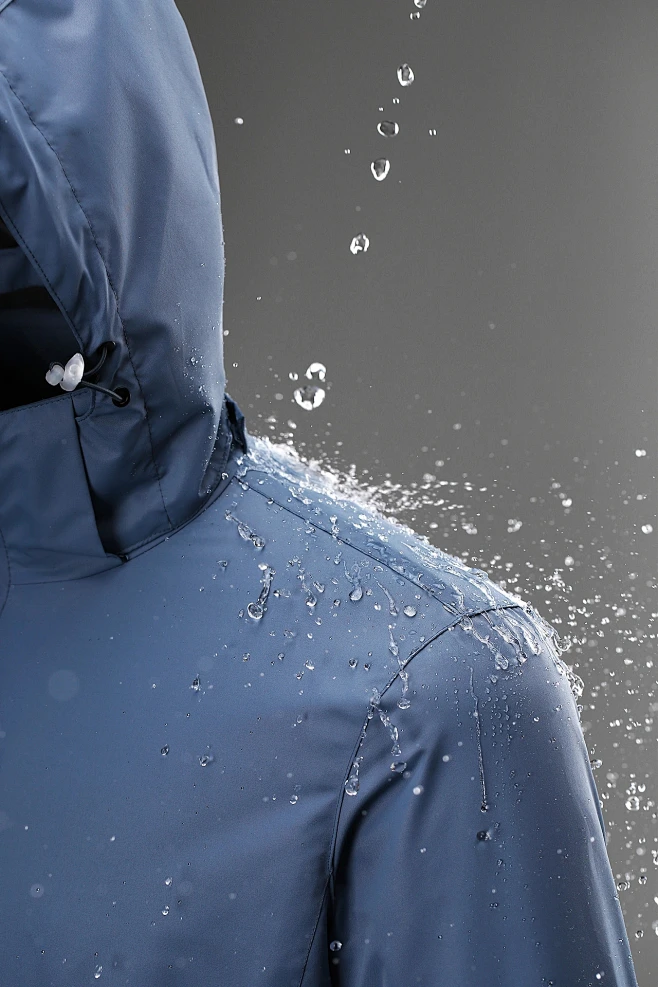
We all love the smell of sun-dried laundry. It feels natural, clean, and traditional. But when it comes to your technical outdoor gear—especially your waterproof hardshells and trekking pants—the sun is actually Enemy No. 1.
If you've been hanging your expensive gear on the balcony under direct sunlight, you need to read this.
If you've been hanging your expensive gear on the balcony under direct sunlight, you need to read this.
Did You Know? The "Sun Cure" Might Be Killing Your Waterproof Gear.
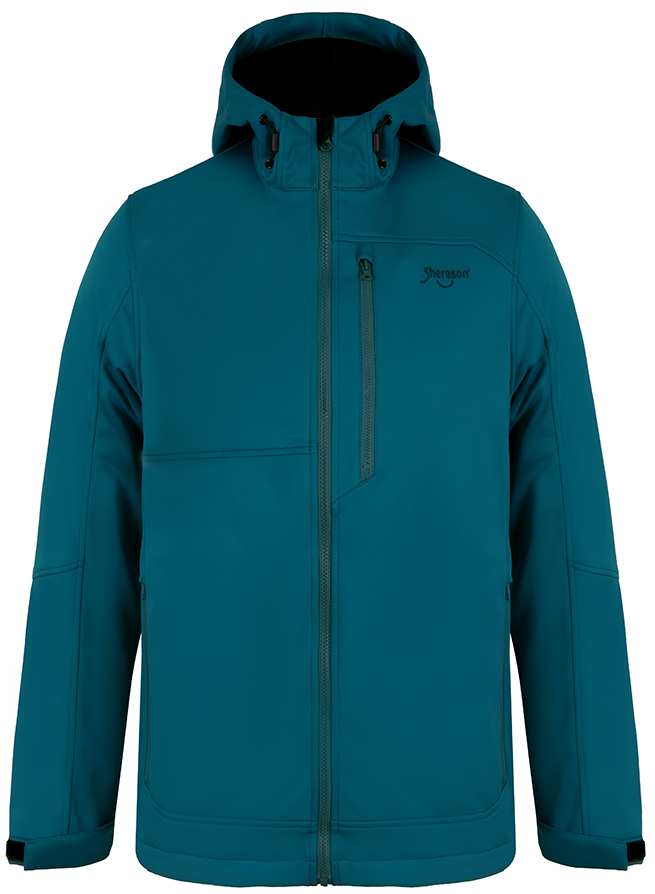
When choosing outdoor jackets, a common question arises:
"If softshells are windproof and water-repellent, why can't they be fully waterproof like hardshell jackets?"
"If softshells are windproof and water-repellent, why can't they be fully waterproof like hardshell jackets?"
Why Aren't Softshell Jackets Fully Waterproof?
When you're planning your next backcountry adventure, performance is everything. You need a jacket that stands up to howling winds and driving rain, keeping you impeccably dry. But have you ever considered that the gear protecting you can also protect the very nature you're exploring?
Beyond Waterproof: Your Jacket is a Promise to the Future.
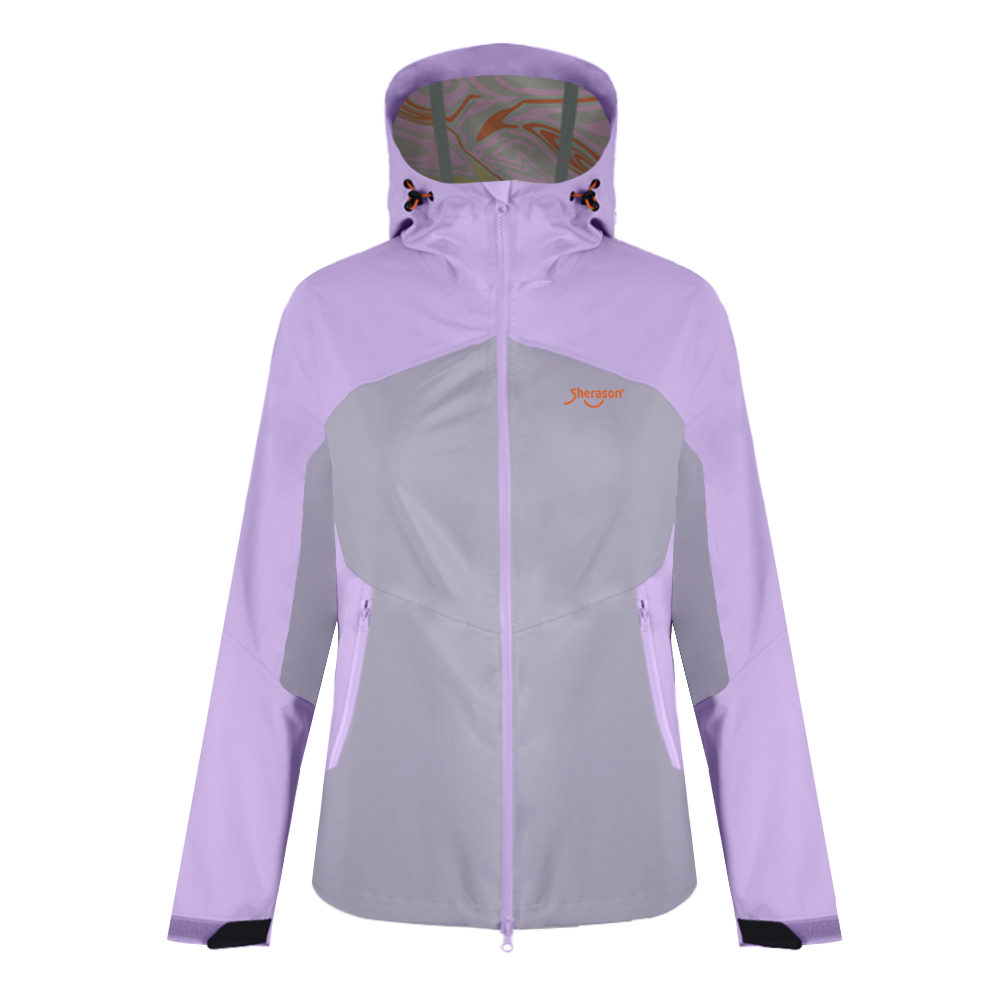
Your waterproof jacket is your essential shield against the rain, thanks to its invisible, breathable membrane. But what happens when this vital layer wears out? If you're noticing these three signs, it's time for a replacement.
Is Your Waterproof Jacket Failing? 3 Tell-Tale Signs of a Worn-Out Membrane