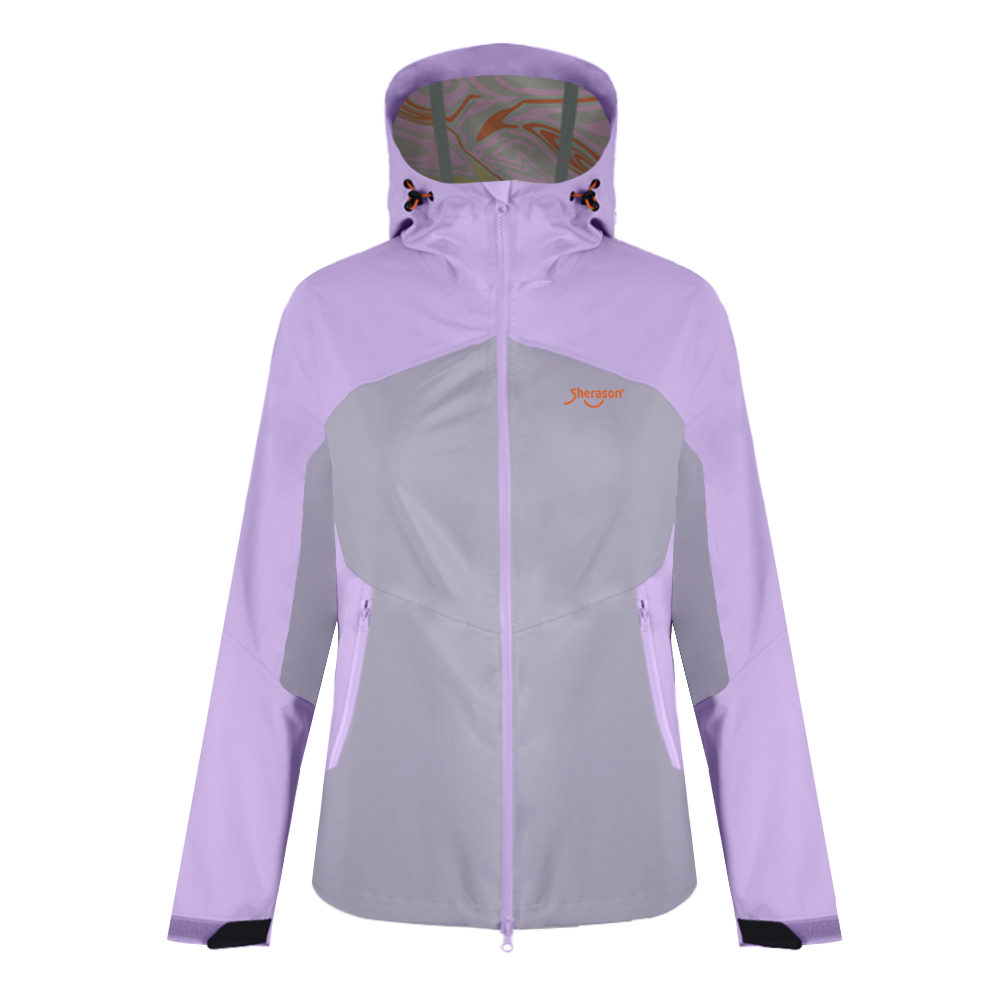
Soft shell vs hard-shell: outdoor experts teach you to choose the right equipment according to the scene!
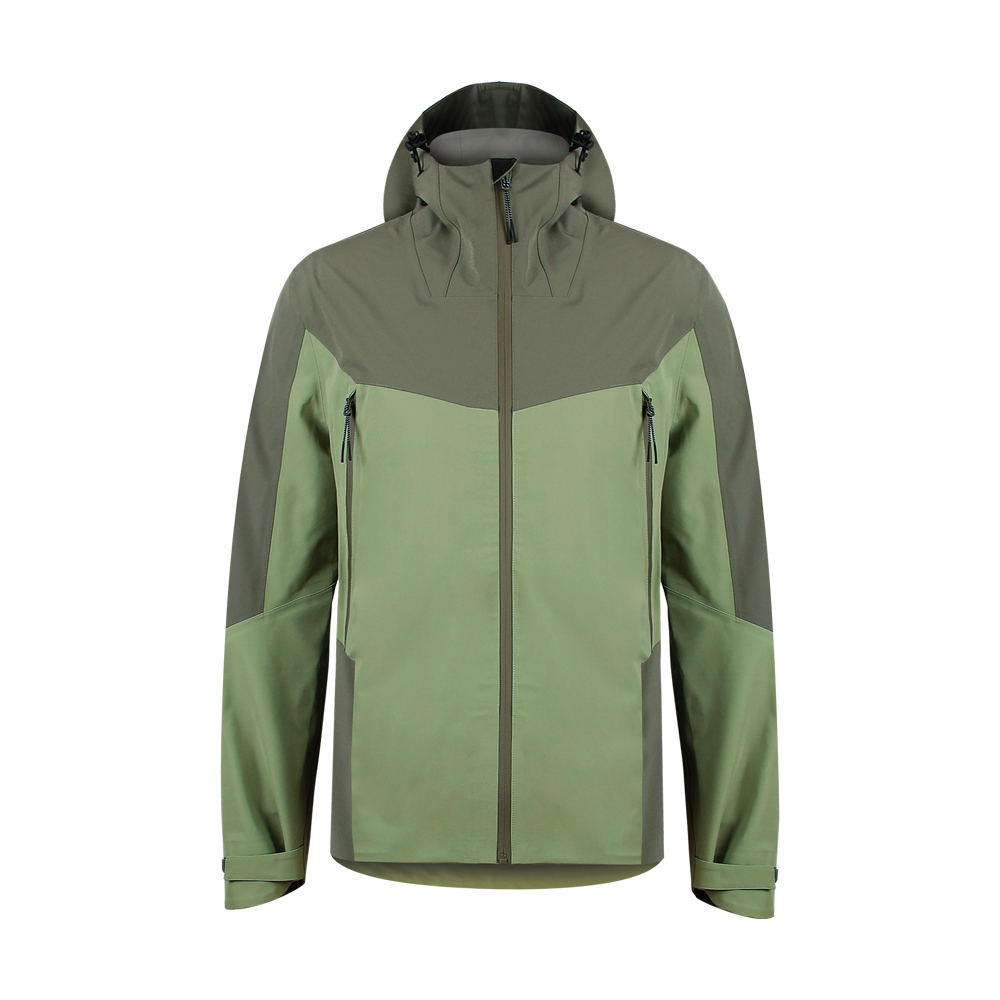
I.Softshell vs Hardshell Jackets: Key Differences Explained
Softshell Jackets function like an "upgraded windbreaker" – made with stretchy, breathable fabrics for flexibility and moderate weather protection. They excel in dry or windy conditions, making them ideal for activities like hiking, urban commuting, or trail running. While they offer some water resistance (enough for light rain or snow flurries), prolonged exposure to heavy rain will eventually soak through. Their biggest advantage is superior breathability, preventing sweat buildup during high-intensity movement.
Hardshell Jackets, on the other hand, are the "all-weather armor" of outdoor gear. Built with fully waterproof membranes (e.g., GORE-TEX), they block torrential rain, blizzards, and harsh winds—essential for mountaineering, skiing, or stormy conditions. The trade-off? Reduced breathability (can feel clammy during intense exertion) and a stiffer fabric that rustles noticeably when moving.
Quick Summary:
·Prioritize comfort & airflow? → Softshell
·Need absolute weather defense? → Hardshell
II.Choose equipment according to the scene: which kind of punching jacket is more suitable for you?
1. Hiking and climbing
Recommendation: soft shell (low altitude/good weather) + hard shell (high altitude/bad weather)
Advantage of soft shell: good breathability, suitable for long time climbing and sweating; mild weatherproof to cope with sudden change of weather.
Hard shell must have: above 3000 meters altitude or hiking in rainy season, GORE-TEX hard shell can save your life.
Real case: donkey friend Xiao Zhang hiking in the Qinling Mountains, wearing a soft shell flexible action during the day, and in the evening when a sudden downpour put on a hard shell, the whole process to keep dry.
Recommendation: hard shell (preferred professional ski models)
Reason: Ski clothing needs to be completely waterproof (snow will soak the clothes after melting), and the hard shell of the abrasion resistance is more resistant to fall friction.
Pit avoidance: soft shells can seep water when wet snow is encountered, which may leave you shivering on the lifts!
3. City commuting & daily traveling
Recommendation: soft shell (enough for 90% of scenarios)
Advantages: simple appearance (like a normal jacket), not stuffy when commuting on the subway; splash-proof coffee stains come off with a wipe.
Exception: If you are in a rainy city (e.g. London, Shanghai), you can prepare a light hard shell.
III.The connoisseur private purchase skills
look at the seams pressure glue: the seams of the hard shell punching jacket must have pressure glue strip, otherwise it will leak.
Listen to the sound: high-end hard shell fabrics (such as GORE-TEX) rubbing “rustle” sound, soft shell is quieter.
Ask yourself: Are you more afraid of getting soaked in the rain or sweating?
Conclusion: There is no such thing as a perfect jersey, only the most suitable choice
Softshell and hardshell are like “sneakers” and “rain boots” - wearing sneakers on a rainy day will get your feet wet, but running in rain boots will definitely be uncomfortable. It's not comfortable to run in rain boots. Match them with your activities, or even layer them, to truly conquer the outdoors!
How to Choose the Perfect Ski Jacket for Your Next Adventure
Stay Adventurous with Premium Outdoor Clothing
Related Article
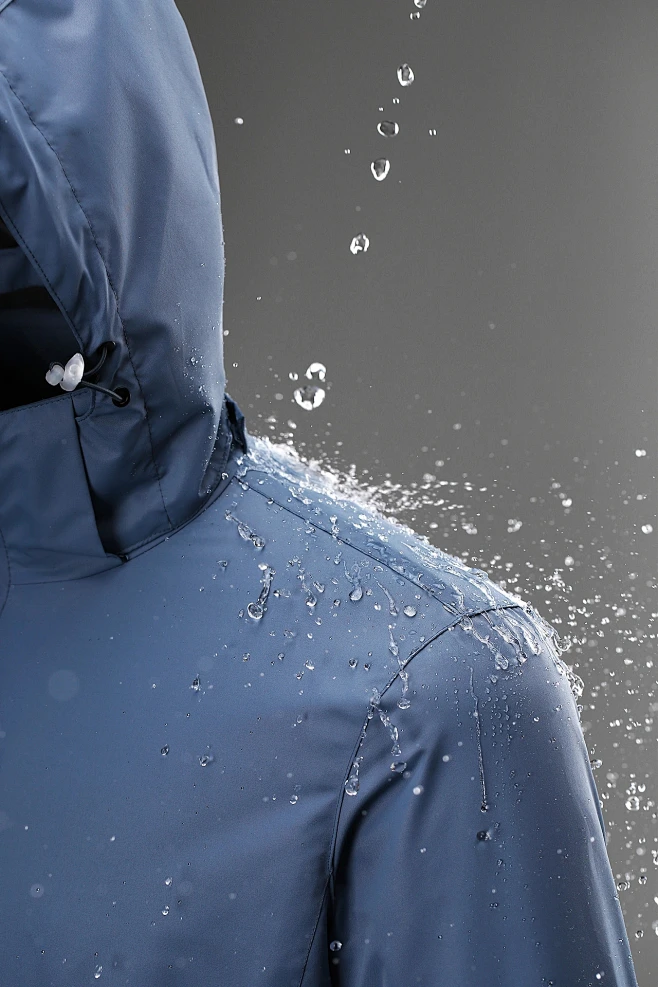
If you've been hanging your expensive gear on the balcony under direct sunlight, you need to read this.
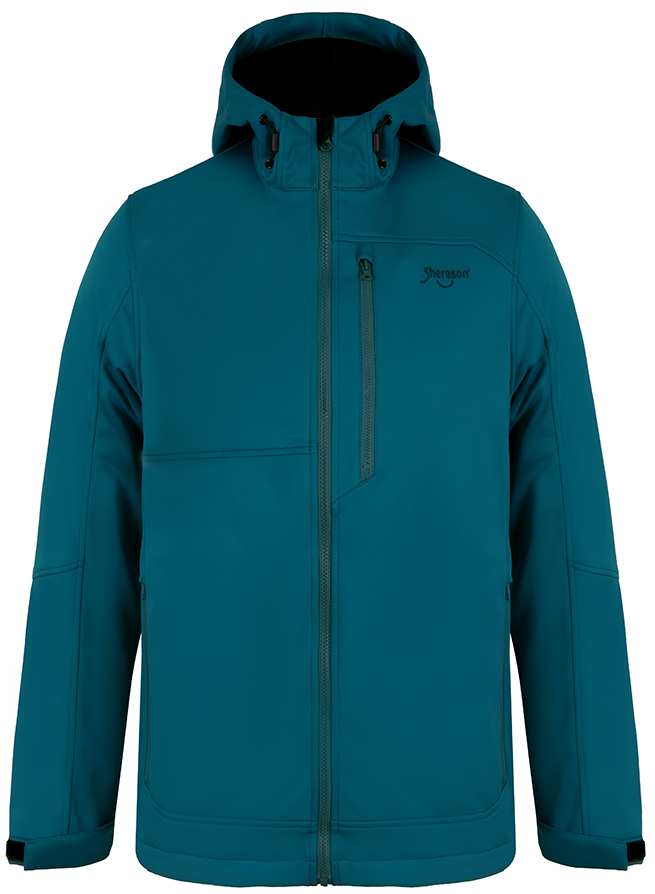
"If softshells are windproof and water-repellent, why can't they be fully waterproof like hardshell jackets?"