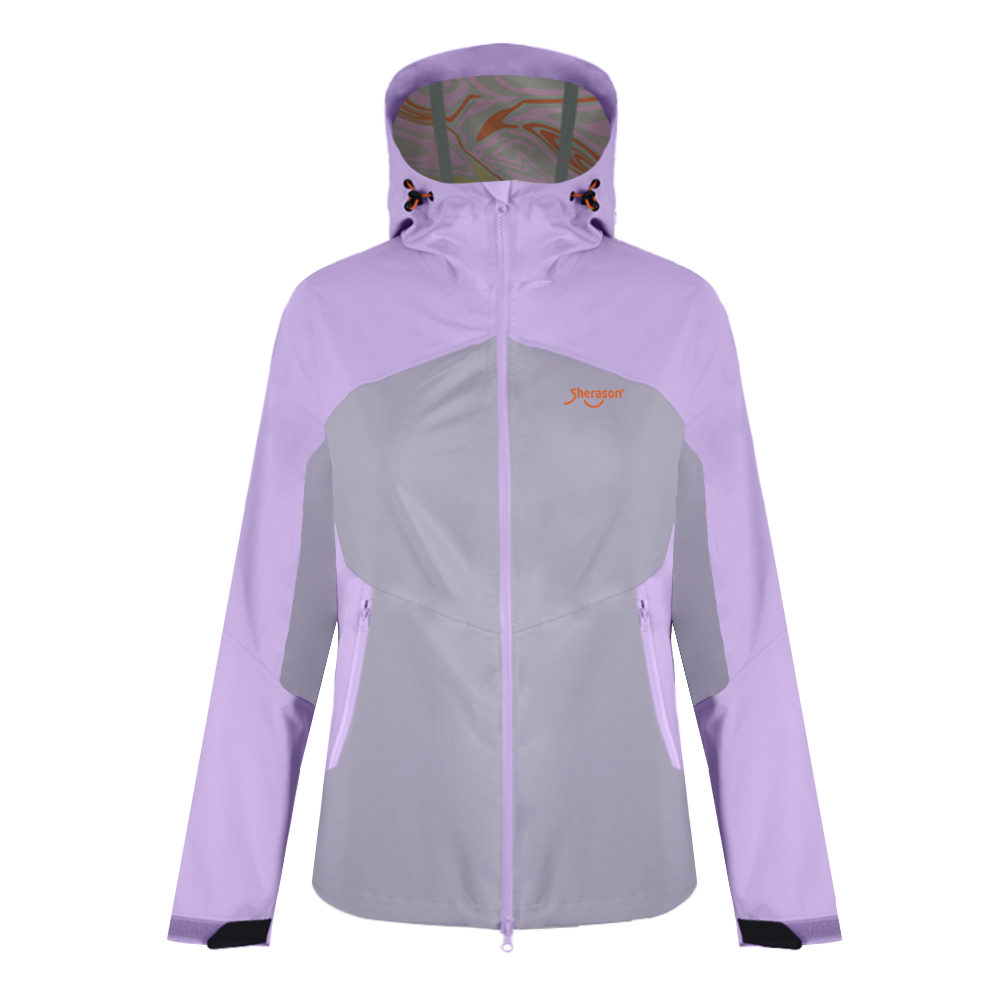
Decoding Your Hardshell: Does Your "Waterproof Jacket" Actually Measure Up? Avoid the Pitfalls!
Core Benchmark #1: Waterproofness ≠ Water-Repellency! Hydrostatic Head is Key!
Common Pitfall: Mistaking water beading up and rolling off the surface (DWR treatment) for true waterproofness. DWR is just the first line of defense! Real waterproofness refers to the fabric's ability to resist liquid water penetration under sustained pressure.
The Hard Metric: The core measure is Hydrostatic Head (HH) (measured in millimeters, mm H₂O). The Chinese National Standard GB/T 32614-2016 (for outdoor jackets) sets clear levels:
Qualified: HH ≥ 13,000 mm - Resists moderate rain.
First Grade: HH ≥ 20,000 mm - Resists heavy rain.
Premium Grade: HH ≥ 35,000 mm - Resists torrential rain/storms.
Avoid the Trap:
Demand the Number! Check the label or product specs – what is the actual HH rating? Which grade does it meet?
Be wary of products claiming "waterproof" without providing this critical metric.
Remember: DWR wears off; the inherent HH of the fabric membrane is the true waterproof foundation.
Core Benchmark #2: Breathability! Banish the Sweaty "Plastic Bag" Feeling!
Common Pitfall: Assuming high waterproofness means poor air circulation. Wrong! Breathability (moisture vapor transmission rate - MVTR) is precisely what separates a hardshell from a plastic poncho. It's the fabric's ability to expel sweat vapor (perspiration) from the inside out.
The Hard Metric: Breathability is commonly measured as Moisture Vapor Transmission Rate (MVTR) (grams per square meter per 24 hours, g/m²/24h). GB/T 32614 requires:
Qualified: MVTR ≥ 3,000 g/m²/24h.
First Grade: MVTR ≥ 5,000 g/m²/24h.
Premium Grade: MVTR ≥ 8,000 g/m²/24h.
Avoid the Trap:
Insist on the MVTR Number. Higher numbers mean better sweat-wicking and comfort, preventing that clammy, sauna-like feeling.
Don't settle for vague "breathable" claims.
Premium membranes (like GORE-TEX, eVent, high-quality PU/PU laminates) excel at balancing waterproofness and breathability.
Core Benchmark #3: Seam Taping! The Guardian of Your Waterproof Fortress!
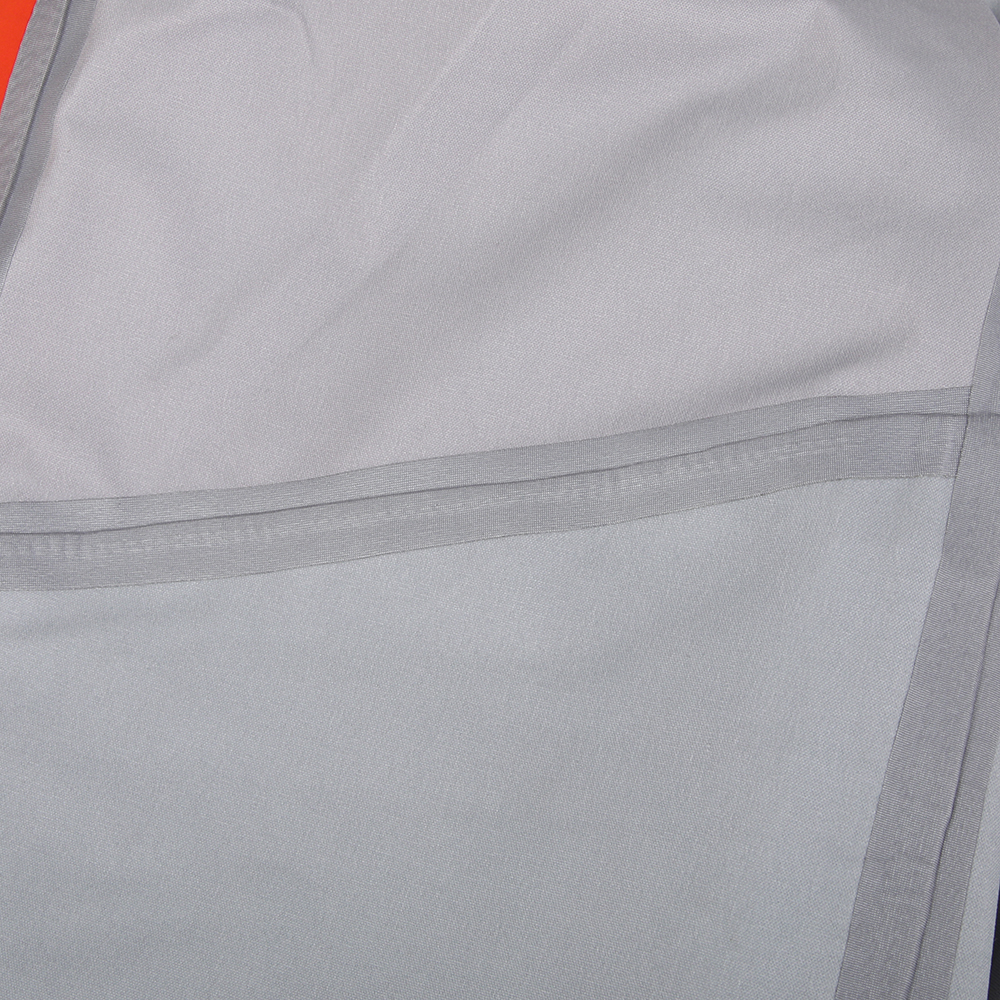
Why it's Crucial: Even the best waterproof fabric is useless if water gushes in through the stitch holes along its seams! Seam taping is the process of sealing these needle holes by applying waterproof tape over the seams inside the garment.
What Matters:
Tape Quality: Needs excellent elasticity, cold-temperature resistance, durability, and strong adhesion.
Application Precision: Requires exact temperature, pressure, and timing to ensure a perfect, bubble-free, and durable bond between tape and fabric.
Tape Width: Critical areas (shoulders, underarms, main zipper) often use wider tape (e.g., 22mm+) for enhanced protection.
Avoid the Trap:
Inspect the Seams! Turn the jacket inside out. All major seams (especially shoulders, underarms, pockets, hood) MUST be covered with neat, flat, and securely bonded seam tape.
Check for peeling, lifting, or bubbles in the tape.
Poor craftsmanship, crooked taping, or worse—missing tape—means compromised waterproof integrity. Walk away!
The Bottom Line: Look Beyond the Label, Invest in Performance
A true, performance-worthy hardshell is the marriage of high waterproofness, excellent breathability, and meticulous seam taping. When buying, look beyond just style and price tag. Scrutinize the specific metrics for these three core benchmarks and examine the physical construction.
Choosing a jacket that clearly states compliance with recognized standards (like GB/T 32614 or certifications such as GORE-TEX) offers the best assurance of its capabilities.
Don't let a "look-alike" jacket leave you soaked and miserable when the weather turns. Investing in a hardshell that genuinely measures up is an investment in your comfort, safety, and outdoor enjoyment!
From Sketch to Shell: How a High-Performance Jacket Comes to Life
How to Choose the Perfect Ski Jacket for Your Next Adventure
Related Article
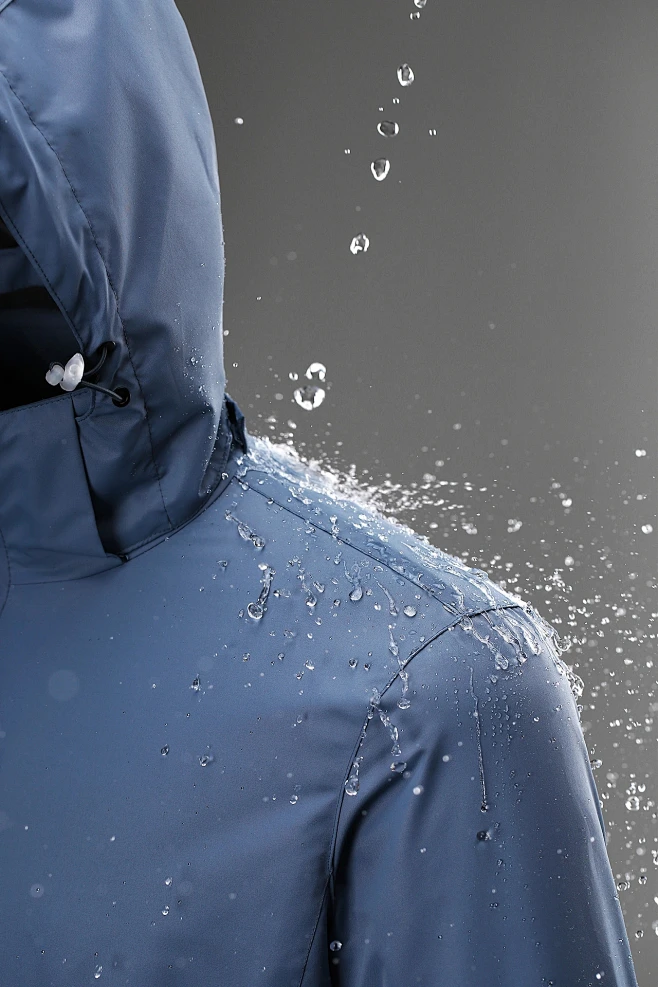
If you've been hanging your expensive gear on the balcony under direct sunlight, you need to read this.
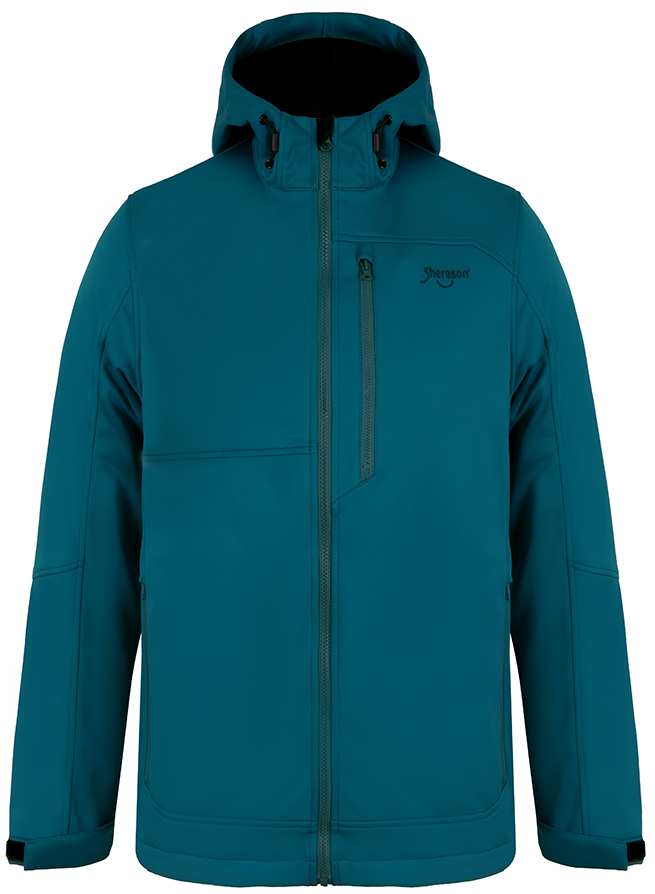
"If softshells are windproof and water-repellent, why can't they be fully waterproof like hardshell jackets?"