From Sketch to Shell: How a High-Performance Jacket Comes to Life

1. Design Drafting: From Vision to Blueprint
It all begins with a blank page and a pencil. Designers combine fashion trends, functional needs, and brand identity to sketch the jacket's initial concept. These sketches are more than just lines and colors—they embody the designer's vision for style and practicality.
Next, designers collaborate with pattern makers to transform 2D sketches into 3D patterns. This step requires precise measurements to ensure the jacket fits the body perfectly while allowing comfort and ease of movement. Today, designers often use CAD (Computer-Aided Design) software to create accurate digital patterns, laying the foundation for the next steps.
2. Prototyping: Bringing the Blueprint to Life
With the pattern ready, it's time to create a prototype. This is the first time the design takes physical form. Fabric is cut according to the pattern, and skilled seamstresses stitch the pieces together to form a sample jacket. This prototype serves as a bridge between the designer's vision and the production team.
The sample is then tested through fittings, where designers check for fit, comfort, and details like pocket placement, zipper functionality, or button durability. Adjustments are made—sometimes multiple rounds—until the prototype meets the desired standard.
3. Laboratory Testing: Putting Quality to the Test
A jacket isn't just about looks; it needs to withstand real-world challenges. In the laboratory testing phase, the prototype undergoes rigorous evaluations:
-
Abrasion Testing: Simulates wear and tear to ensure the fabric's durability.
-
Waterproof and Breathability Testing: For outdoor jackets, this confirms protection against harsh weather while maintaining breathability.
-
Colorfastness Testing: Ensures the jacket won't fade after washing or sun exposure.
-
Tensile Testing: Verifies the strength of seams and zippers to prevent tears or breakage.
These tests guarantee that the jacket is not only stylish but also reliable, meeting the demands of everyday wear.
4. Mass Production: From One to Thousands
Once the prototype passes all tests and is approved, the jacket moves to mass production. Factories source fabrics and components (like zippers and buttons) based on the final pattern and optimize production lines for efficiency and quality.
Every step—cutting, sewing, pressing, and quality control—is meticulously monitored. Modern smart production lines and skilled workers collaborate to ensure each jacket matches the prototype's high standards.
Conclusion: A Perfect Transformation from Sketch to Wardrobe
From a designer's sketch to the jacket in your hands, this journey blends creativity, craftsmanship, and technology. Every jacket represents countless hours of refinement and the dedication of many hands.
The next time you slip into your favorite jacket, take a moment to appreciate its story—a tale that begins with a simple sketch and ends as an essential part of your life.
Equestrain Jacket: Core Functions and Technical Features Explained
Decoding Your Hardshell: Does Your "Waterproof Jacket" Actually Measure Up? Avoid the Pitfalls!
Related Article
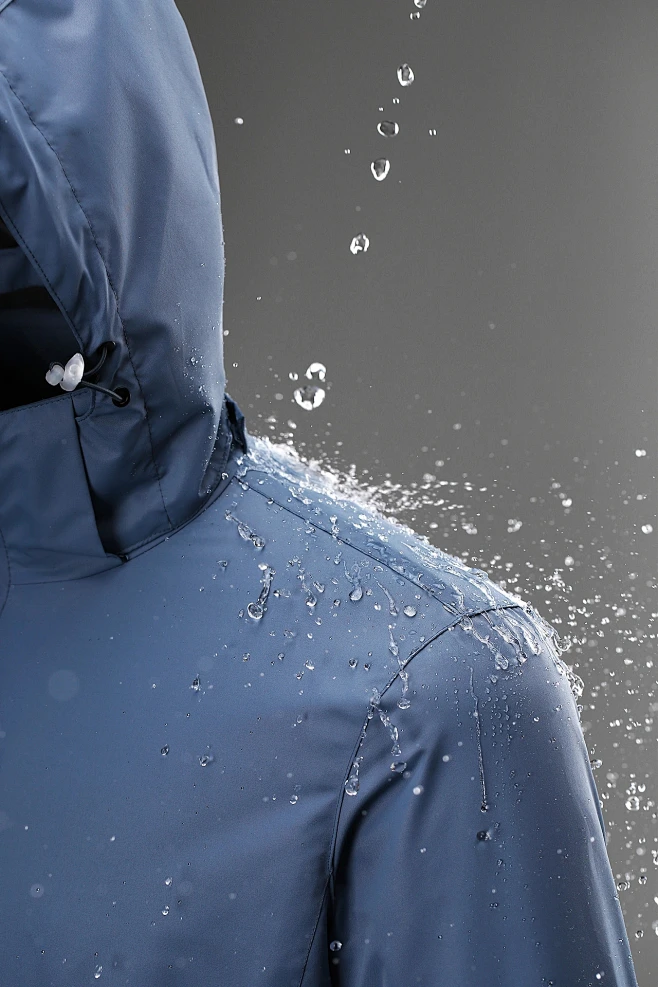
If you've been hanging your expensive gear on the balcony under direct sunlight, you need to read this.
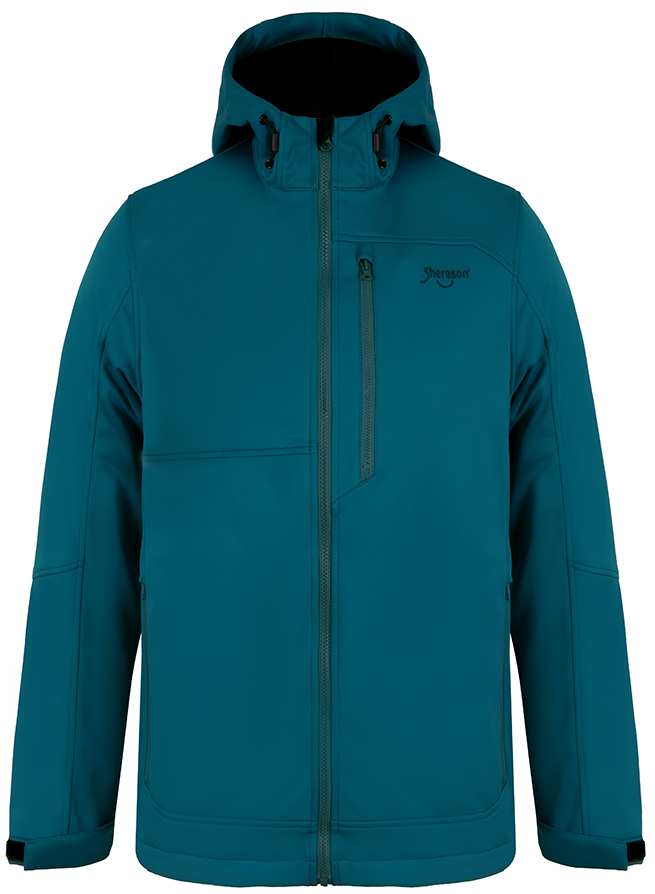
"If softshells are windproof and water-repellent, why can't they be fully waterproof like hardshell jackets?"