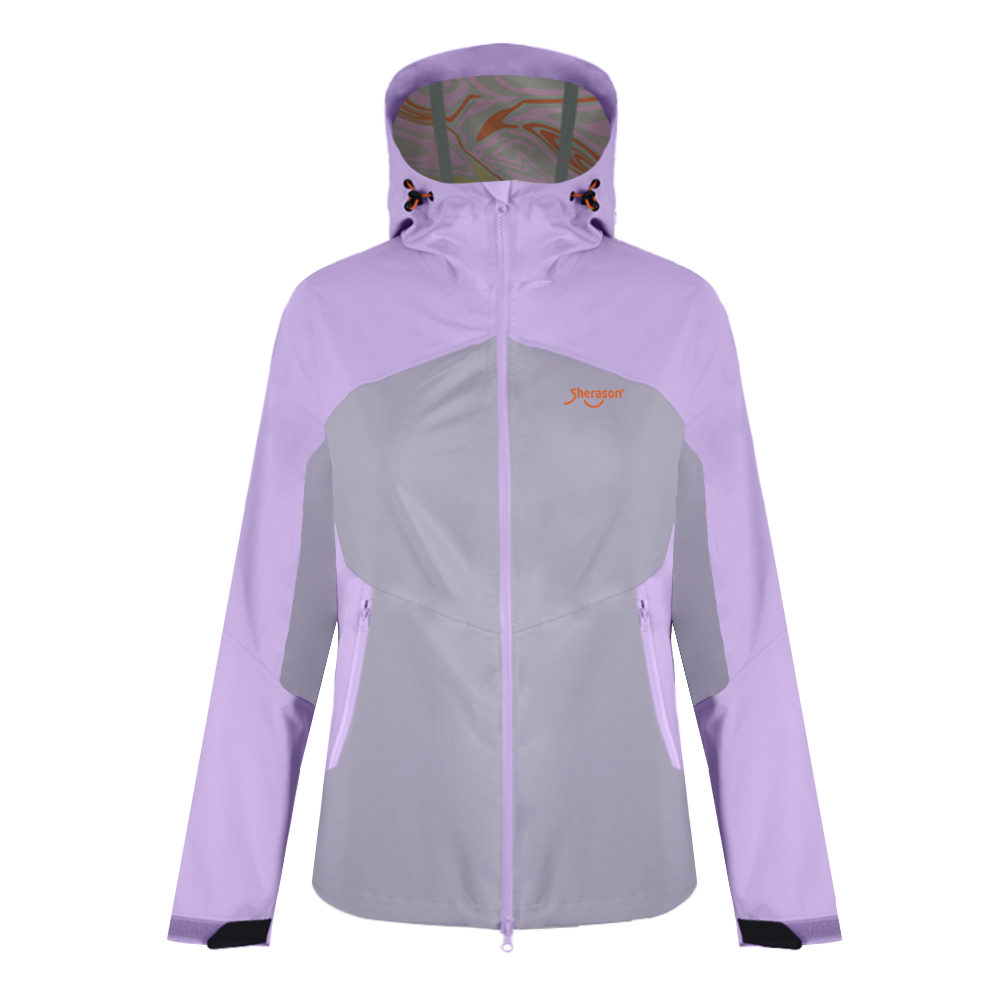
What is the "Magic Technology" Behind DWR on Outdoor Clothing?
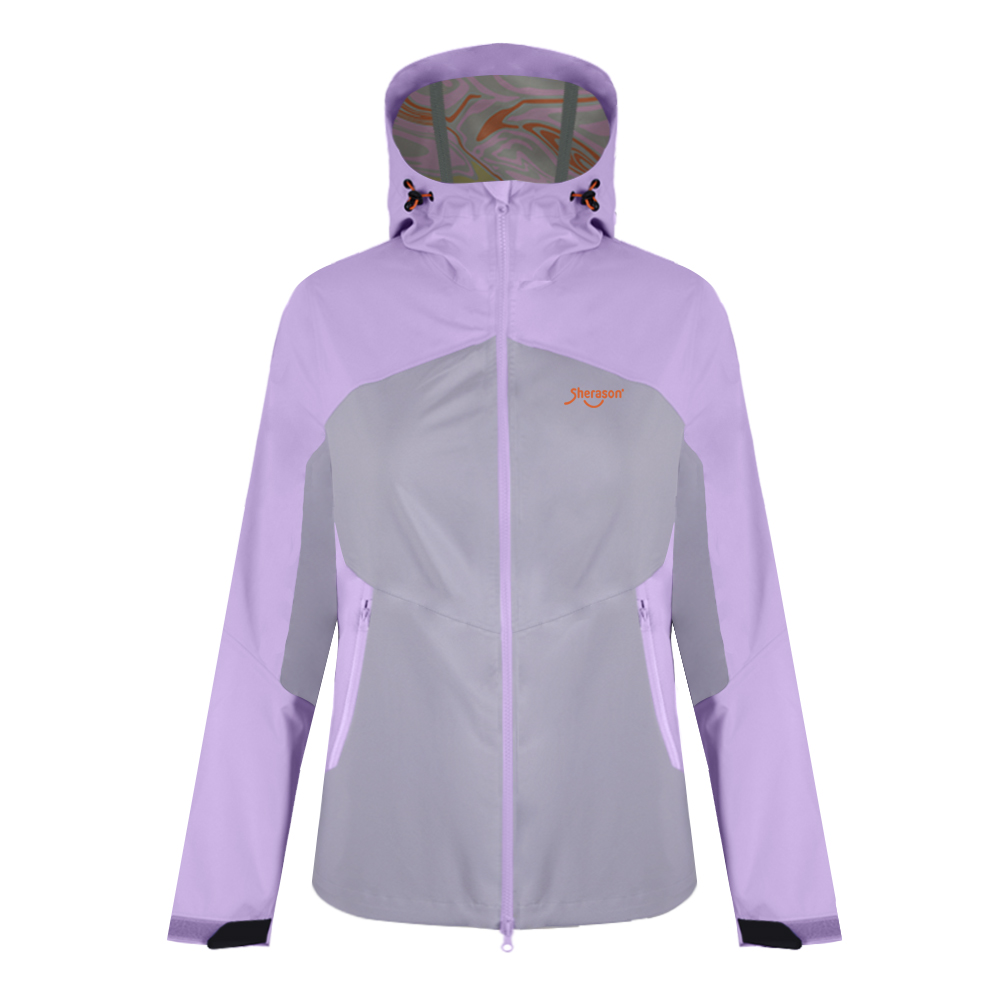
DWR stands for Durable Water Repellent.
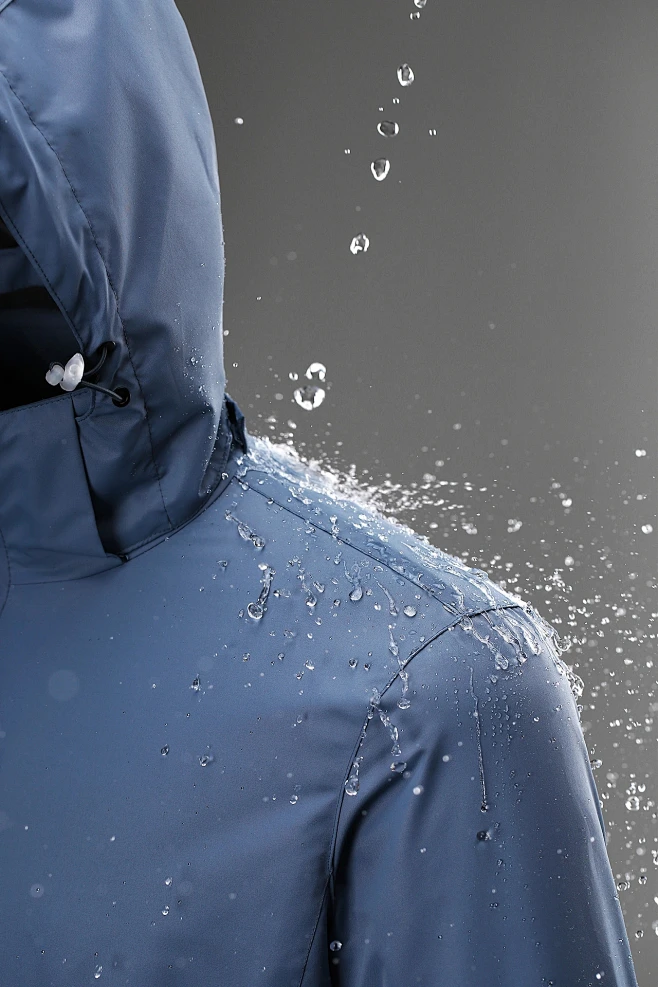
It's not a fabric itself, but a treatment applied to the surface of technical textiles. After DWR finishing, water beads up on the surface and rolls off, much like raindrops sliding off a lotus leaf, instead of soaking into the fibers.
How Does DWR Work?
Normally, fabrics absorb water, becoming heavy, cold, and uncomfortable. DWR lowers the surface tension of fibers, creating an invisible shield that prevents water from clinging. Instead, moisture simply rolls off in droplets—keeping the fabric light and dry.
Why Is DWR So Essential?
1.Stay Dry – Provides protection in light rain, snow, or damp conditions.
2.Breathable Comfort – Unlike a plastic raincoat, DWR doesn't block the fabric's pores, allowing sweat vapor to escape.
3.Durability – Helps resist moisture, mud, and stains, prolonging the garment's life.
4.Enhanced Protection – Works together with waterproof membranes (like TPU or GORE-TEX®) for double security.
5.Eco-Friendly Future – Traditional DWR used PFCs, which are harmful to the environment. We use PFC-Free DWR, aligning with EU and global sustainability standards.
Does DWR Require Maintenance?
Yes. DWR performance gradually fades after wear and washing. The good news is:
1.A quick tumble dry or light ironing can help reactivate water repellency.
2.Reproofing sprays or wash-in treatments easily restore performance.
Our Products with DWR Technology
As a professional outdoor apparel manufacturer, we integrate eco-friendly DWR technology across our ski jackets, technical shells, and hiking trousers.
1.Fabric: Durable nylon/polyester treated with PFC-Free DWR.
2.Construction: Advanced 2- or 3-layer builds with fully taped seams for storm-ready protection.
3.Comfort: Lightweight, breathable, and designed for extended wear in extreme conditions.
When you see "DWR" in our products, it's not just a technical term—it's your guarantee of safety, comfort, and confidence in the outdoors.
Explore our latest ski jacket collection today and experience the DWR difference for yourself!
3-Layer vs. 2.5-Layer vs. 2-Layer Jackets: Which One Fits Your Adventure Best?
Thermal Energy Reflection Lining: Principle and Application
Related Article
If you've been hanging your expensive gear on the balcony under direct sunlight, you need to read this.
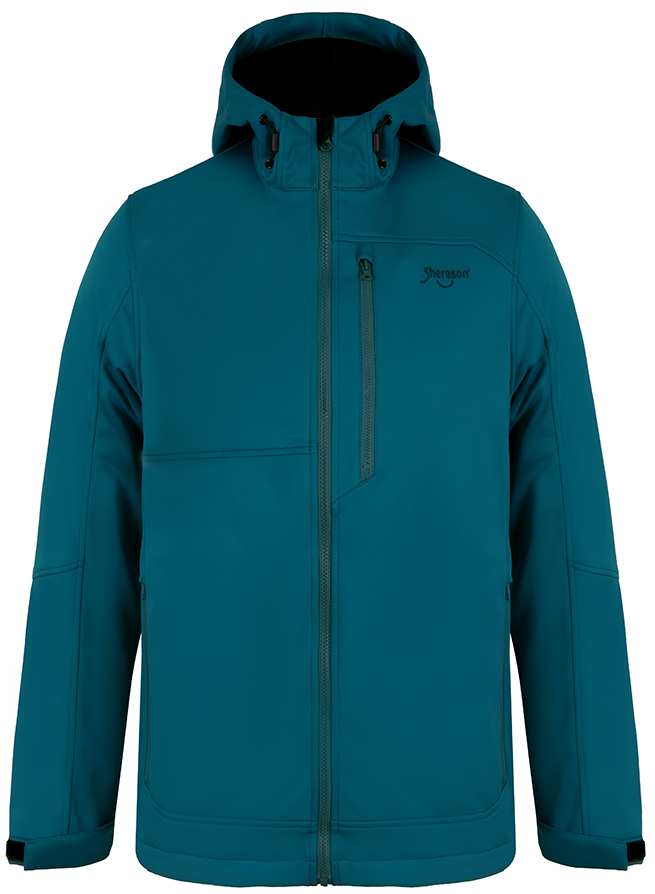
"If softshells are windproof and water-repellent, why can't they be fully waterproof like hardshell jackets?"