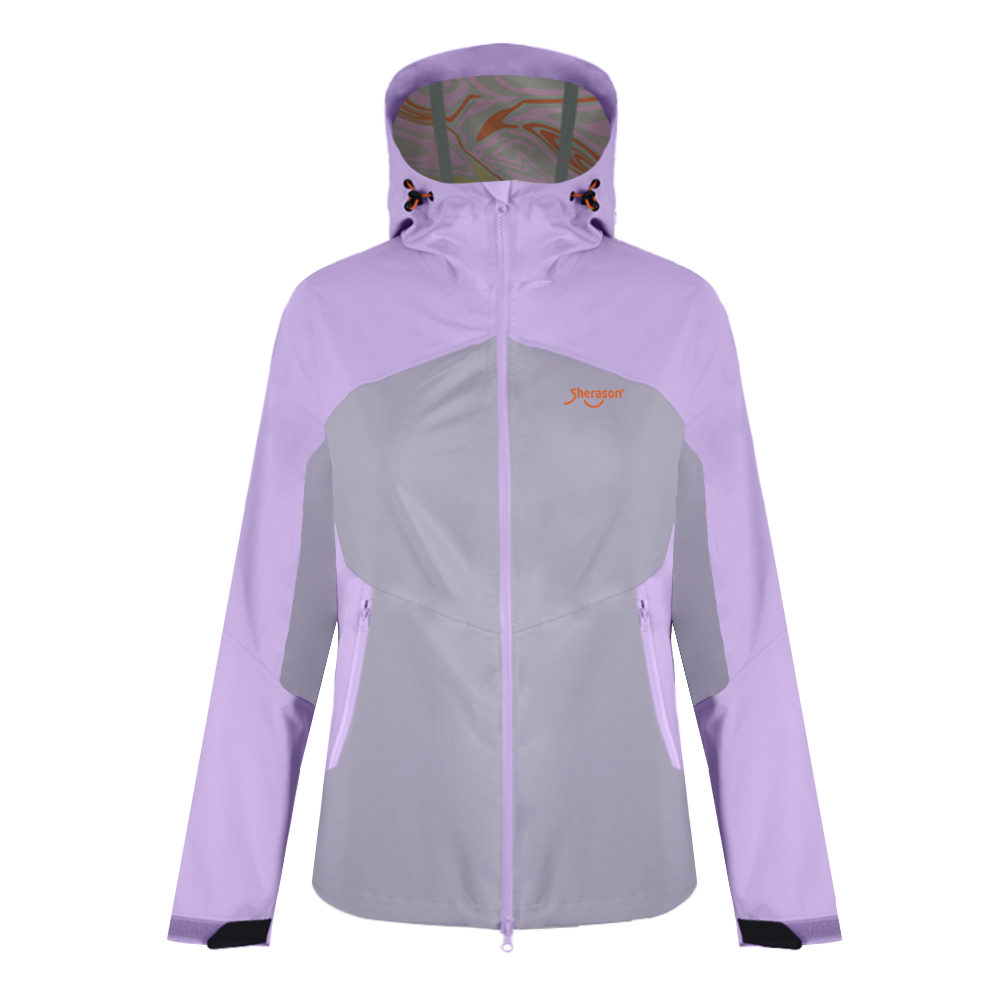
3-Layer vs. 2.5-Layer vs. 2-Layer Jackets: Which One Fits Your Adventure Best?
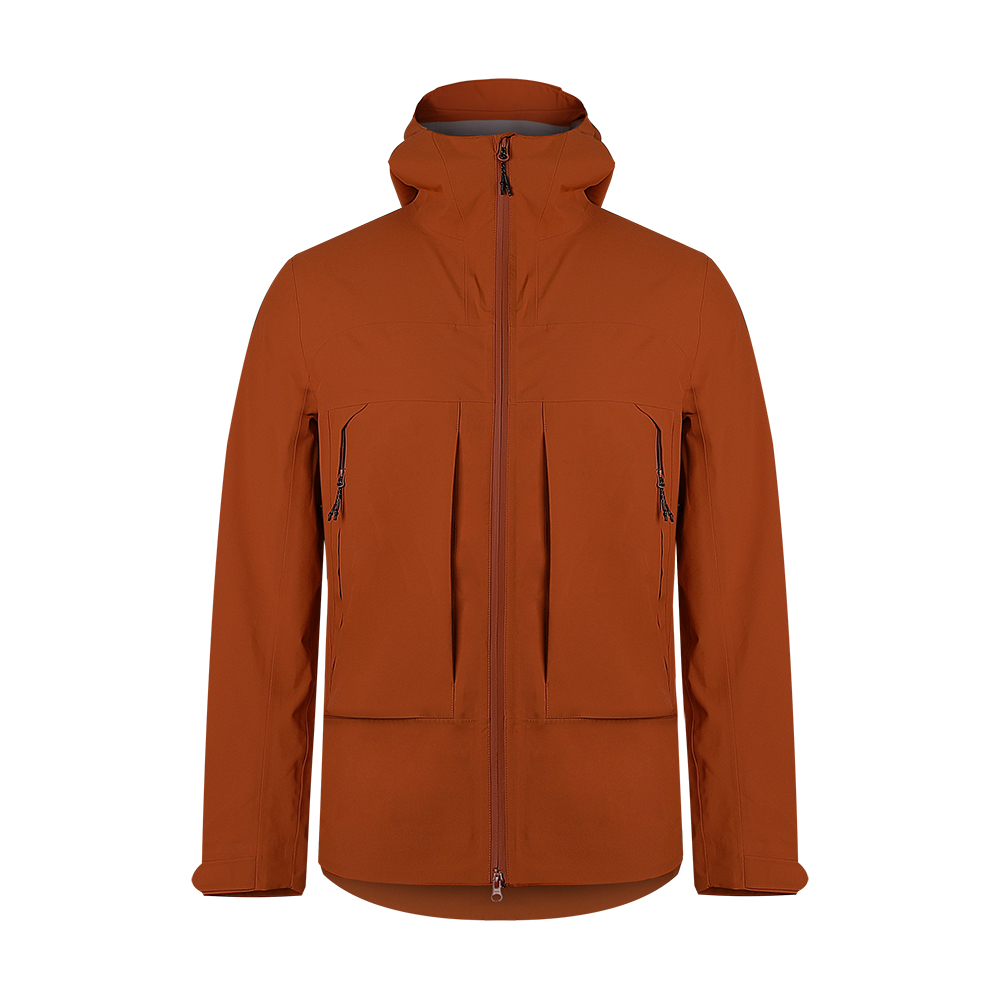
1. 3-Layer Jackets
A 3-layer jacket consists of an outer fabric, a waterproof-breathable membrane, and an inner protective layer all bonded together.
Advantages: Superior durability and reliable waterproof-breathability. Perfect for extended use in harsh conditions.
Best for: Mountaineering, skiing, multi-day treks, stormy weather.
2. 2.5-Layer Jackets
The 2.5-layer structure uses a thin coating or print on the inside of the waterproof membrane to add protection.
Advantages: Lightweight, highly packable, and easy to carry.
Best for: Day hikes, backpacking with weight savings in mind, short trips, or urban commuters seeking rain protection.
3. 2-Layer Jackets
A 2-layer jacket bonds the outer fabric with a waterproof membrane and typically adds a mesh or lining inside.
Advantages: Softer, more comfortable to wear.
Best for: Daily wear, light outdoor activities, and mild rainy days.
Conclusion
-
For extreme protection: Choose 3-layer.
-
For ultralight packing: Choose 2.5-layer.
-
For everyday comfort: Choose 2-layer.
Each construction has its own strengths. The key is matching the jacket to your environment. At Sherason, we specialize in technical outerwear and can customize waterproof jackets in all three constructions, helping brands deliver products that meet their exact market needs.
Is Your Waterproof Jacket Still Waterproof?
What is the "Magic Technology" Behind DWR on Outdoor Clothing?
Related Article
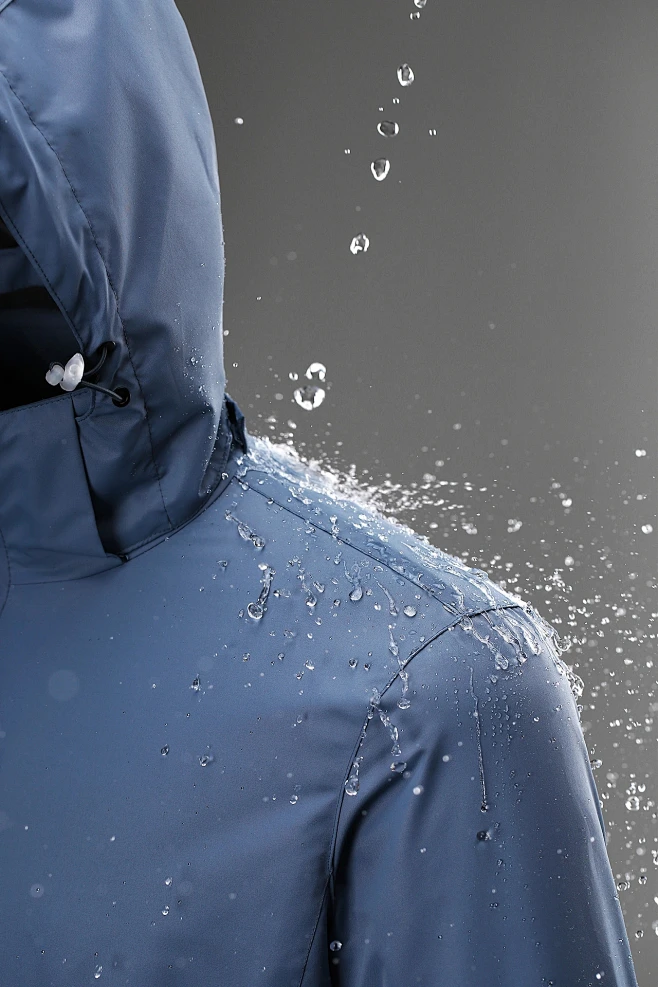
If you've been hanging your expensive gear on the balcony under direct sunlight, you need to read this.
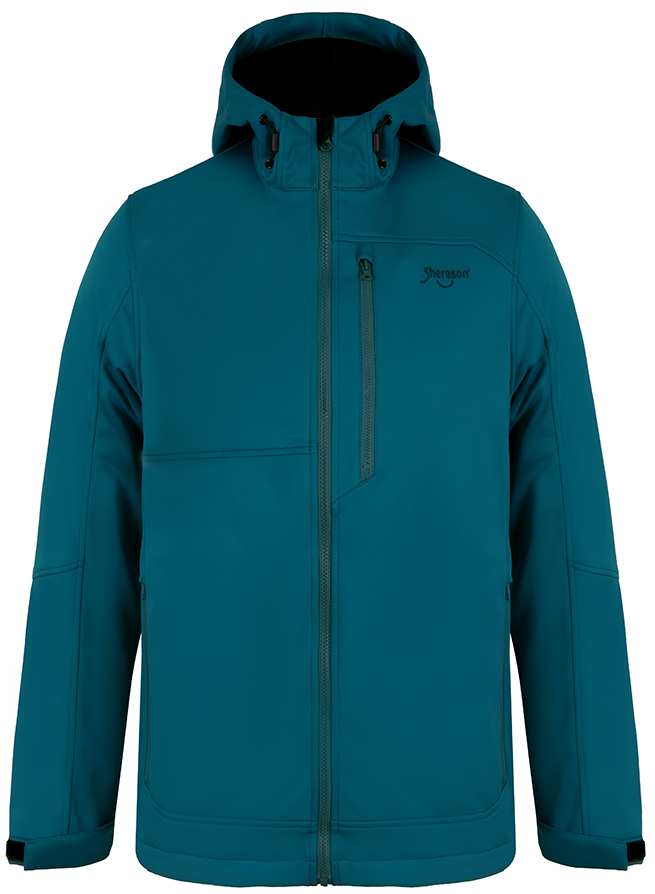
"If softshells are windproof and water-repellent, why can't they be fully waterproof like hardshell jackets?"