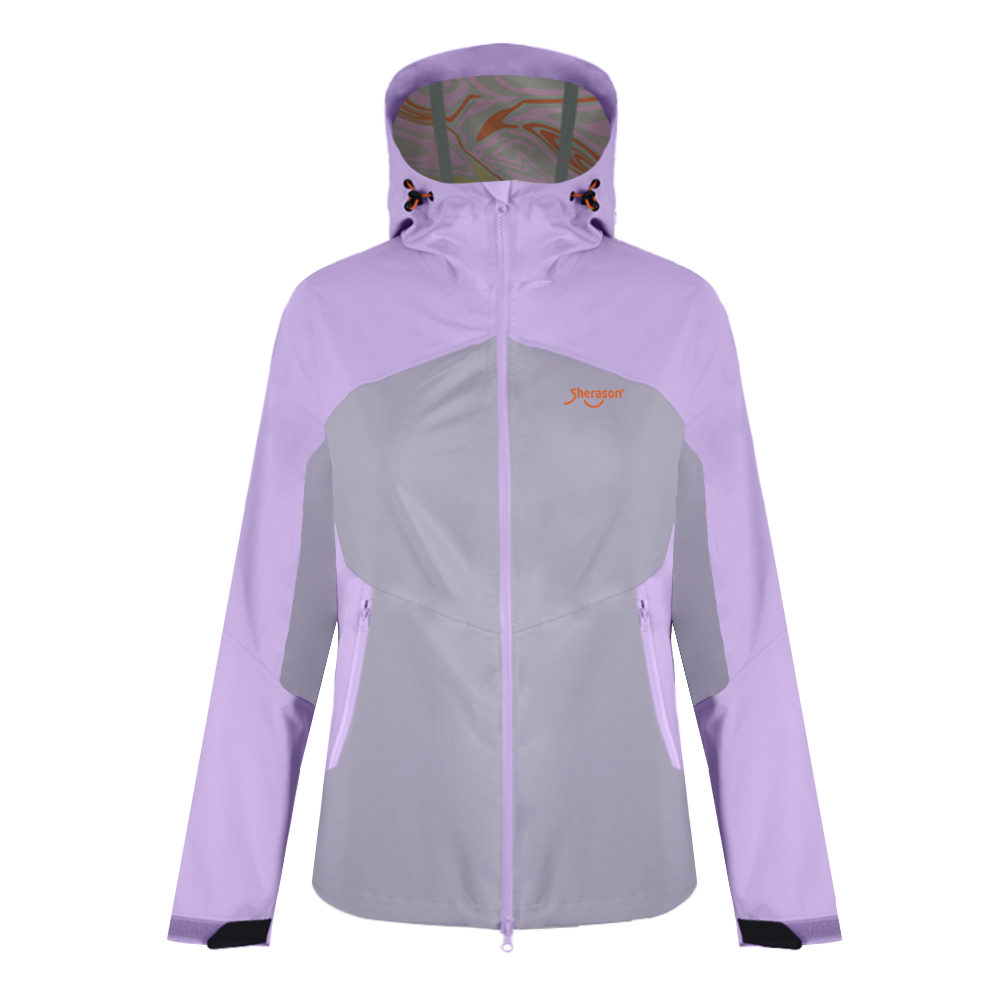
How to Make Outdoorwear Highly Waterproof?

Special Coating Technology: Waterproof fabrics for jackets generally use special coating technology such as PTFE (polytetrafluoroethylene) or PU (polyurethane).
PTFE coating, with its extremely low surface energy and microporous structure, effectively prevents water penetration while maintaining good breathability.
PU coating, is a hydrophilic fabric that is soft, elastic, strong and wear-resistant, but care needs to be taken to avoid hydrolysis.

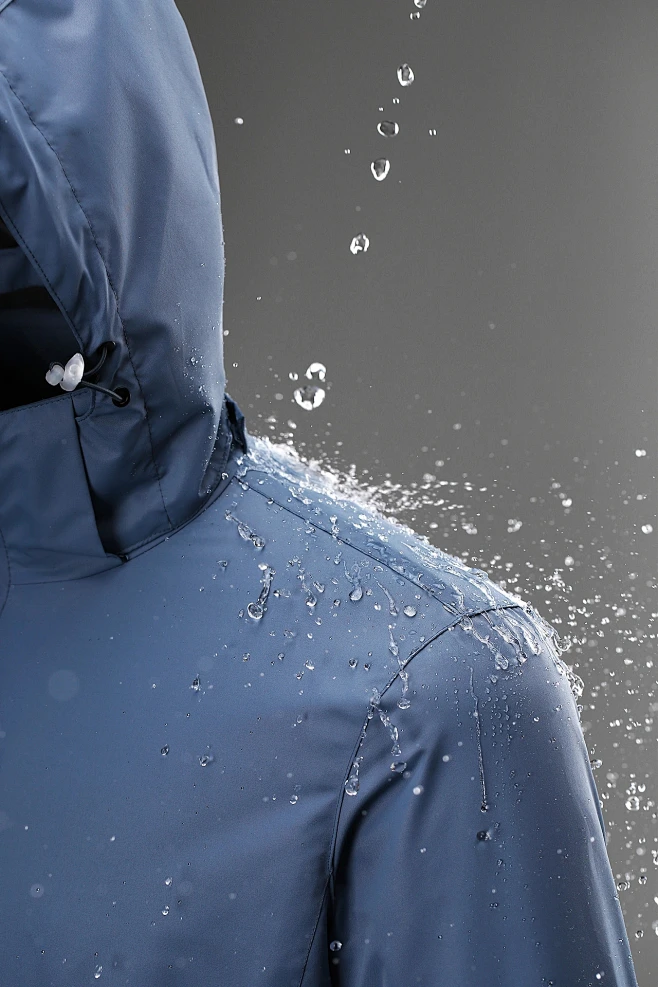
DWR treatment: The surface of the jacket is also usually treated with a DWR (durable water repellent) coating, which keeps the outer layer of the jacket dry by allowing moisture to form droplets on the surface of the fabric and slide off, i.e. the lotus leaf effect.

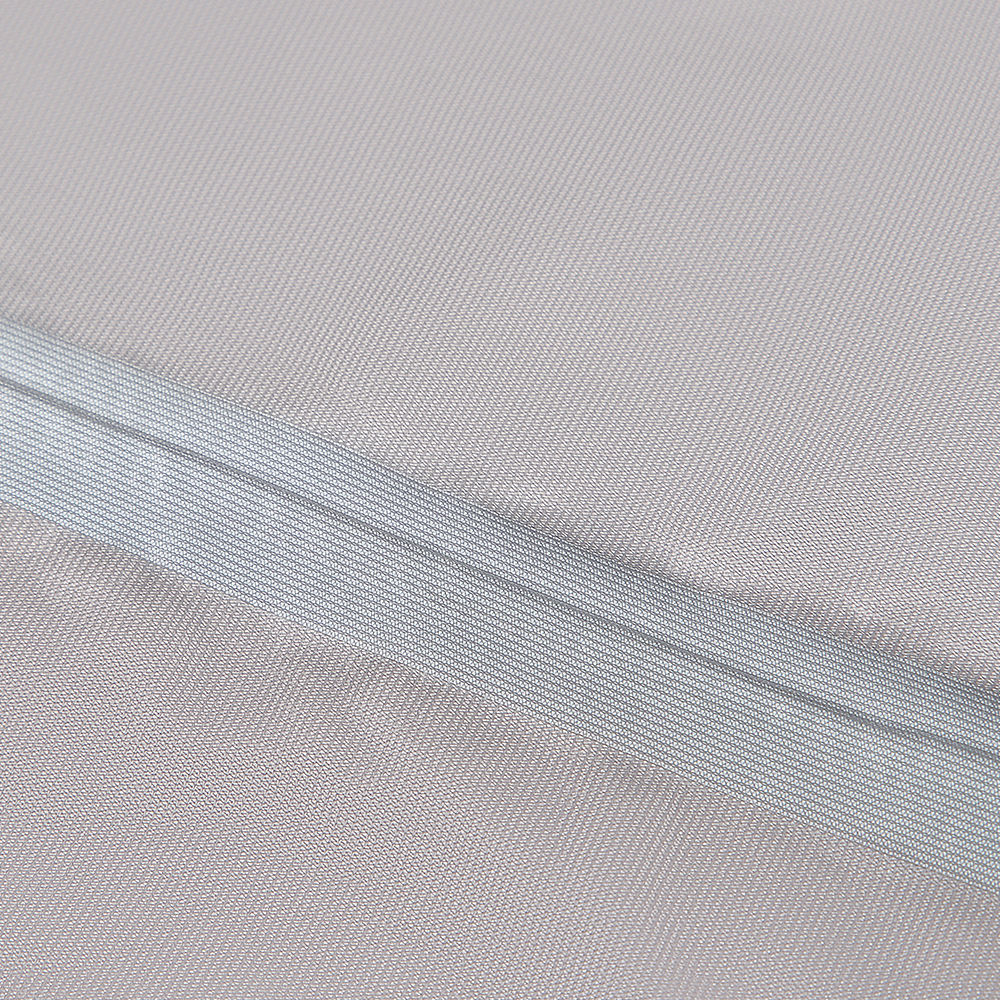
3. Evaluation and selection of waterproof jackets
Waterproof rating: The degree of waterproofness of a jacket depends on its waterproof rating, usually expressed in millimeters. The higher the rating, the longer the fabric's waterproofing lasts. Based on the waterproof rating, consumers can choose jackets that are suitable for different weather conditions.
Try on and check: When purchasing a jacket, consumers should try on and check the waterproofness of the jacket. Make sure the cuffs are long enough to cover the upper part of the back of the hand to prevent rainwater from seeping in and soaking the arm. Also, check that the seams of the jacket are taped to ensure that it is completely waterproof.
Professional Outdoorwear: Perfect Combination of Functionality and Utility
Embrace the Thrill: Discover the Serenity and Exhilaration of Surfing
Related Article
If you've been hanging your expensive gear on the balcony under direct sunlight, you need to read this.
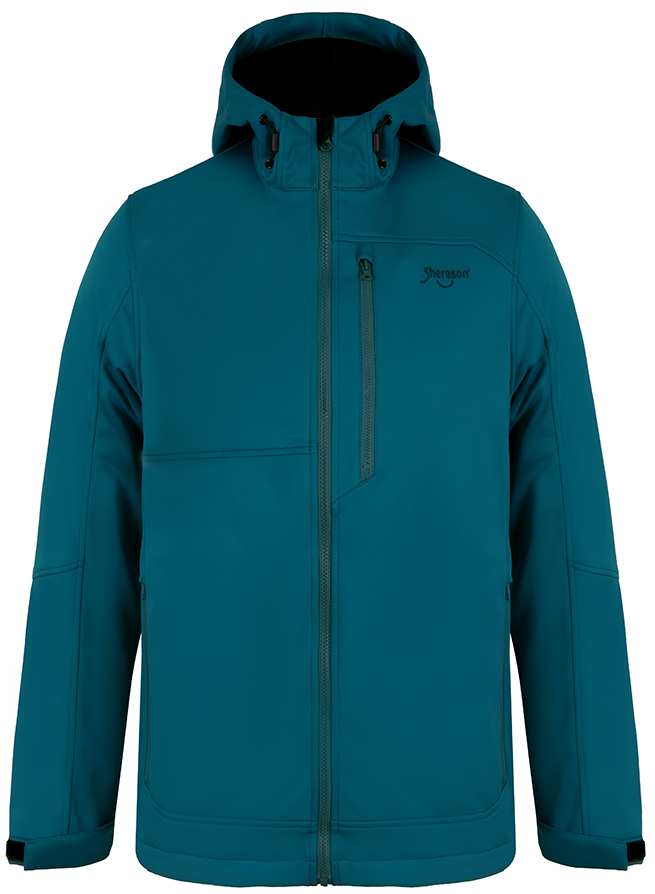
"If softshells are windproof and water-repellent, why can't they be fully waterproof like hardshell jackets?"