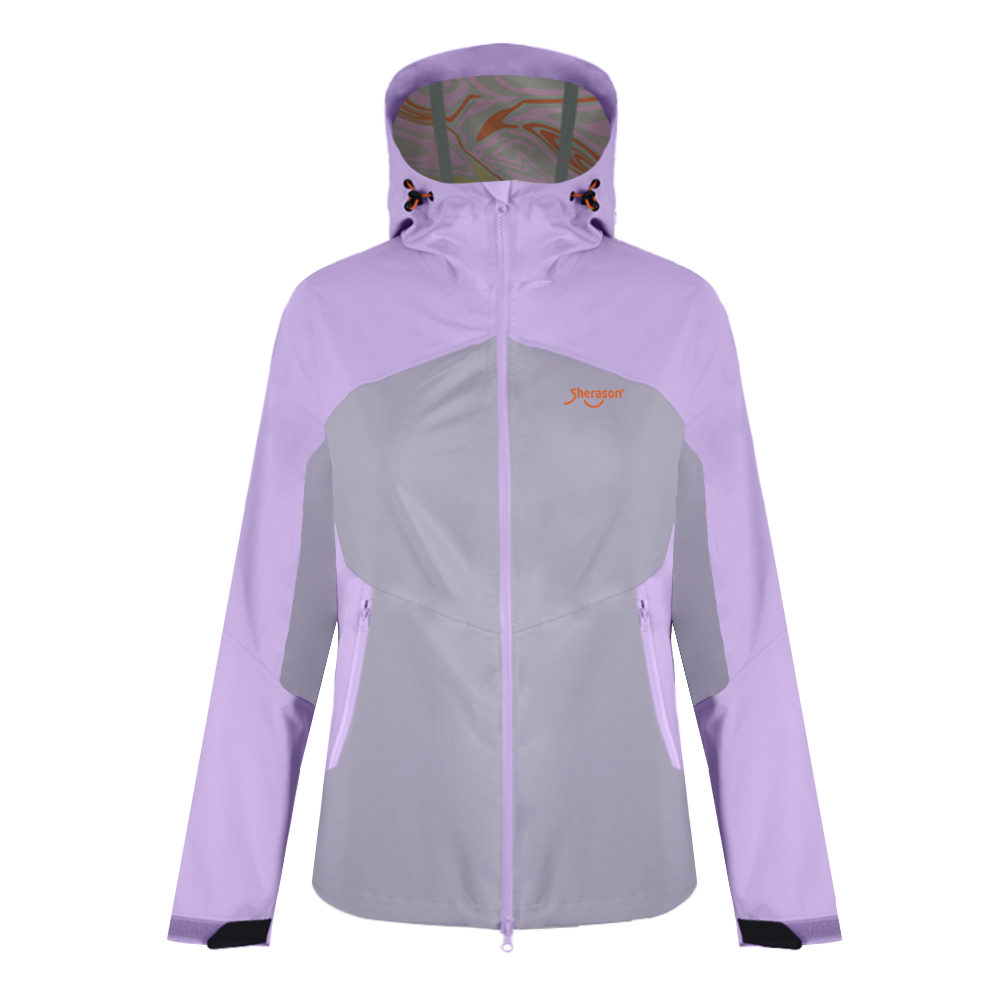
Pro Tip:How Does A Raincoat Balance Waterproofness With Breathability?

As a staple among outdoor sports enthusiasts, waterproof jackets have a sizable consumer base. One crucial feature of raincoats is their ability to be both waterproof and moisture-wicking. This enables wearers to efficiently disperse the sweat and water vapor generated during outdoor activities while also safeguarding against unpredictable rainfalls, providing excellent protection. So, how does a raincoat achieve the dual function of preventing rainwater from seeping in while allowing moisture to escape?
To answer this question, we must first understand the physical states of rainwater and water vapor. Rainwater is liquid water, composed of water molecules. The distance between water molecules in liquid water is very small, existing in the form of clusters of tens of thousands of water molecules, giving the entire water molecule cluster a relatively large diameter. Water vapor, on the other hand, is gaseous water, also composed of water molecules, but the distance between water molecules is hundreds of times larger than in liquid water. Water vapor molecule clusters typically contain only a small number of water molecules, resulting in a smaller diameter. If the diameter of the pores between fibers on the fabric is larger than that of water vapor molecule clusters but smaller than that of rainwater molecule clusters, such fabric can prevent rainwater from penetrating while allowing water vapor to pass through. The waterproof and moisture-wicking properties of raincoats are achieved by controlling the diameter of the pores on the fabric. Currently, there are two main types of mainstream waterproof and moisture-wicking membranes. One is a hydrophobic microporous membrane that provides waterproof properties through the hydrophobicity of the film and moisture-wicking properties through the micropores. The other is a hydrophilic non-porous membrane that blocks pores on the fabric with a non-porous film to provide waterproof properties and provides moisture-wicking properties through the hydrophilicity of the film. As for the surface moisture resistance of the fabric, it needs to be achieved through water repellent finishing of the fabric itself.
The hydrophobic microporous membrane achieves waterproof and breathable functions by controlling the size of the pores on the membrane. The currently used multi-microporous breathable membrane is a film with tiny pores made by extruding and stretching polytetrafluoroethylene resin. The size of the pores on the film can be controlled by adjusting process parameters such as stretching temperature, stretching distance, and stretching ratio during the stretching process. By adjusting the number of openings and the diameter of the pores on the film, products of different specifications can be produced, including high waterproof and low moisture permeability, medium waterproof and medium moisture permeability, and low waterproof and high moisture permeability. Raincoats made with multi-microporous breathable membranes often have excellent waterproof and moisture-wicking properties because water vapor can be directly expelled through the pores while water droplets cannot pass through them.
The hydrophilic non-porous membrane is made of thermoplastic polyurethane resin through the process of film blowing. Since the membrane itself is non-porous, it has excellent waterproof performance. Its moisture permeability is achieved by the transport of hydrophilic groups, which carry water vapor from the inside with a higher concentration to the outside with a lower concentration. Compared to ordinary coated fabrics, raincoats made with this method have significantly improved moisture permeability. However, since its moisture permeability relies on the transport of hydrophilic groups, it is slightly inferior to the direct penetration of water vapor through multi-microporous breathable membranes.
That's all for today's professional insights into the waterproof and breathable technologies used in raincoats.See you.
Embrace the Thrill of Surfing: Unleash Your Inner Wave Rider
Pro Tip: What Are 2L & 3L In Ski/Rain Gear And How to Choose?
Related Article
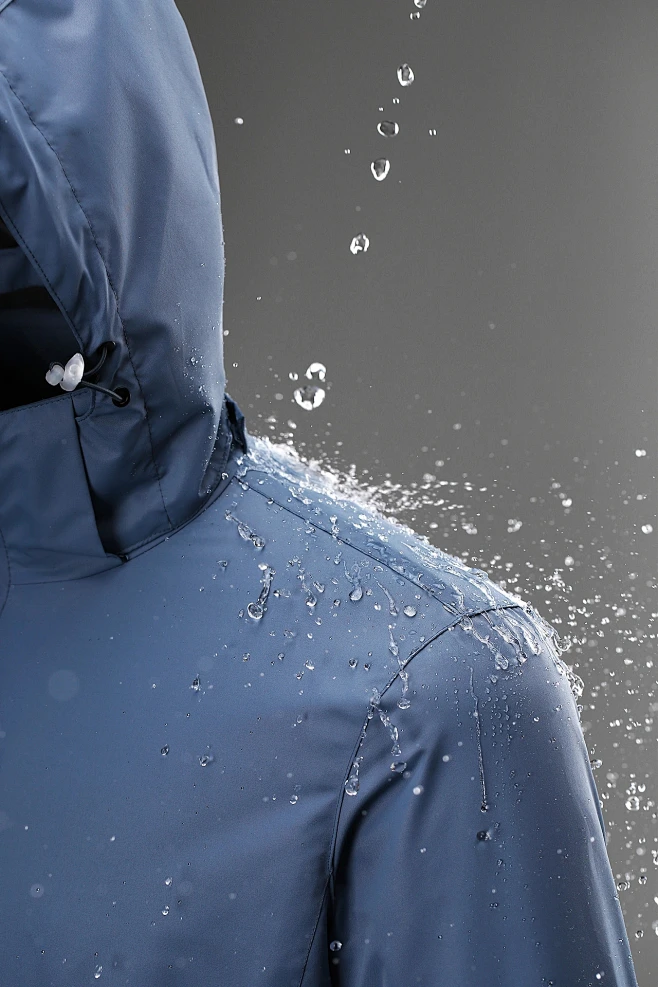
If you've been hanging your expensive gear on the balcony under direct sunlight, you need to read this.
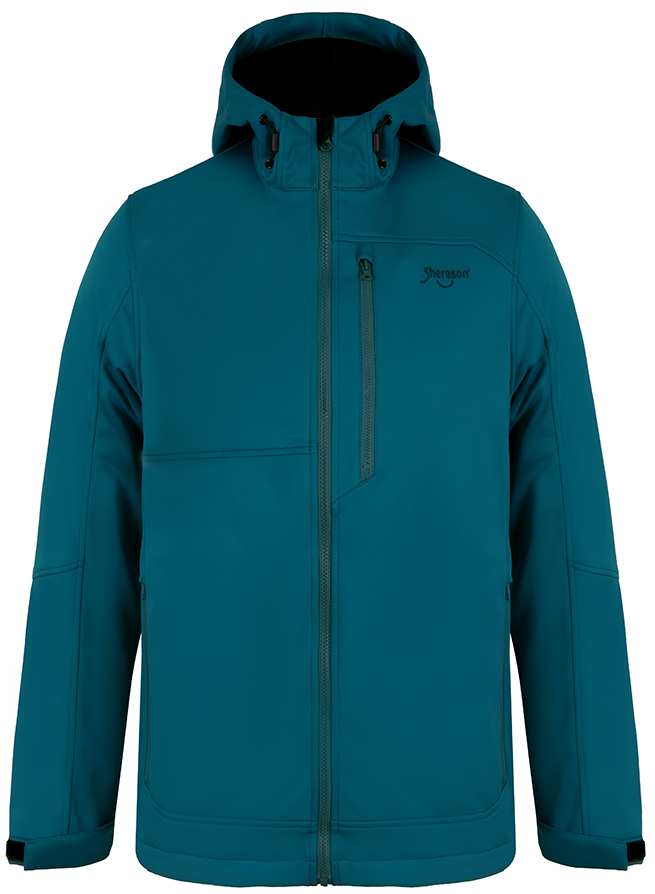
"If softshells are windproof and water-repellent, why can't they be fully waterproof like hardshell jackets?"