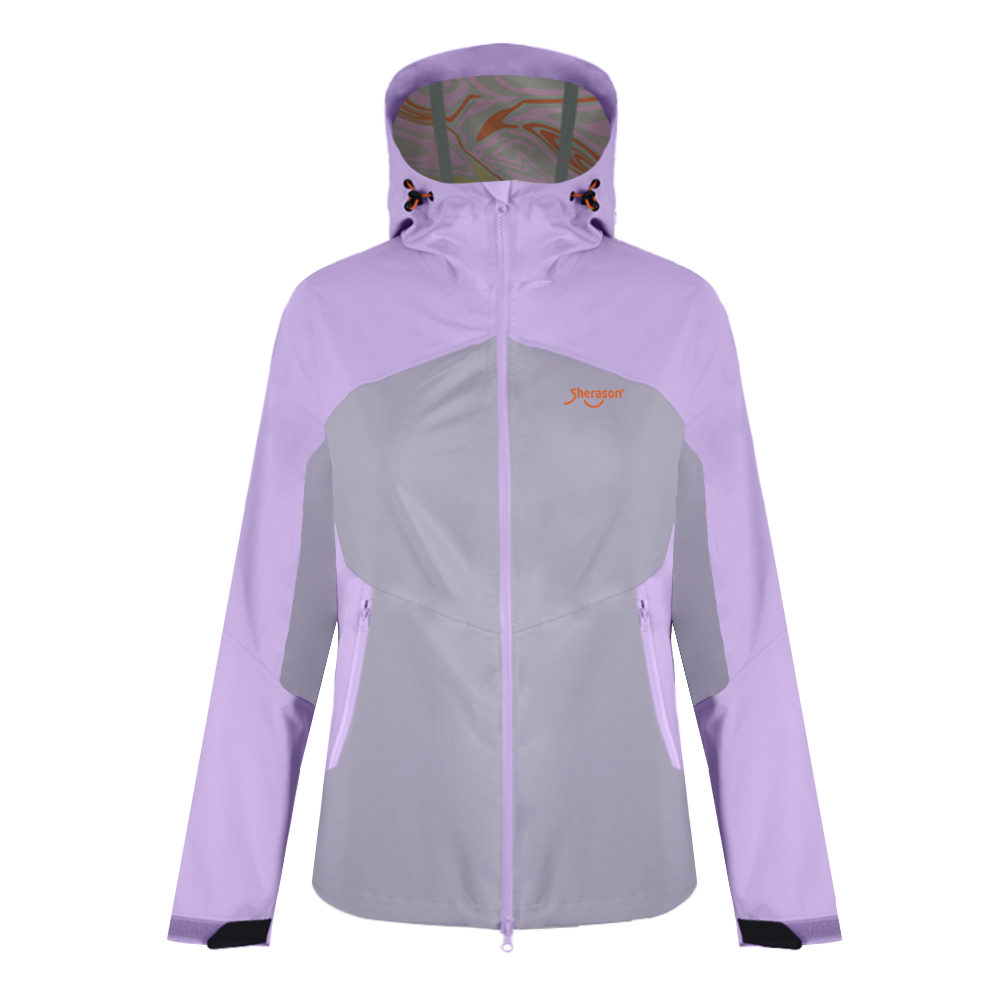
Pro Tip: What Are 2L & 3L In Ski/Rain Gear And How to Choose?

When selecting skiwear or rain jackets, you might encounter terms like 2L, 2.5L, and 3L. But what do these actually mean? Today, let's dive into the nitty-gritty and shed some light on these industry jargons.
The "L" in 2L and 3L stands for "Layer", with 2L referring to a two-layer construction, and 3L indicating a three-layer construction.
2 Layer
2L typically refers to a fabric with a direct film or coating applied to the back, which is a combination of the outer fabric and a waterproof membrane. Since the waterproof membrane of this fabric is exposed, outdoor brands generally add an additional lining or cotton layer to prevent wear and tear on the membrane.
Advantages: The price is relatively affordable due to the simpler production process compared to three-layer fabrics, and the requirements for garment craftsmanship are also lower. In ski suits and rain jackets, leaks are more likely to occur at the seams rather than the fabric itself, so seams are usually treated with tape-sealed heat sealing. With 2L, the quality of the tape-sealed seams is difficult to discern due to the lining, akin to covering a floor tile with a carpet, making it impossible to see the quality of the tile joints.
Disadvantages: Adding a lining to the garment makes it thicker, bulkier, and less lightweight. Users engaging in light outdoor activities or daily wear may opt for this type of fabric.
2.5 Layer
2.5L fabric is an enhancement over 2L, incorporating additional special coating treatments to improve the fabric's waterproofness and protection. Simply put, it's a combination of the outer fabric, a waterproof membrane, and a coating layer. It's akin to spraying an additional layer of waterproof sealant over floor tiles. Therefore, 2.5L fabric offers superior water resistance, but its breathability may be relatively weaker due to the additional coating layer.
3 Layer
3L fabric is constructed with three reinforced layers, typically consisting of a high-performance, water-resistant, and windproof outer fabric, a microporous waterproof and breathable membrane, and a reinforcing layer pressed together, adding an extra layer of fabric.
Advantages: Because the reinforcing layer is more breathable than a coating, 3L fabric offers better breathability than 2.5L, is lighter than 2L, and exhibits superior durability, water resistance, and wear resistance.
Disadvantages: It is relatively heavy, rigid, and expensive, with demanding craftsmanship requirements for garment production. Additionally, all the tape-sealed seams on 3L fabric are visible, necessitating high standards for machinery and workmanship, which reflects quality and attention to detail. This translates to a relatively higher price for the finished garment. This type of fabric is commonly used for extreme sports such as skiing and outdoor activities in harsh environments.
Choose the right fabric that fits your needs and enjoy outdoor activities with ease and comfort!
That's all for today's sharing! See you next time!
Pro Tip:How Does A Raincoat Balance Waterproofness With Breathability?
Elegance Meets Adventure: Your Ultimate Equestrian Coat for Unforgettable Rides
Related Article
If you've been hanging your expensive gear on the balcony under direct sunlight, you need to read this.
"If softshells are windproof and water-repellent, why can't they be fully waterproof like hardshell jackets?"