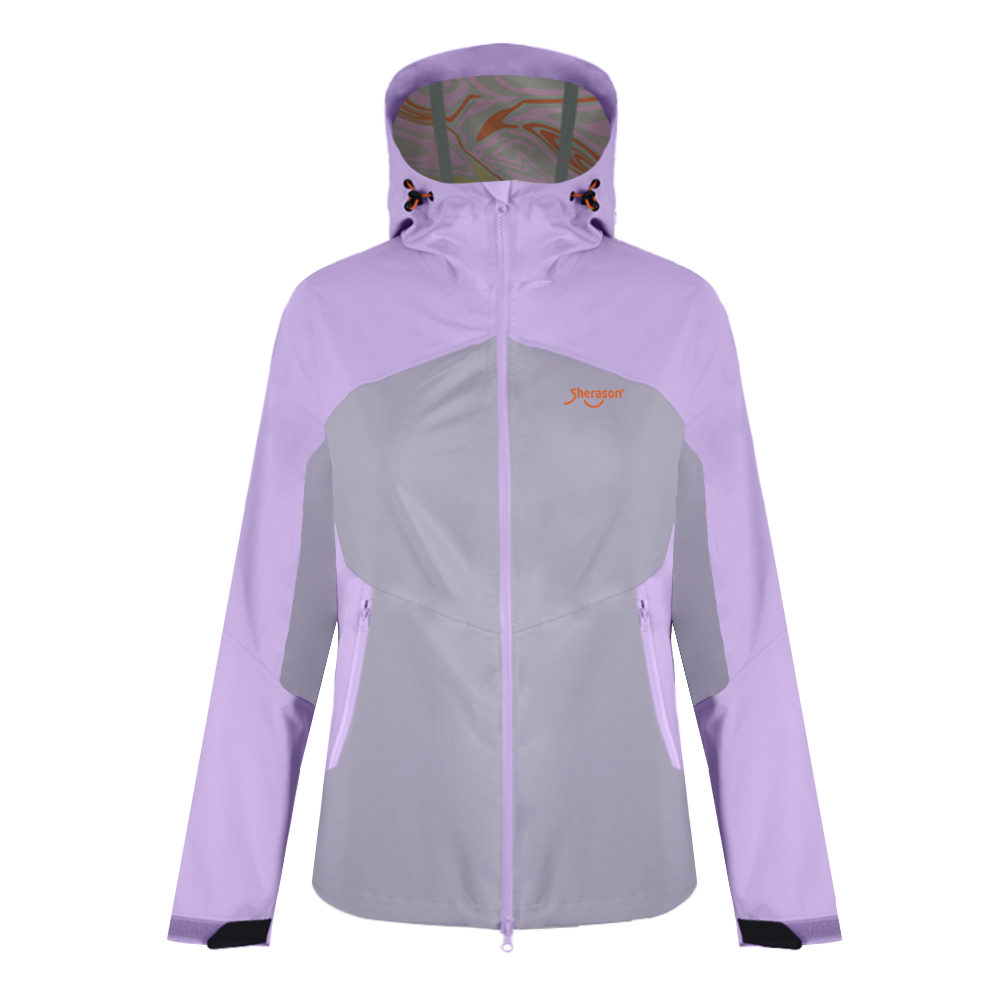
How to choose one jacket to climbing?
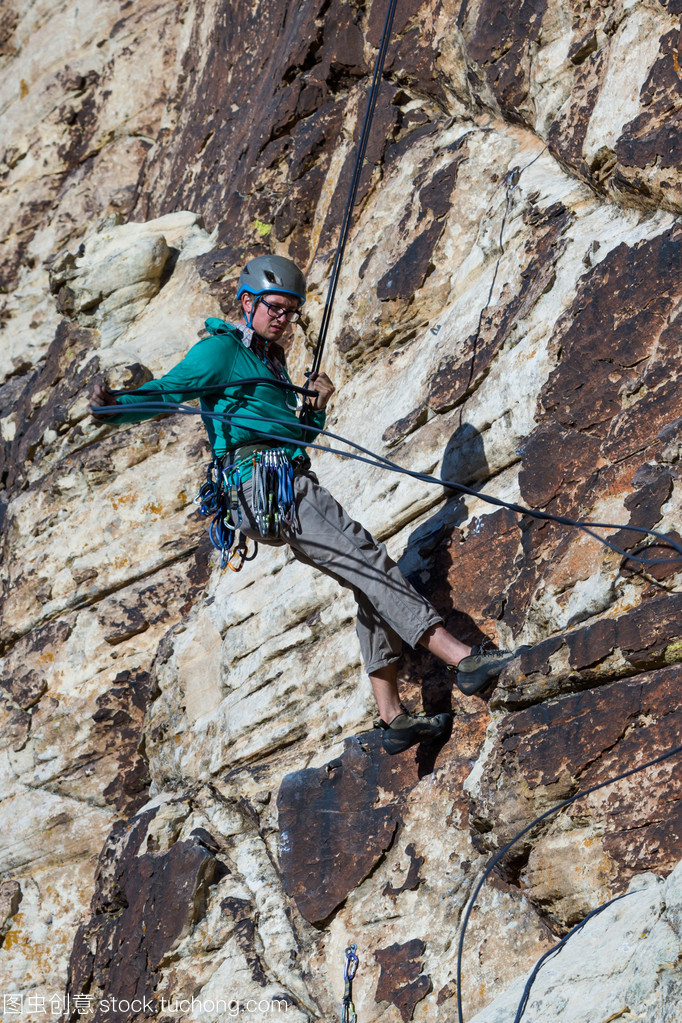
When it comes to climbing, having the right gear can make all the difference. And one essential piece of equipment that often gets overlooked but plays a crucial role is your jacket. Whether you're tackling a challenging rock face, scaling a frozen mountain, or simply enjoying a day out at the local climbing spot, a good climbing jacket can provide the protection, warmth, and flexibility you need to perform your best. But with so many options on the market, how do you choose the perfect one?
I. Fabric Selection
1. High waterproof index
Waterproof index (unit: MMH₂O) is an important indicator of the waterproof performance of the jacket. The larger the value, the better the waterproof performance. For rock climbing activities, it is recommended to choose a jacket with a waterproof index of 8000 MMH₂O or more to ensure that the body stays dry even when there is sudden rainfall during the climbing process.
2. High moisture permeability index
Rock climbing is a high-intensity sport, the body will sweat a lot. Therefore, the breathability of the jacket is equally important. Moisture permeability index (unit: G/M²/24HRS) indicates how much water vapor 1 square meter of fabric can permeate in 24 hours. It is recommended to choose a jacket with a breathability index of 4000G/M²/24HRS or more to ensure that sweat can be quickly discharged to keep your body dry and comfortable.
3. Abrasion and tear resistance
Considering the possibility of friction with rocks and other hard objects when climbing, the jacket is made of wear-resistant and tear-resistant fabrics to improve the durability of the jacket.
4. Stretchy
Some of the jackets are made of elastic fabric, which provides better freedom of movement and is suitable for dynamic sports such as rock climbing.
II. Design Details
1. Adjustable cuffs and hem: Climbing may require frequent arm extension and posture adjustments, so the adjustable cuffs and hem can be designed to better fit the body and prevent the intrusion of wind and rain.
2. Hood:
a) Hooded design: Hooded design can provide extra head protection against wind and rain.
b)Adjustable system: Hats should preferably have adjustable features to accommodate different head sizes and weather conditions.
c) Helmet Compatible: Designed for rock climbing, the hood can be compatible with helmets to provide comprehensive head protection without blocking vision.
3. Multi-functional pockets: You may need to carry some essential items such as cell phone, energy bar, etc. when climbing. The multifunctional pockets on the jacket allow for easy storage of these items while keeping your hands free.
4. Underarm Ventilation Design: There are zippers or vents designed in the armpits to improve the breathability of the jacket, accelerate the sweat out, and keep your body dry.
5. Lightweight and Flexible: Climbing jackets should be lightweight and flexible so that you can move freely during the climbing process. Avoid choosing a jacket that is too heavy or stiff, so as not to affect the climbing performance.
Ⅲ. Special design
1. Rubberized neck protection design:
The high collar and press-glued neck protector design provide better neck protection and warmth.
2. Velcro cuffs:
Convenient to adjust the size of the cuffs, while reducing the cumbersome and improving the convenience of wearing.
3. waterproof zipper:
The zippers on the jacket are waterproof to ensure that the jacket stays sealed in bad weather conditions.
In conclusion, choosing the right climbing jacket requires careful consideration of several key factors, including material, fit, features, and weather conditions. By understanding your specific needs and preferences, and by taking the time to research and try on different options, you can find a jacket that will not only keep you protected and comfortable during your climbs, but also enhance your overall experience. Remember, a good climbing jacket is an investment in your safety and enjoyment, so choose wisely and climb with confidence. Happy climbing!
How to Matain the Cycling Jacket
The Lightweight Revolution: How Outdoor Clothing Balances Weight and Function
Related Article
If you've been hanging your expensive gear on the balcony under direct sunlight, you need to read this.
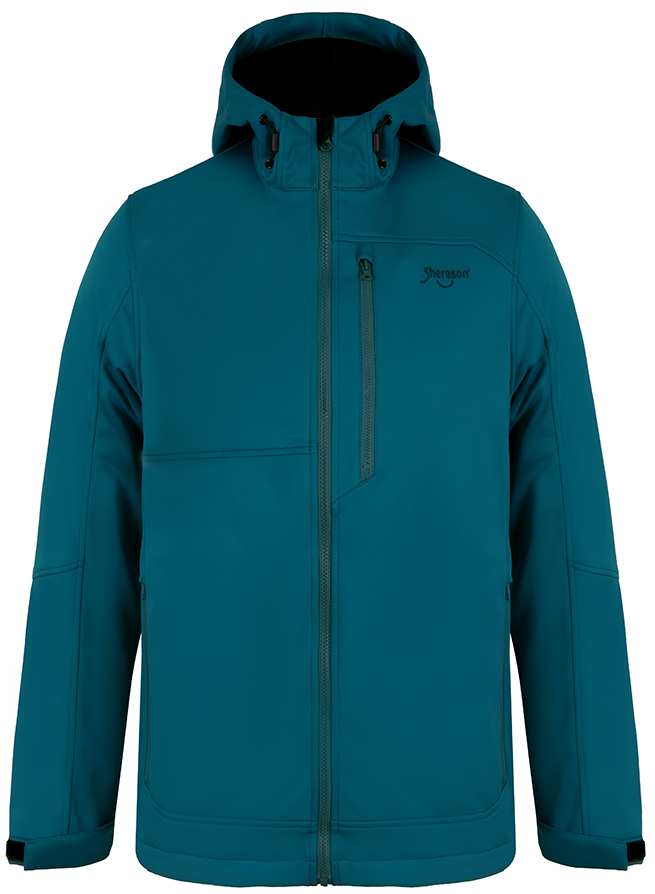
"If softshells are windproof and water-repellent, why can't they be fully waterproof like hardshell jackets?"