
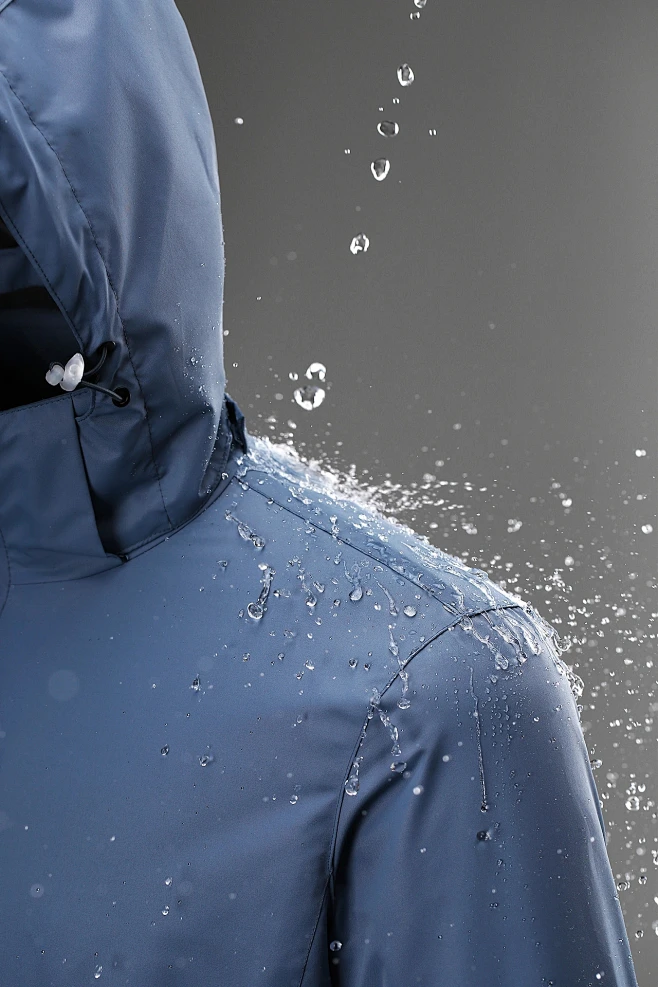
How to maintain ski Jacket
author: Florine.Zhang
2025-01-24
Washing method
Hand wash vs machine wash
It is recommended to wash ski suits by hand rather than machine wash. Hand washing can better control the strength and avoid damaging the waterproof coating and fabric of ski suits. If you use a washing machine, you should choose a gentle mode, the water temperature should not exceed 40℃, and avoid high-speed spin drying.
Hand wash vs machine wash
It is recommended to wash ski suits by hand rather than machine wash. Hand washing can better control the strength and avoid damaging the waterproof coating and fabric of ski suits. If you use a washing machine, you should choose a gentle mode, the water temperature should not exceed 40℃, and avoid high-speed spin drying.
Choice of detergent
Use neutral detergent or special outdoor clothing detergent. Such products can effectively remove dirt without damaging the special waterproof layer on the clothes. Avoid using ordinary laundry detergent or strong laundry detergent, as the ingredients in them may damage the waterproof coating of ski suits.
Washing steps
Local cleaning: For areas with obvious stains, you can first use a soft brush to dip a small amount of detergent for local cleaning.
Overall cleaning: Put the ski suit in clean water and rub it gently to avoid excessive cleaning and damage to the material.
Rinse: After rinsing, rinse thoroughly with clean water to avoid residual detergent.
Local cleaning: For areas with obvious stains, you can first use a soft brush to dip a small amount of detergent for local cleaning.
Overall cleaning: Put the ski suit in clean water and rub it gently to avoid excessive cleaning and damage to the material.
Rinse: After rinsing, rinse thoroughly with clean water to avoid residual detergent.
Drying and storage
Drying method
Avoid using a dryer at high temperatures. If you use a dryer, use a low and gentle setting. Avoid machine washing and drying too quickly to prevent damage to the waterproof shell. Air drying is the best option to avoid high temperatures and direct sunlight.
Storage method
Ski suits should not be folded. They should be hung after being covered with dust bags to prevent creases from affecting the waterproof and thermal properties of the clothing. Choose a dry and clean storage environment to avoid moisture that causes mildew or insect infestation. Regular use of desiccant will help keep ski suits dry and clean for a long time.
Waterproof performance maintenance
If the waterproof performance of the ski suit is found to have decreased, it can be repaired with a special waterproof agent or waterproof spray, especially for areas with more severe wear such as collars and cuffs. After washing and drying, a waterproof repair spray, such as misscell waterproof spray, can be used to restore the waterproof performance of the ski suit.
How to choose the right softshell jacket for you: an all-around guide
Embarking on a Hiking Adventure? Don't Forget Your Jacket!
Related Article
We all love the smell of sun-dried laundry. It feels natural, clean, and traditional. But when it comes to your technical outdoor gear—especially your waterproof hardshells and trekking pants—the sun is actually Enemy No. 1.
If you've been hanging your expensive gear on the balcony under direct sunlight, you need to read this.
Did You Know? The "Sun Cure" Might Be Killing Your Waterproof Gear.
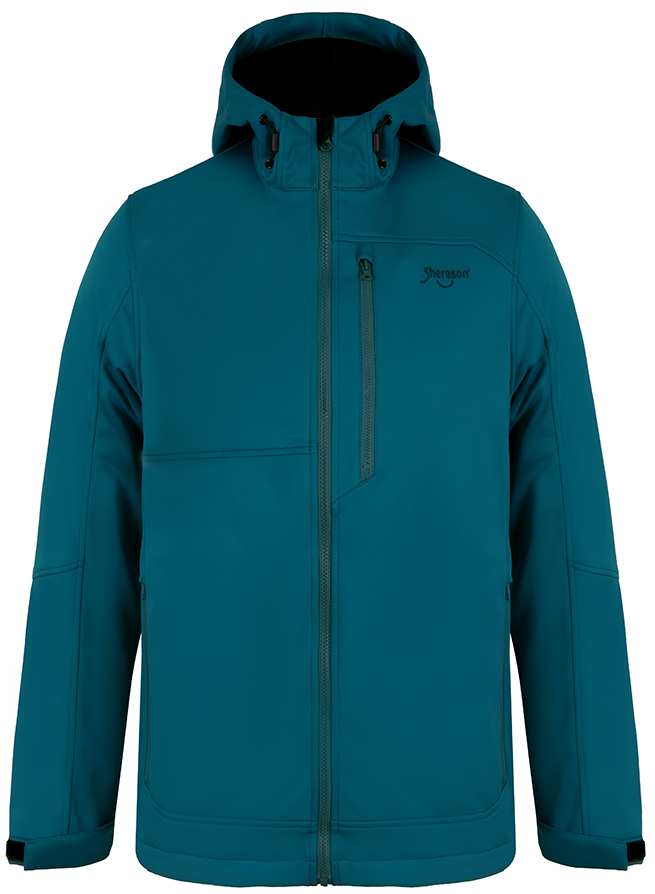
When choosing outdoor jackets, a common question arises:
"If softshells are windproof and water-repellent, why can't they be fully waterproof like hardshell jackets?"
Why Aren't Softshell Jackets Fully Waterproof?

When you're planning your next backcountry adventure, performance is everything. You need a jacket that stands up to howling winds and driving rain, keeping you impeccably dry. But have you ever considered that the gear protecting you can also protect the very nature you're exploring?
Beyond Waterproof: Your Jacket is a Promise to the Future.

Your waterproof jacket is your essential shield against the rain, thanks to its invisible, breathable membrane. But what happens when this vital layer wears out? If you're noticing these three signs, it's time for a replacement.
Is Your Waterproof Jacket Failing? 3 Tell-Tale Signs of a Worn-Out Membrane