
How to Maintain Your Winter Jacket
author: Florine.zhang
2025-05-10
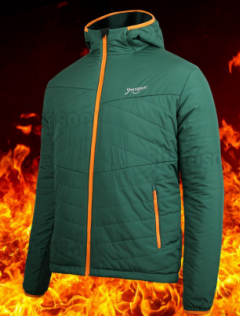
Winter is over, and it’s time to pack away your cozy jackets until next year. But simply tossing them in the closet can lead to odors, wrinkles, or even damage. Follow these expert tips to store your winter jackets the right way, ensuring they stay fresh, clean, and in perfect condition for seasons to come!
1.Clean Before Storing
Never store a dirty jacket! Sweat, oils, and stains can attract pests or cause permanent damage. Check the care label and:
Never store a dirty jacket! Sweat, oils, and stains can attract pests or cause permanent damage. Check the care label and:
Machine-washable? Use a gentle cycle with mild detergent.
Down-filled? Avoid fabric softeners—they can reduce loft.
Leather or wool? Opt for professional cleaning to preserve quality.
2.Repair & Prep
Inspect zippers, buttons, and seams. Small repairs now prevent bigger issues later. For down jackets, fluff them up to restore their insulation before storage.
Inspect zippers, buttons, and seams. Small repairs now prevent bigger issues later. For down jackets, fluff them up to restore their insulation before storage.
3. Choose the Right Storage
Breathable Garment Bags – Ideal for wool or down jackets to prevent moisture buildup.
Breathable Garment Bags – Ideal for wool or down jackets to prevent moisture buildup.
Hanging vs. Folding – Heavy coats (like parkas) should be hung on padded hangers to retain shape. Lightweight jackets can be folded neatly.
Avoid Plastic Bags – Trapped moisture leads to mildew.
4. Protect Against Pests & Odors
Add natural repellents like cedar blocks or lavender sachets.
Add natural repellents like cedar blocks or lavender sachets.
For extra freshness, place a small box of baking soda in the storage area.
5. Store in a Cool,Dry Place
Humidity and heat are enemies of fabrics. Avoid attics or basements—opt for a closet or under-bed storage instead.
Humidity and heat are enemies of fabrics. Avoid attics or basements—opt for a closet or under-bed storage instead.
Bonus Tip: Vacuum-Seal with Caution!
While vacuum bags save space, they can crush down or synthetic insulation. If using one, leave a little air to maintain the jacket’s structure.
While vacuum bags save space, they can crush down or synthetic insulation. If using one, leave a little air to maintain the jacket’s structure.
Waterproof Zipper Trivia
How to Choose The Waterproof Cycling Jacket?
Related Article
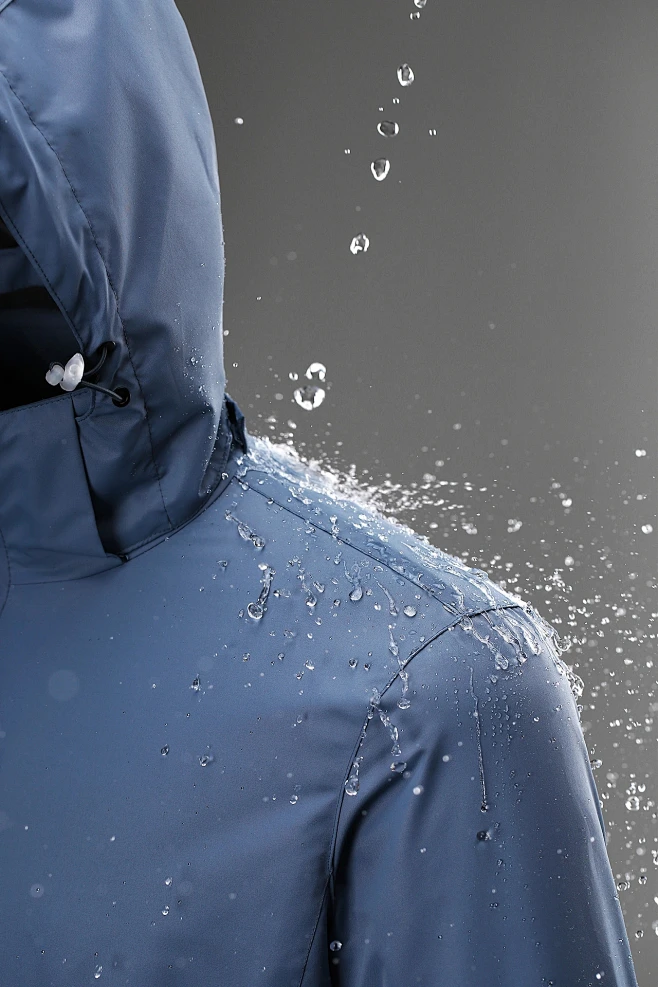
We all love the smell of sun-dried laundry. It feels natural, clean, and traditional. But when it comes to your technical outdoor gear—especially your waterproof hardshells and trekking pants—the sun is actually Enemy No. 1.
If you've been hanging your expensive gear on the balcony under direct sunlight, you need to read this.
If you've been hanging your expensive gear on the balcony under direct sunlight, you need to read this.
Did You Know? The "Sun Cure" Might Be Killing Your Waterproof Gear.
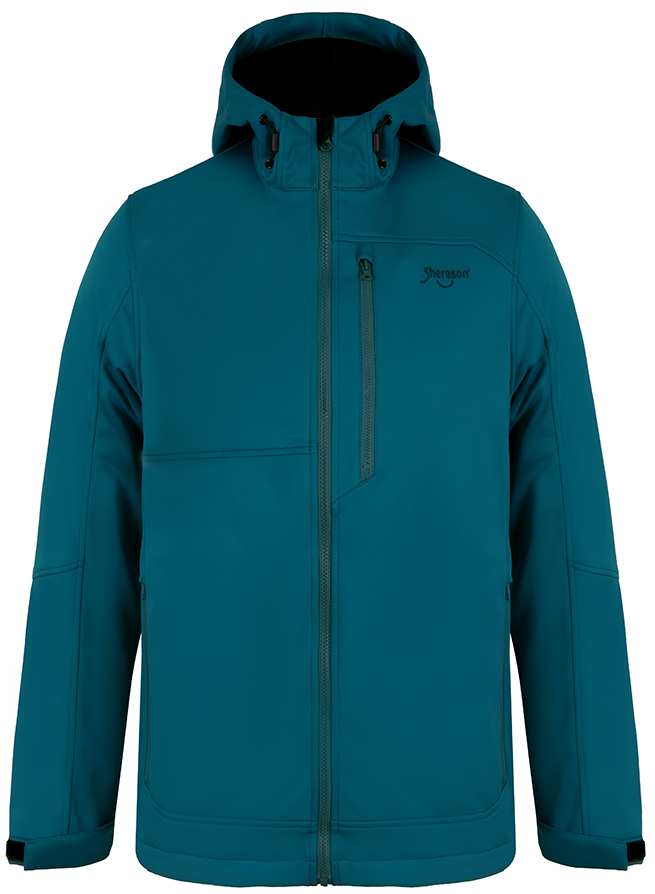
When choosing outdoor jackets, a common question arises:
"If softshells are windproof and water-repellent, why can't they be fully waterproof like hardshell jackets?"
"If softshells are windproof and water-repellent, why can't they be fully waterproof like hardshell jackets?"
Why Aren't Softshell Jackets Fully Waterproof?

When you're planning your next backcountry adventure, performance is everything. You need a jacket that stands up to howling winds and driving rain, keeping you impeccably dry. But have you ever considered that the gear protecting you can also protect the very nature you're exploring?
Beyond Waterproof: Your Jacket is a Promise to the Future.
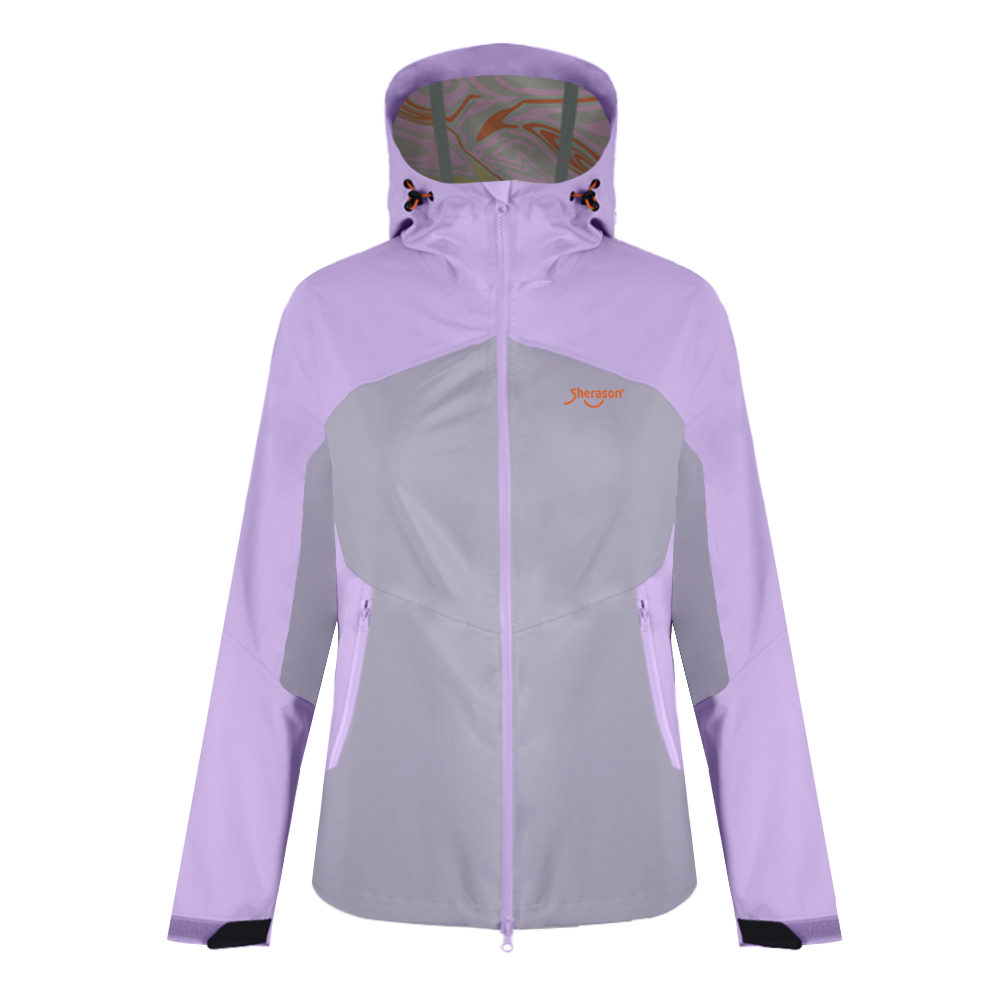
Your waterproof jacket is your essential shield against the rain, thanks to its invisible, breathable membrane. But what happens when this vital layer wears out? If you're noticing these three signs, it's time for a replacement.
Is Your Waterproof Jacket Failing? 3 Tell-Tale Signs of a Worn-Out Membrane