
How to Matain the Cycling Jacket
author: Florine
2025-03-27

The maintenance and care of cycling jackets require targeted measures based on the characteristics of the material.
The following are comprehensive suggestions:
1. Precautions for daily use
Timely cleaning:
Timely cleaning:
Sweat residue is easy to breed bacteria and corrode the fabric. It is recommended to wash it immediately after riding, or at least ventilate and dry it.
If it cannot be washed in time, it should be hung in a ventilated place to dry to avoid long-term sweat stains.
Mainly hand washing:
Use gentle hand washing to avoid rubbing hard to cause fabric deformation or fiber damage.
Use gentle hand washing to avoid rubbing hard to cause fabric deformation or fiber damage.
Gentle washing:
The washing water temperature is controlled at 20-35℃ to avoid high temperature burns that weaken the fiber or damage the reflective material.
The washing water temperature is controlled at 20-35℃ to avoid high temperature burns that weaken the fiber or damage the reflective material.
A small amount of disinfectant can be added to enhance the cleaning effect. Difficult-to-wash stains can be soaked in detergent first.
2. Cleaning and drying
Local treatment of stains:
Local treatment of stains:
If there are sweat stains or dirt on the cycling jacket, wipe it with a soft dry cloth to avoid soaking the whole.
Natural drying:
Choose a cool and ventilated place to dry naturally, and avoid direct sunlight that causes fading or aging of the material.
Choose a cool and ventilated place to dry naturally, and avoid direct sunlight that causes fading or aging of the material.
If you need to shorten the drying time, you can use short-term sunlight to sterilize, but you need to dry it upside down.
3. Long-term storage
Store upside down:
When storing, use hangers upside down to avoid folding marks or fabric deformation. If you use a wardrobe, it is recommended to hang it in a cloakroom or a well-ventilated corner.
Store upside down:
When storing, use hangers upside down to avoid folding marks or fabric deformation. If you use a wardrobe, it is recommended to hang it in a cloakroom or a well-ventilated corner.
Moisture and mildew proof:
The storage environment needs to be kept dry, and mothballs can be placed to prevent insects, but direct contact should be avoided. If mildew is found, it should be wiped with a soft dry cloth first, and then professionally cleaned.
The storage environment needs to be kept dry, and mothballs can be placed to prevent insects, but direct contact should be avoided. If mildew is found, it should be wiped with a soft dry cloth first, and then professionally cleaned.
Regular maintenance:
Every 1-2 years, you can wipe the surface with leather oil to restore the gloss. Before wearing in winter or when changing seasons, you can use a brush to dip a small amount of oil and brush it smoothly, and avoid using shoe polish.
Every 1-2 years, you can wipe the surface with leather oil to restore the gloss. Before wearing in winter or when changing seasons, you can use a brush to dip a small amount of oil and brush it smoothly, and avoid using shoe polish.
4. Special precautions
Avoid chemical damage:
Avoid chemical damage:
Alkaline detergents or gasoline are prohibited when washing to prevent the leather from hardening or cracking.
Separate washing:
If the cycling clothes have zippers, metal accessories, etc., they need to be washed separately, and avoid mixing with sharp objects or dark clothes.
If the cycling clothes have zippers, metal accessories, etc., they need to be washed separately, and avoid mixing with sharp objects or dark clothes.
Durability of Outdoor Clothing: The Mystery of Stitching and Detailed Designs
How to choose one jacket to climbing?
Related Article
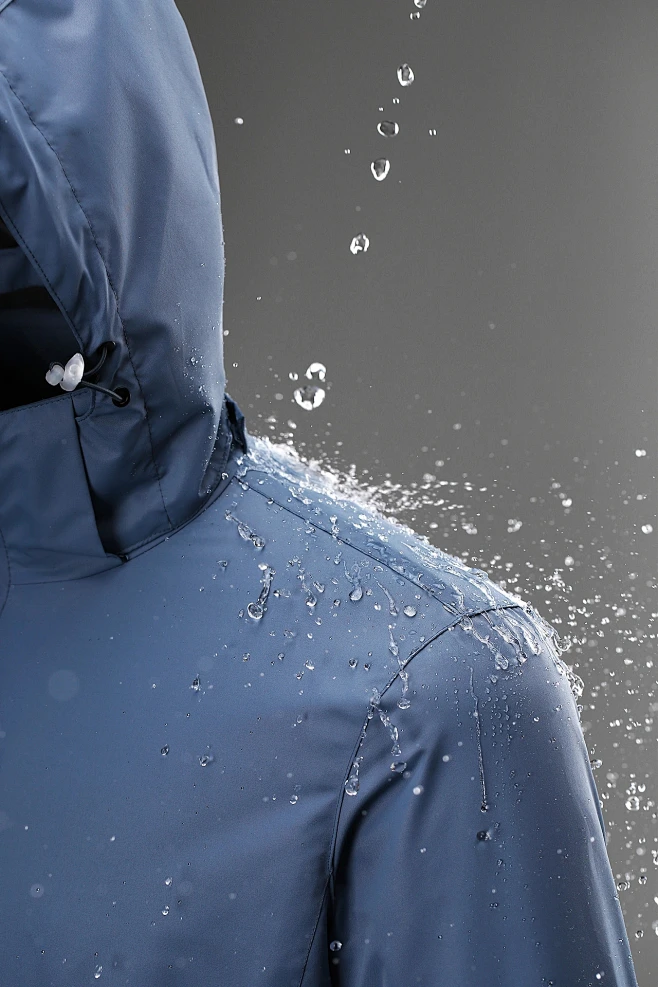
We all love the smell of sun-dried laundry. It feels natural, clean, and traditional. But when it comes to your technical outdoor gear—especially your waterproof hardshells and trekking pants—the sun is actually Enemy No. 1.
If you've been hanging your expensive gear on the balcony under direct sunlight, you need to read this.
If you've been hanging your expensive gear on the balcony under direct sunlight, you need to read this.
Did You Know? The "Sun Cure" Might Be Killing Your Waterproof Gear.
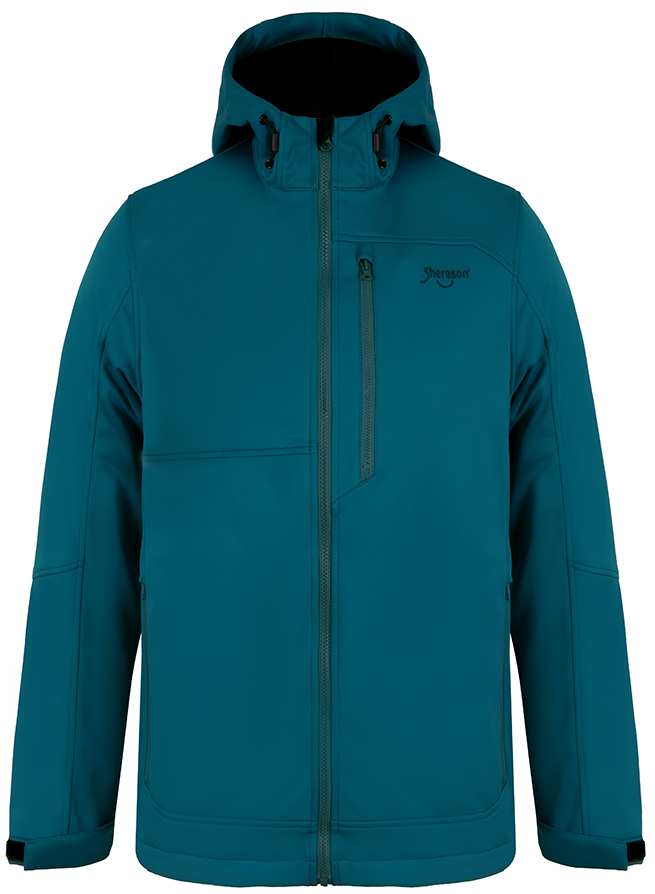
When choosing outdoor jackets, a common question arises:
"If softshells are windproof and water-repellent, why can't they be fully waterproof like hardshell jackets?"
"If softshells are windproof and water-repellent, why can't they be fully waterproof like hardshell jackets?"
Why Aren't Softshell Jackets Fully Waterproof?

When you're planning your next backcountry adventure, performance is everything. You need a jacket that stands up to howling winds and driving rain, keeping you impeccably dry. But have you ever considered that the gear protecting you can also protect the very nature you're exploring?
Beyond Waterproof: Your Jacket is a Promise to the Future.
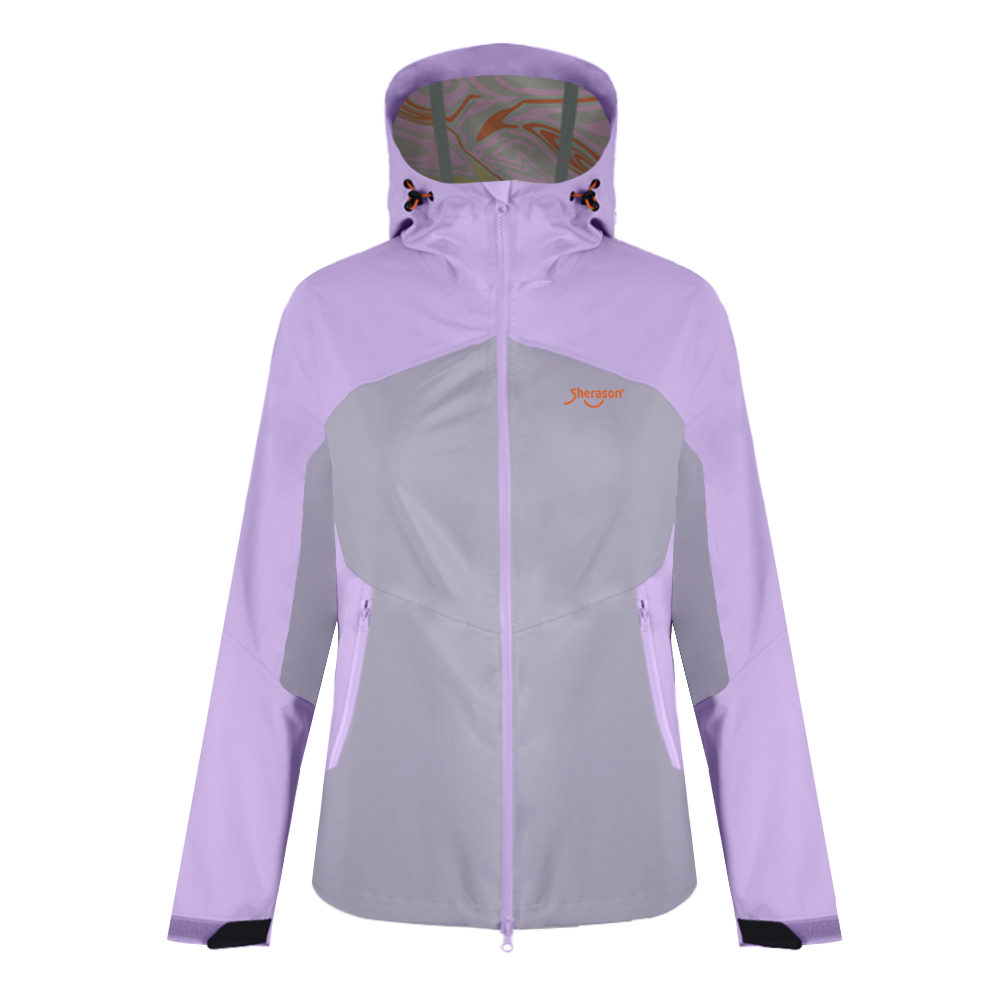
Your waterproof jacket is your essential shield against the rain, thanks to its invisible, breathable membrane. But what happens when this vital layer wears out? If you're noticing these three signs, it's time for a replacement.
Is Your Waterproof Jacket Failing? 3 Tell-Tale Signs of a Worn-Out Membrane